Atlas Swaps Its Own Battery in Under Three Minutes
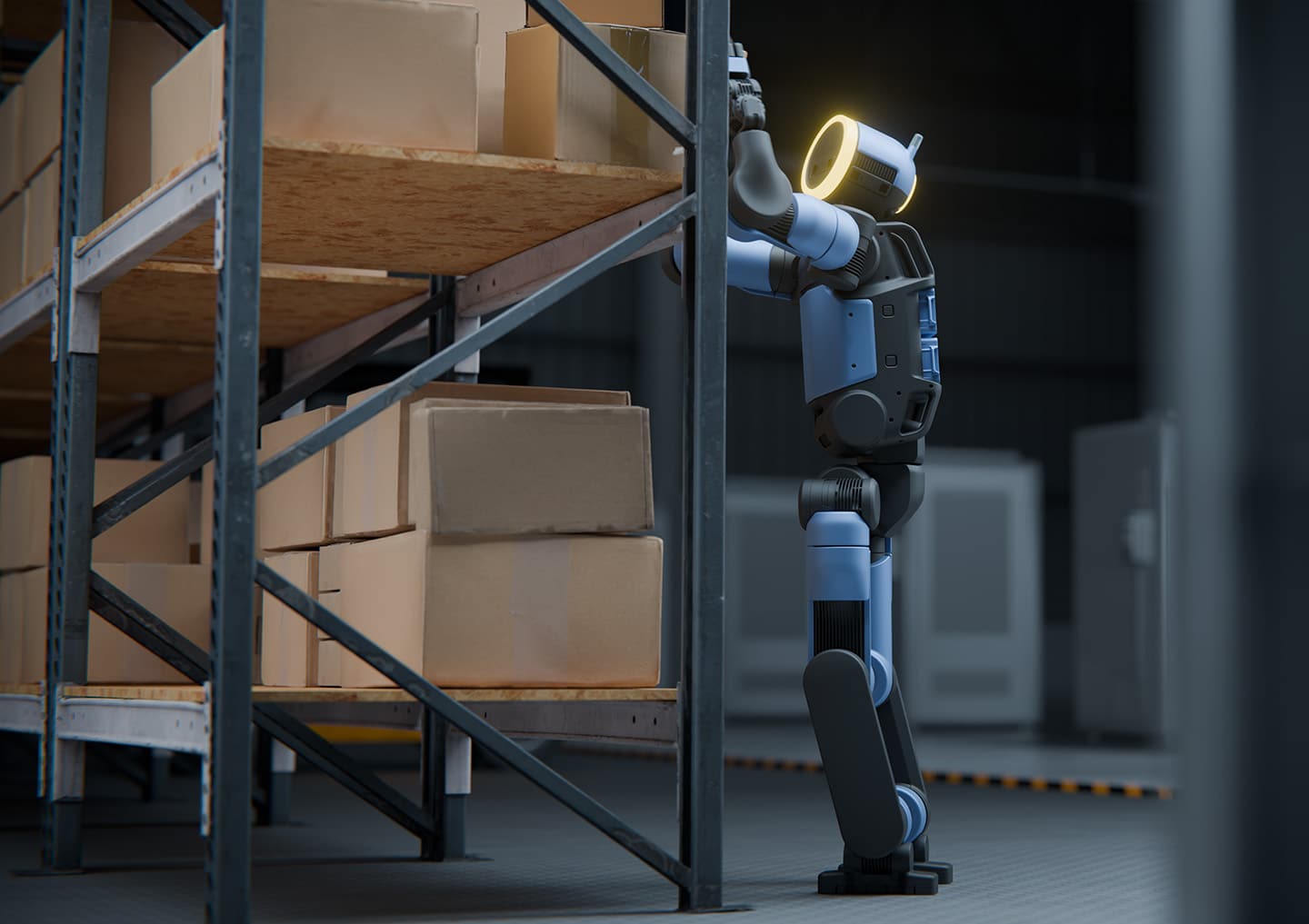
Boston Dynamics is selling continuous duty as a product feature, not a demo gag: the production Atlas humanoid can navigate to a station and swap its own battery in less than three minutes, then return to the job.
The company’s enterprise blog and product pages spell out the numbers. Interesting Engineering’s August 2026 write-up matches those claims and adds a YouTube reference for the behavior.
Power and shift math
From Enterprise Robotics, Redefined:
- ~4 hours battery life during typical use
- Autonomous battery swap in less than three minutes
- Charging hardware aims at 110 V or 220 V input so plants can avoid custom high-voltage cabinets
Interesting Engineering reports the same sub-three-minute swap, plus roughly two hours runtime under heavy lifting and about 90 minutes for a conventional recharge—why hot-swap beats sitting on a charger mid-shift.
Physical packaging (company product/blog language):
- About 1.9 m (6.2 ft) tall
- 2.3 m (7.5 ft) reach
- Repeated lifts around 30 kg (66 lb); temperature range about -20 °C to 40 °C
Why it is more than a gadget
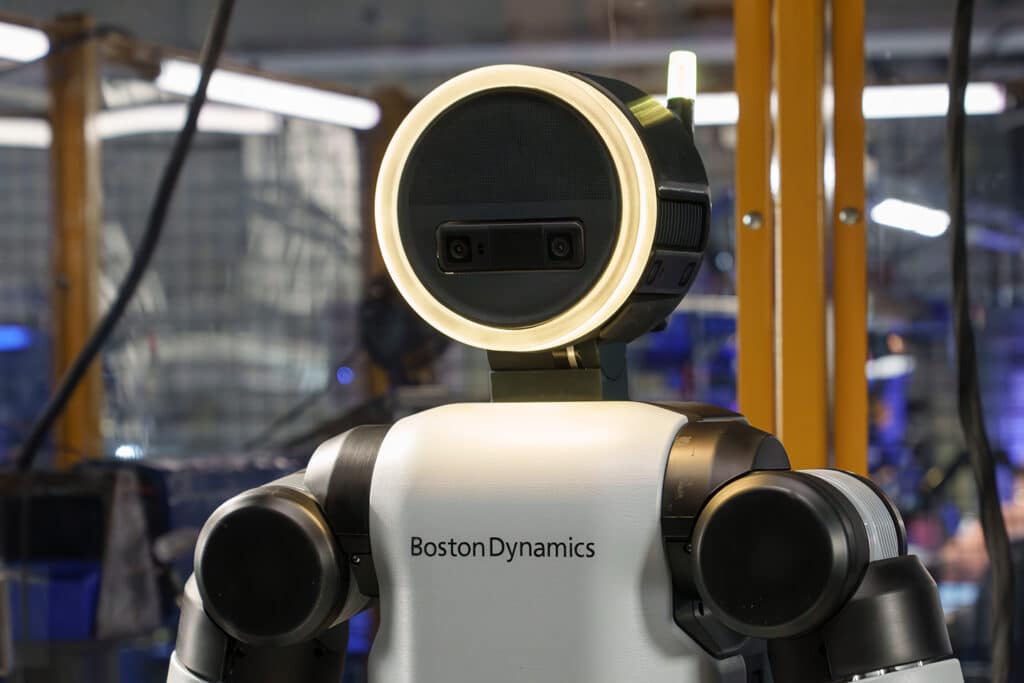
A 90-minute charge cycle kills multi-shift ROI. A three-minute swap with a spare pack keeps the machine closer to human shift coverage, which is the bar factory buyers actually run. Boston Dynamics also points at field-replaceable limbs (under five minutes per limb in their enterprise write-up), IP67 cleanability, and Hyundai as first customer with fleet shipments planned toward the Robotics Metaplant Application Center in 2026.
IE links the capability to a Boston Dynamics / YouTube clip (rrUHZKlrxms).
A Human’s Take
Four hours of work and a three-minute pack change is the kind of unit-economics detail I trust more than a parkour reel. If the dock, pack logistics, and fault handling are as boring as a forklift battery room, Atlas starts to look like shift equipment. If the swap needs a perfect station pose every time, it is still a demo with a stopwatch.