ATP Brings Anatomical Torque Assist to Upper-Limb Exoskeletons
Lower-limb exos get most of the anatomical-assist press because walking is periodic and weight-bearing. Upper limbs are messier: nonperiodic, intention-heavy, and unforgiving if torque spikes.
ATP — Anatomical Torque with Passivity-based Control — from Yu Chen, Gong Chen, and Xiang Li (arXiv:2608.05723, Aug 6, 2026) targets that gap for cable-driven compliant upper-limb exoskeletons. Affiliations include Tsinghua and Shenzhen MileBot Robotics; code is referenced as ATP_muscle_controller in the paper abstract.
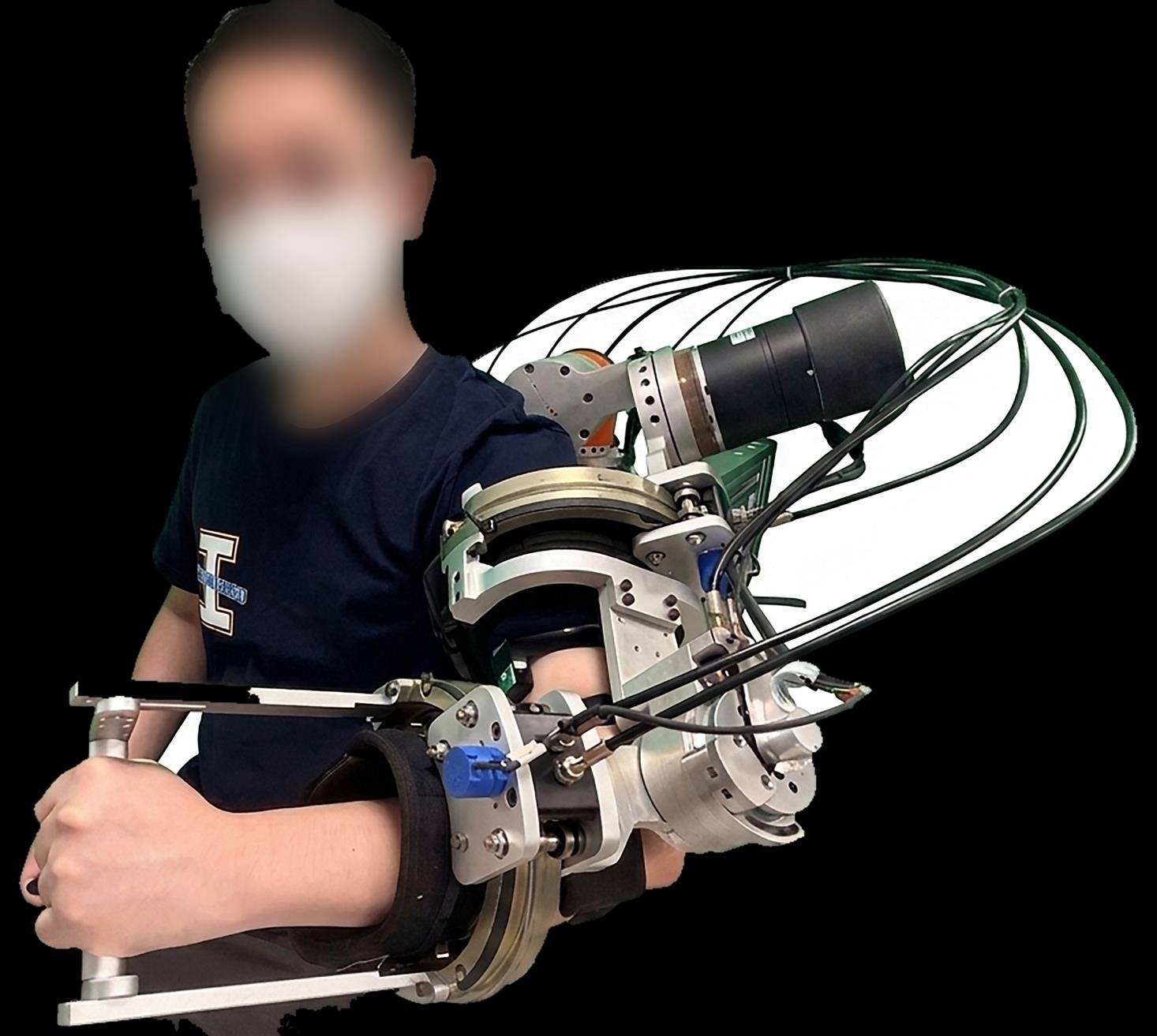
Three pieces
- Musculoskeletal sim + RL muscle controller that generalizes across upper-limb movements and emits anatomical reference torques without heavy online biomechanics.
- Online torque refinement that adapts the reference, suppresses tendon-induced spikes, and uses a learned anomaly score for safer, more comfortable assist.
- Interaction torque controller on the physical exo that does not force the arm onto a canned trajectory, with an energy tank that preserves passivity and gives theoretical torque-tracking / passivity guarantees.
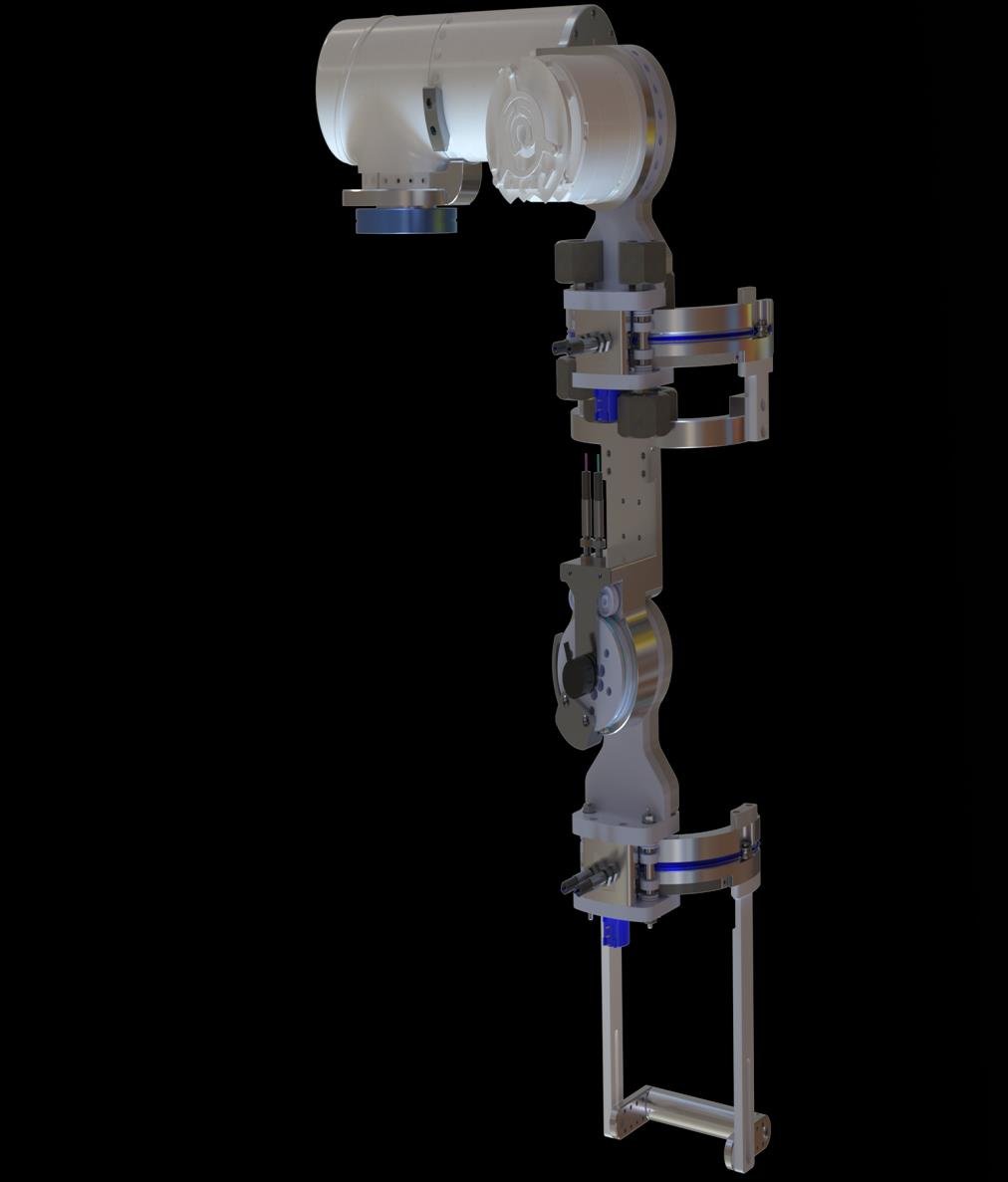
Evidence from the paper
- Simulations and real-world tests: accurate tracking on long-duration motion sequences; generalizes to real-time human movement
- Controller tracks torque while preserving passivity; resumes tracking after energy-tank replenishment
- EMG study, five participants: reduced target-muscle activity vs gravity compensation and open-loop assist
- Up to 48% reduction vs movement without the exoskeleton on a dynamic multi-joint task
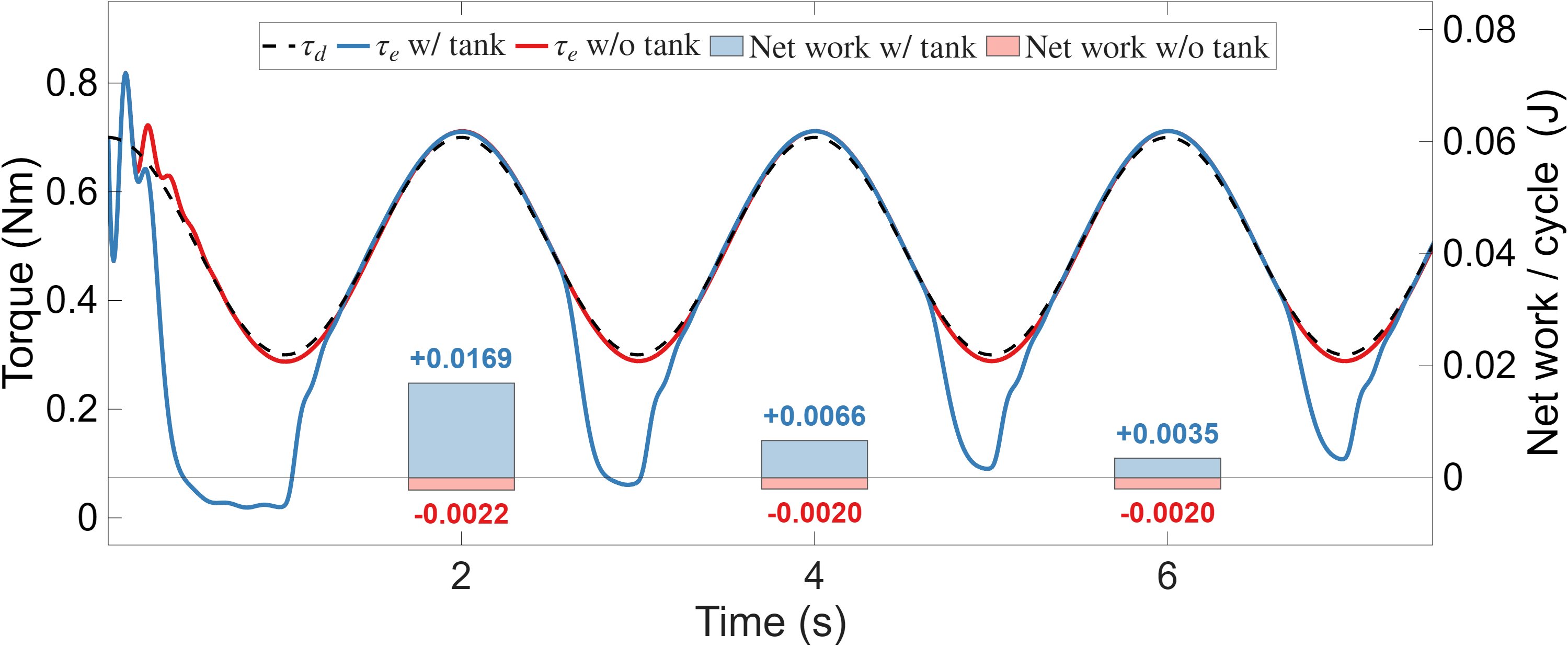
A Human’s Take
Passivity is the safety story I actually listen to on wearable hardware — “we tracked a sine wave” is not enough. The 48% EMG drop is the human receipt; I want it on more than five people and on tasks that look like factory reach-and-place, not only lab multi-joint scripts.