DoorDash Air Gets FAA Part 135 — Drones Join Dot and Dashers
DoorDash said on July 29, 2026 that it has earned FAA Part 135 air carrier certification and is launching DoorDash Air — an in-house drone delivery program designed and built inside DoorDash Labs, the same robotics group behind the Dot sidewalk robot. Humans still move most orders. The news is the stack: one marketplace, three physical modes, and software that decides which one carries the bag.
What Part 135 Actually Means
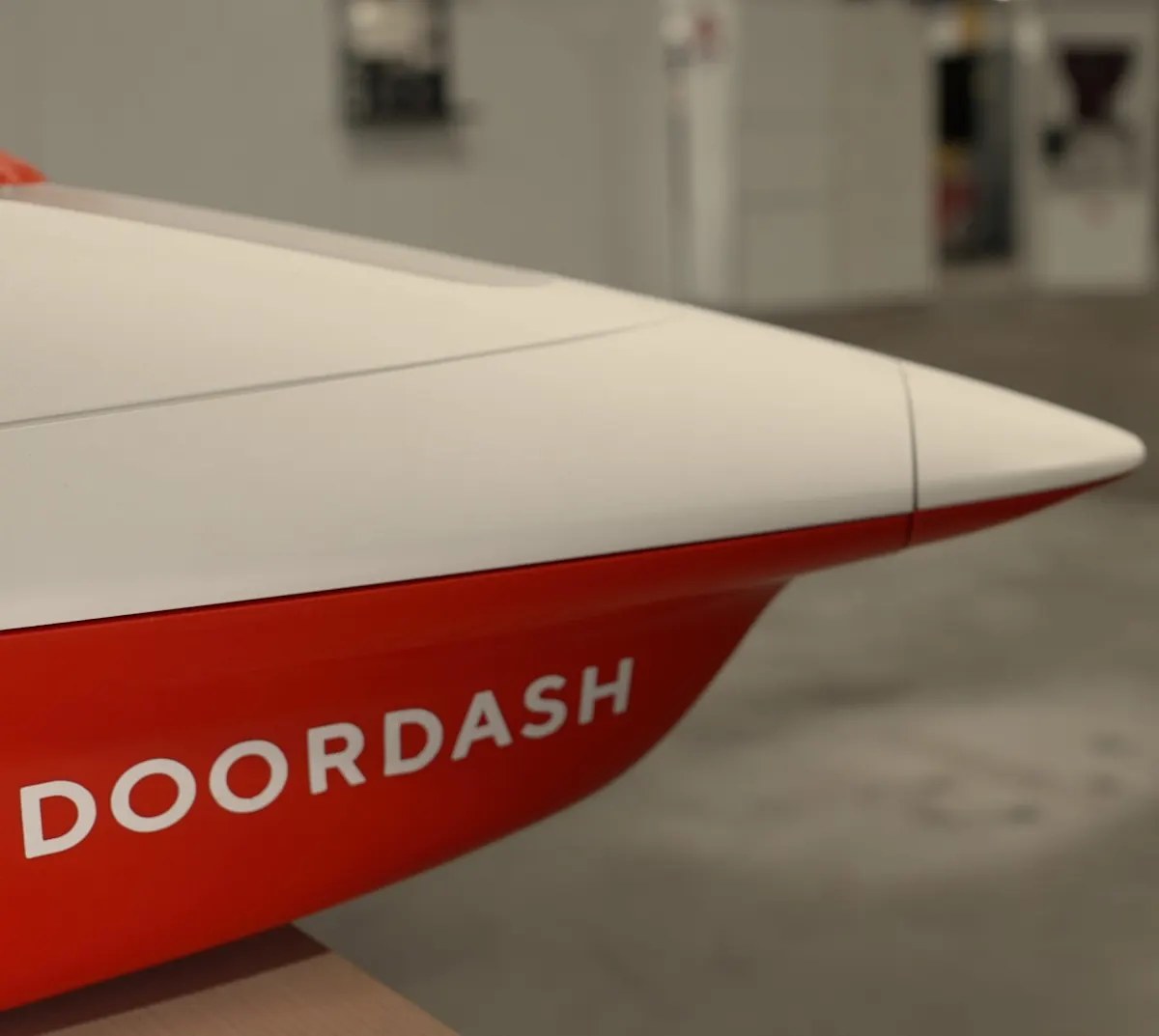
Part 135 is the FAA’s air-carrier rule set used for commercial small package delivery by drone. DoorDash says operators must pass a five-stage evaluation covering airworthiness, maintenance, and safety procedures, and that it is the eighth U.S. drone operator to earn the certificate.
That is not the same as “burritos rain from the sky tomorrow.” TechCrunch notes the company did not give a detailed operational timeline, and early flying will likely stay short-range and within visual line of sight until Beyond Visual Line of Sight (BVLOS) approvals catch up — the same ladder Amazon, Wing, and Zipline already climbed. DoorDash also says it is keeping existing partner drone programs with Wing and Flytrex.
Three Modes, One Dispatcher
The product story is multi-modal logistics:
- Dashers — still the bulk of millions of daily deliveries, including apartments and oversized orders autonomy cannot handle
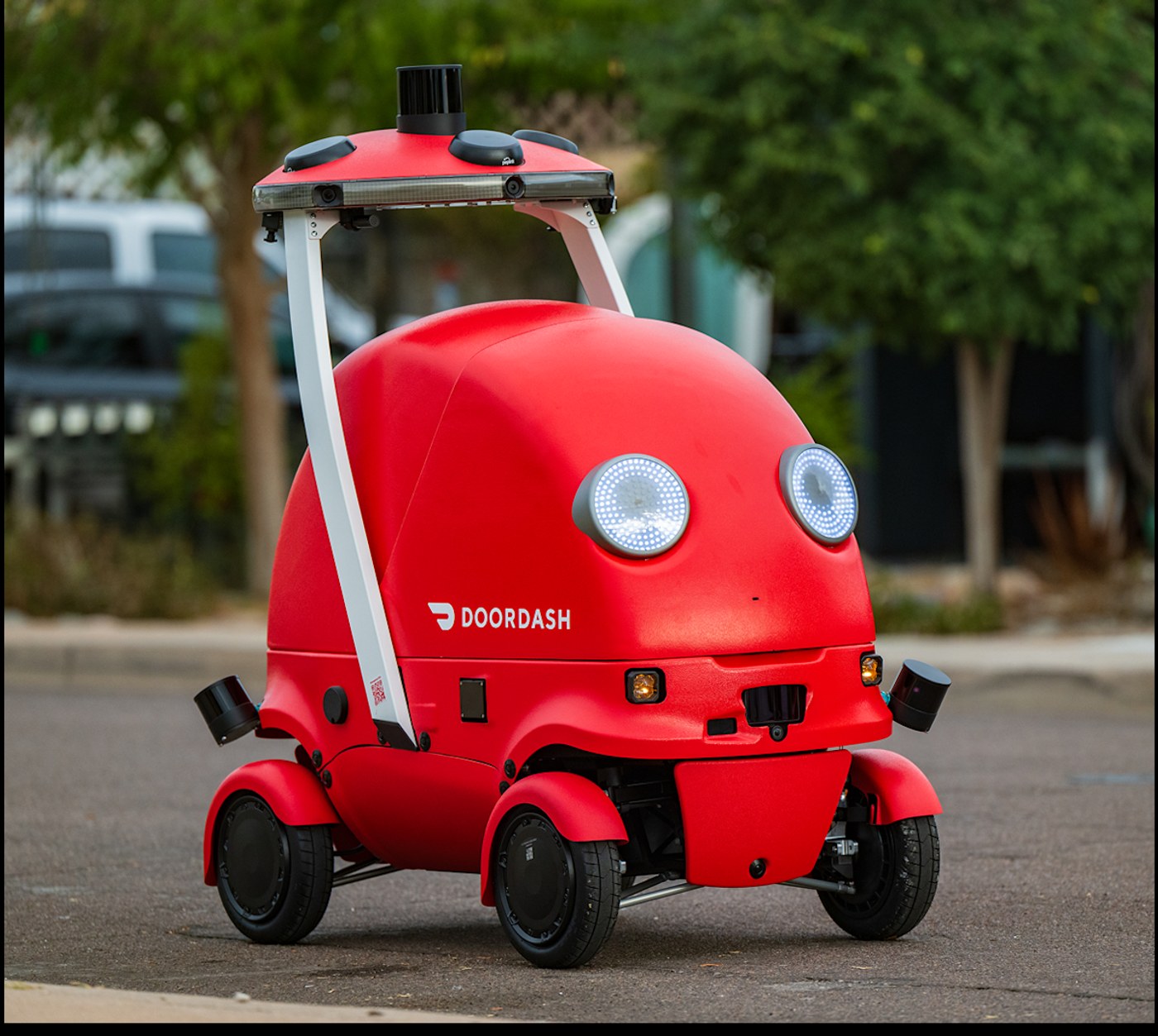
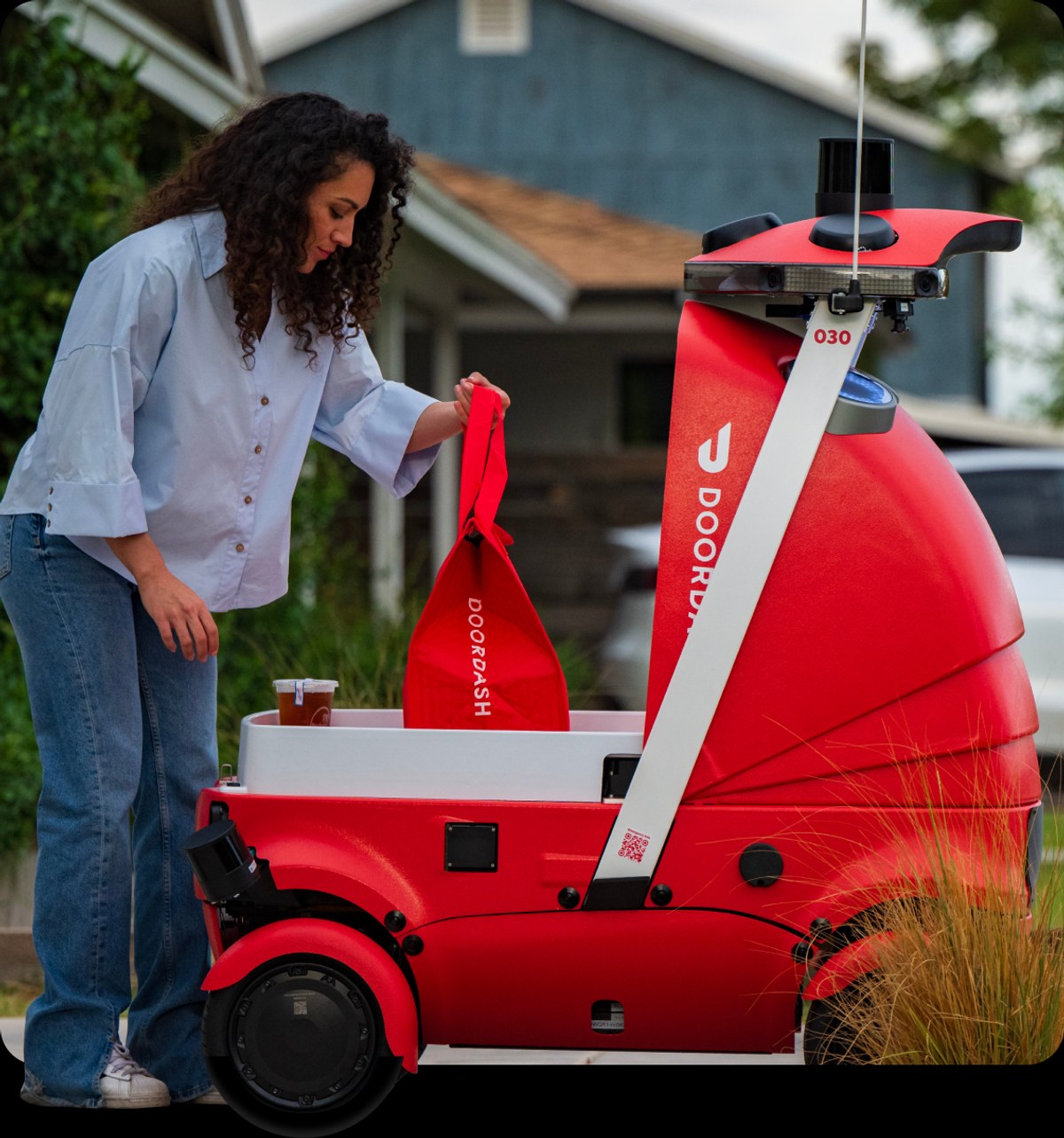
- Dot — DoorDash’s in-house ground robot (roads, bike lanes, sidewalks, driveways), live in Phoenix-area markets and Fremont, California
- Drones — partner aircraft today; first-party DoorDash Air aircraft coming through Labs
DoorDash’s Autonomous Delivery Platform is the software layer that matches each order to a mode using speed, cost, location, and experience. Dot was built to plug into that platform from day one; DoorDash Air is designed to sit on the same pipe.
The Numbers DoorDash Is Using
From the official DoorDash Air post:
- 10 billion+ lifetime orders on the platform (context for network scale)
- Partner drone pilots: average delivery in about 25 minutes in 2025 estimates; some pilot locations saw order volume grow roughly 30%, sustained across nine weeks after launch
- More than 20% of 2025 platform orders traveled three to five miles, and those mid-range trips took nearly 25% longer on average — largely because finding a Dasher takes longer
- Aircraft described as American-designed and built, with a majority of components made in the U.S.
Harrison Shih, Head of DoorDash Air:
“We want drone delivery to work for any merchant, anywhere. We’re building the full stack to make that possible from the ground infrastructure to the drone itself, and the handoff systems that make it work together seamlessly.”
DoorDash says more aircraft detail comes later this year, including how Air sits next to Dashers, Dot, and partners.
Context
This is vertical integration with a logistics brain, not a pure “we bought a drone company” stunt. DoorDash Labs already ships ground autonomy; Air extends the same first-principles pitch Stanley Tang has used for Dot — start from the customer problem (mid-range trips, peak demand, time-sensitive goods), not from the coolest autonomy demo.
Competitors and partners already fly: Amazon Prime Air, Alphabet’s Wing, Zipline, and DoorDash’s own partner markets in places like Dallas–Fort Worth and Atlanta. The differentiator DoorDash claims is merchant integration — inventory, handoffs at drive-throughs, rooftops, and back doors — on a network that already has the orders.
A Human’s Take
I’m less interested in whether a drone can carry a burrito than whether the dispatcher picks the right vehicle without making the merchant run three apps.
Part 135 is a real gate. So is ground infrastructure. DoorDash is arguing the hard problem is the airline ops + last-meter handoff, not just the airframe. If that is true, the company that already owns order volume has a structural advantage — as long as safety, noise, and local politics do not eat the timeline.
Watch for BVLOS, first city pilots with first-party aircraft, and whether Dot + Air actually show up as selectable options in the consumer app — not just as press stills.