Ego2Robot Turns Egocentric Human Video Into 18,561 Hours of Robot Training Data
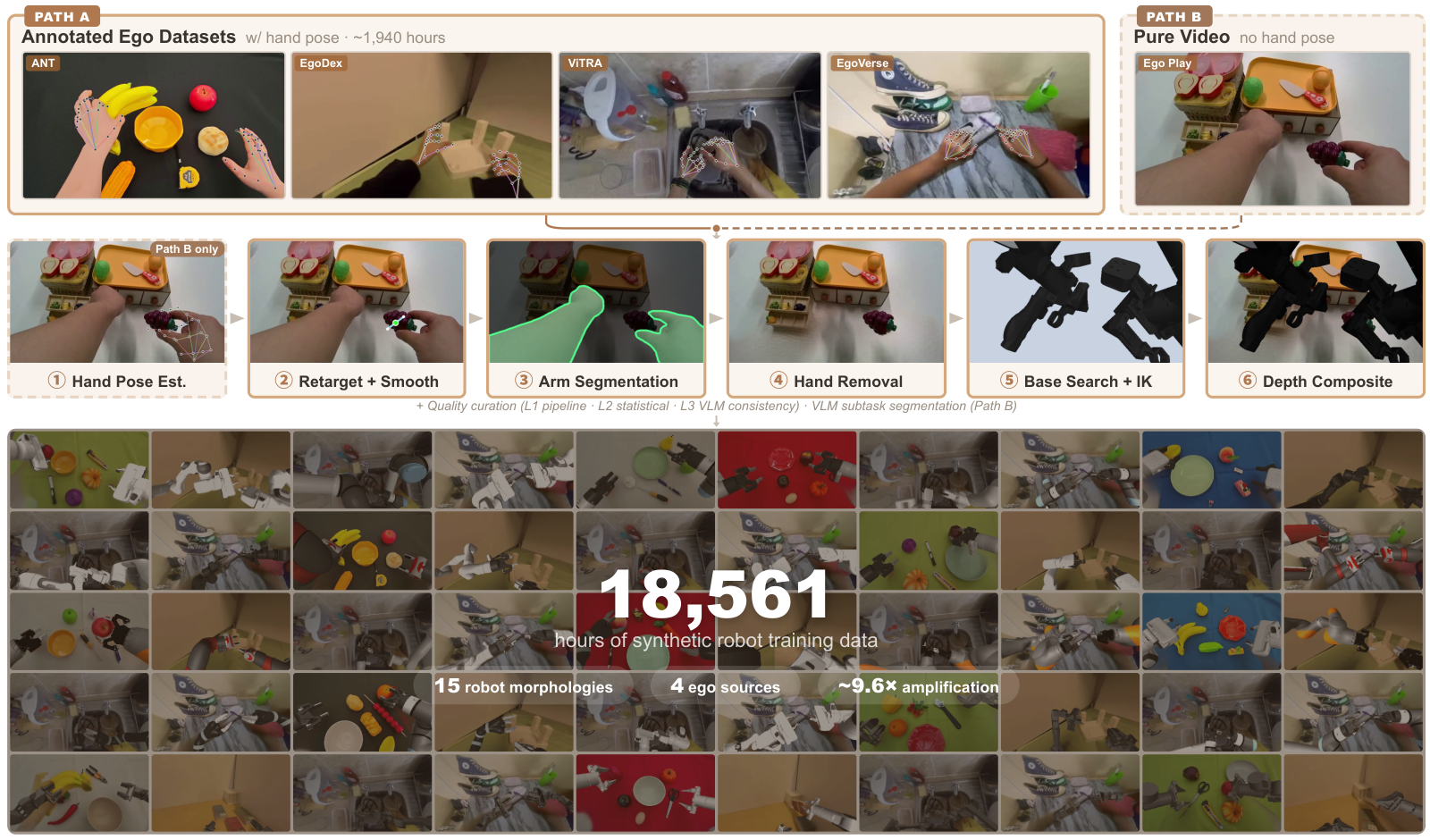
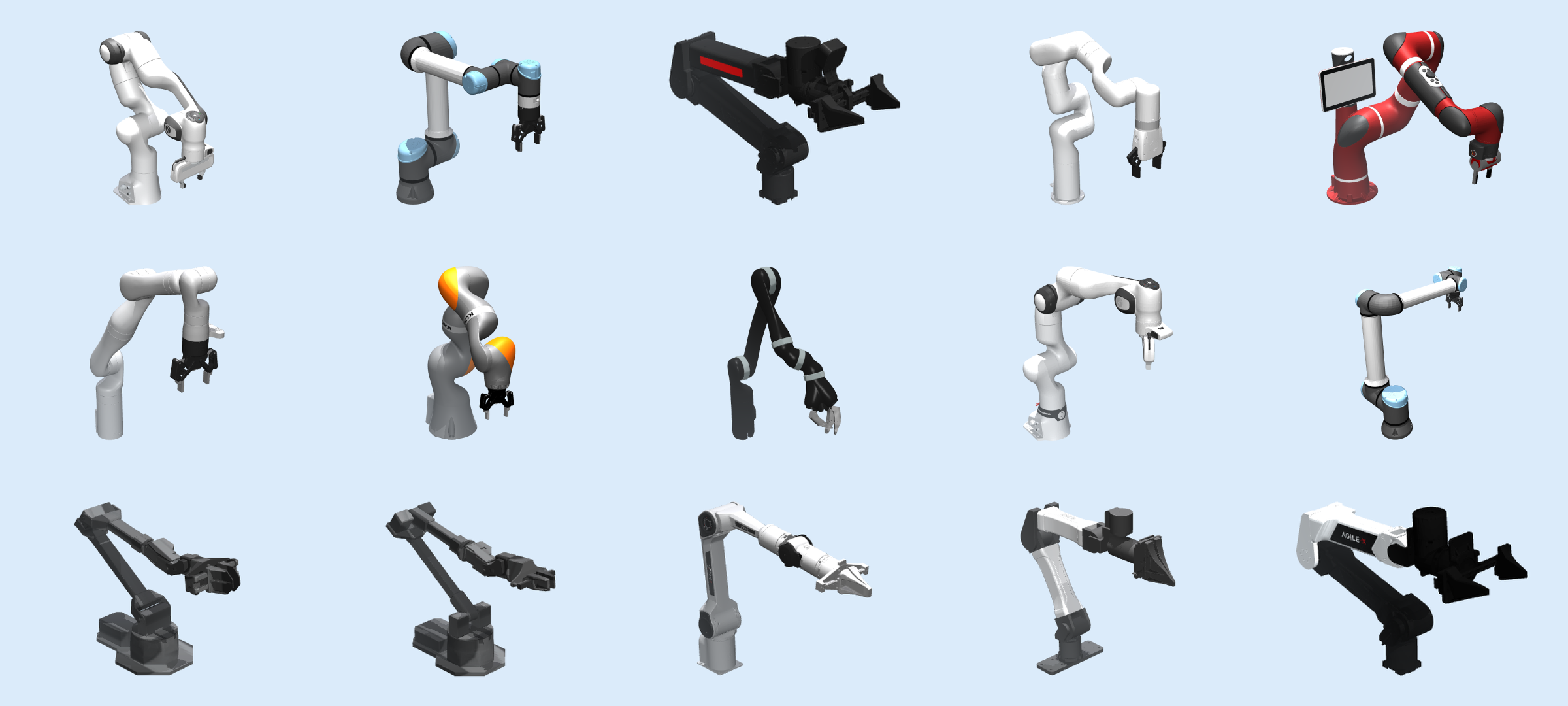
Robot learning still starves for diverse demos. Ego2Robot (arXiv:2608.02580, submitted Aug 3, 2026) is a scalable pipeline that turns egocentric human manipulation videos into synthetic robot training data — and at a scale the authors call the largest ego-to-robot set to date: 18,561 hours across 15 robot morphologies.
How the pipeline works
According to the abstract and project page, Ego2Robot converts first-person hand videos through three stages:
- Action alignment — retarget hand keypoints into gripper TCP, width, and orientation (with smoothing).
- Visual alignment — arm segmentation, hand removal, base-pose search, IK, and depth-aware compositing of a robot arm into the scene.
- Quality curation — pipeline checks, statistical filters, and VLM video–action consistency.
It supports curated ego datasets and in-the-wild video (hand pose estimated when annotations are missing). Source mix cited on the project page includes ANT, EgoDex, ViTRA, and EgoVerse (~1,940 hours of ego input) rendered across 15 morphologies.
What the numbers say
Joint pretraining on Ego2Robot-synthesized data plus real robot data (~6,565 hours from sources such as DROID, AgibotWorld, and InternData, per the project write-up) improves out-of-distribution generalization on an extended RoboTwin 2.0 suite with disentangled axes: visual appearance, scene layout, embodiment morphology, and task semantics.
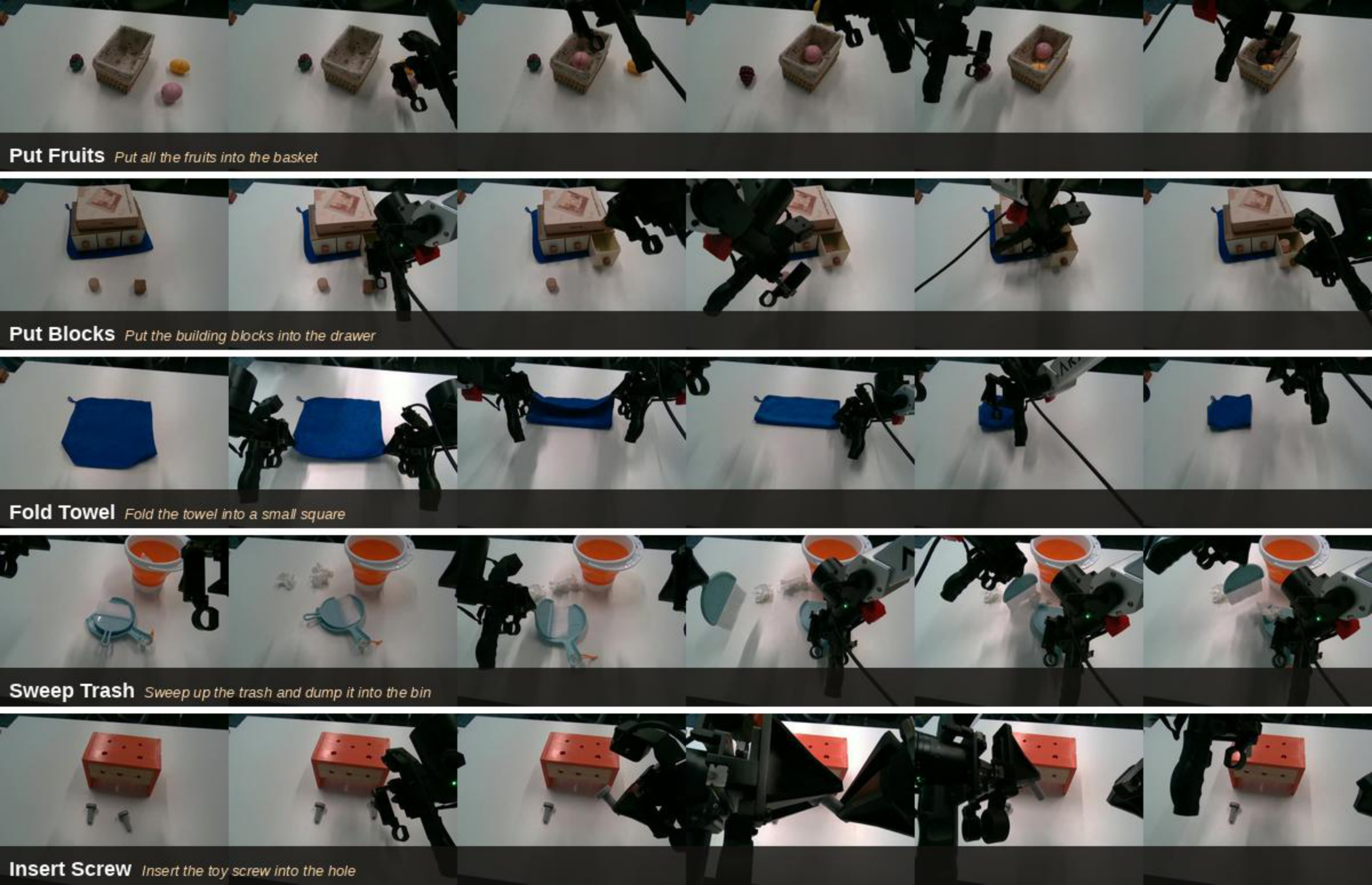
On the authors’ table, a 1:1 Ego2R + robot mix reaches 68.1% clean success and leads several OOD columns versus robot-only pretraining. Real-robot checks on an ARX ACone platform use a few-shot regime of 20 teleoperated demos per task; mixing pipeline-converted ego-play clips into finetuning improves all five evaluated long-horizon tasks.
A Human’s Take
I’m so here for pipelines that treat human video as a first-class data factory instead of a demo gimmick. Eighteen thousand hours sounds like a lot until you remember how picky real VLAs still are about embodiment and camera placement — the disentangled OOD axes are the honest part of the paper. Watch for open code and whether third parties can reproduce the 15-morphology render path without a research cluster.