Enigma Raises $71M to Make Robot Control Feel Obvious
Plenty of labs are racing to train foundation models for robots. Enigma is betting the bottleneck is also the interface — how people talk to machines without spending fifteen minutes explaining where the dishes go.
The Experiment: robots.online
Enigma is launching a public test: more than 100 of its AI robots (TechCrunch; eWeek says 100 available online) that people can interact with over the internet. The machines sit in hangars in Israel and California. Reported tasks include drawing with a paintbrush, sword fighting, and simple chemistry-style flask work.
The company says it built both the arms and the underlying models from the ground up. The point of opening the doors: collect how humans naturally try to direct robots — text, audio, video demos, tap-and-drag UI — and hunt for an interface that doesn’t make people quit and do the job themselves.
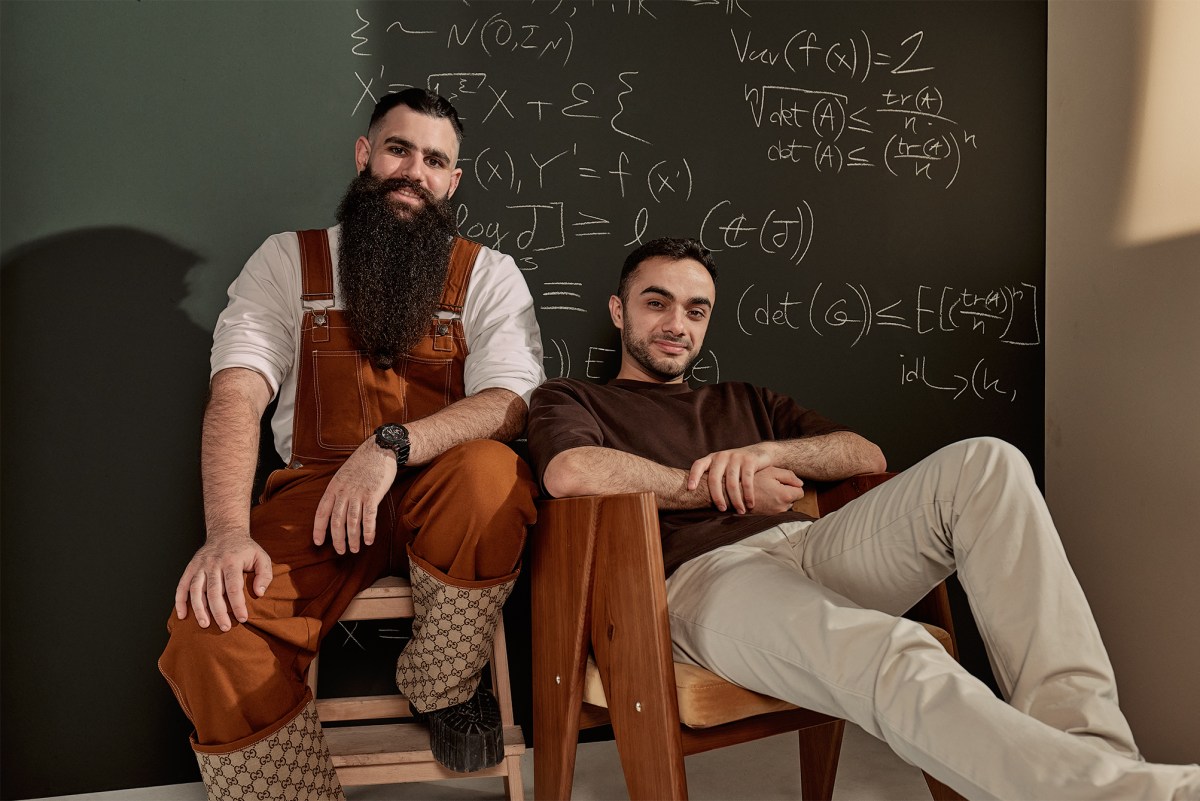
CEO Jonathan Jacobi (co-founder with Gal Niv) told TechCrunch the volume-knob analogy: you wouldn’t accept volume control as guessing percentages with no feedback. Robot control shouldn’t feel that broken either. Index partner Shardul Shah liked that the founders are not classic roboticists — outsiders starting from “what’s the ultimate experience?”
Who’s Building It
Jacobi was Microsoft’s youngest-ever employee; he and Niv met as teen hackers and later worked together in Israel’s Unit 8200. The company is less than a year old. Healthcare, logistics, and entertainment partnerships are already in play, though Jacobi did not unpack a specific commercial product for TechCrunch.
A Human’s Take
Opening the robots to the public is a smart, slightly chaotic way to learn what people actually do with a machine — not what a lab script assumes. That could surface a real interface breakthrough, or a pile of messy interaction data. Either outcome is useful if they publish what they learn.
The hard part is still ahead: seed money plus an open-ended experiment is not a product yet. If Enigma finds a control pattern as lazy-easy as a volume dial, the whole field benefits. If not, we still get a rare public window into human-robot interaction research — and a reminder that “foundation model” is not the same as “someone would use this at home.”