FailBench Asks What Happens When the Robot Failure Is Inevitable
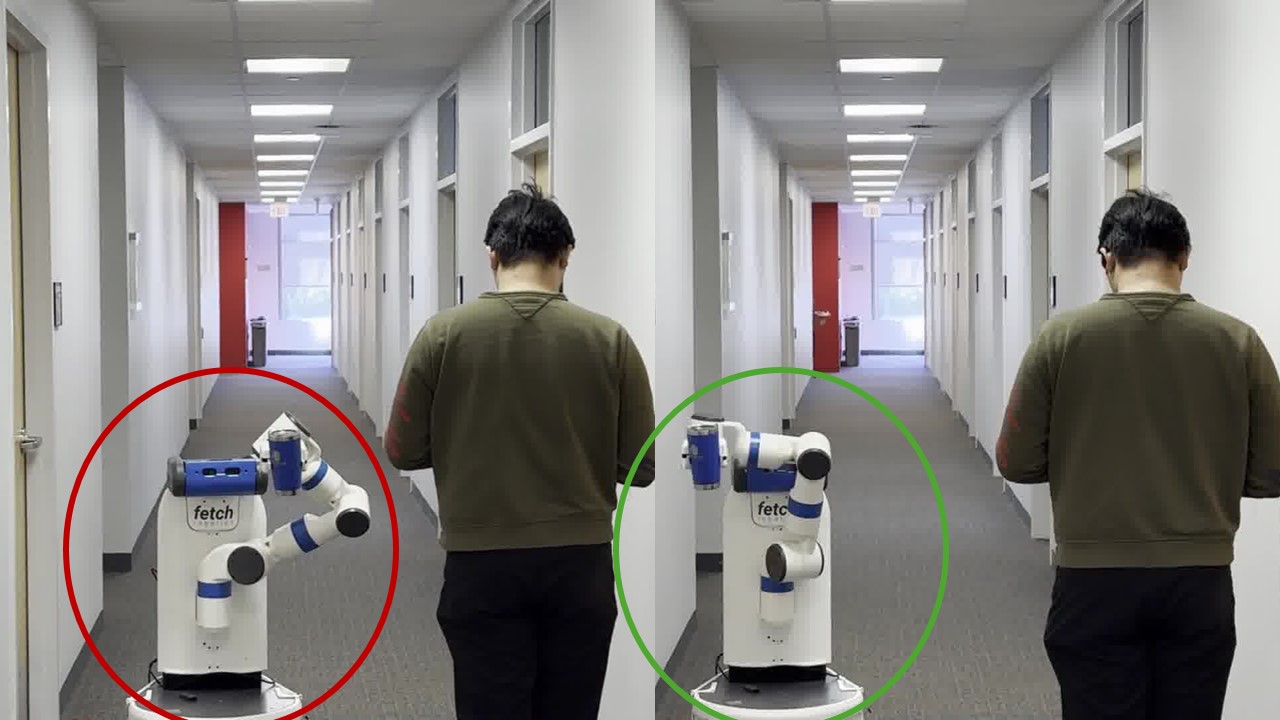
Most robot “safety” papers try to prevent failures. Failing Gracefully, accepted to ICRA 2026 and posted August 5, 2026 as arXiv:2608.05313 from George Mason University’s RobotiXX Lab, starts from the opposite premise: some crashes, freezes, and drops will still happen — so plan so the damage is smaller.
Impact = probability × severity
They split the robot into hazardous components (body, carried object, contents) and the scene into entities (people, furniture, fragile goods). At each state they estimate:
- Interaction probability under an assumed failure (geometric overlap / swept volume style analysis for drop cases)
- Severity of that robot-component / entity pair (hot soup near a human scores worse than cold water near a wall)
The planner objective adds a weighted sum of expected impact to ordinary motion cost — so “shorter path” can lose to “if I drop this, it misses the person.”
FailBench
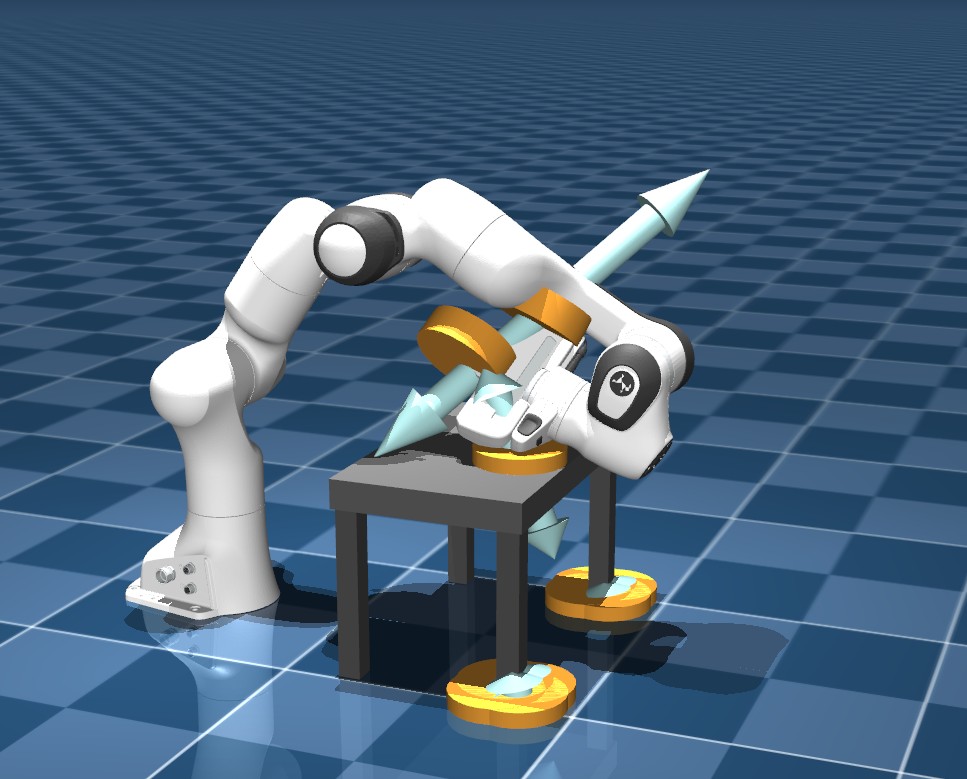
FailBench is a MuJoCo harness with household scenes, planners (A*, RRT-family, CHOMP/STOMP, DWA, etc.), and a failure injector covering actuators (shutdown, loose joint, stuck), sensors (noise, bias, dropout), grippers, and power faults with instant or gradual onset.
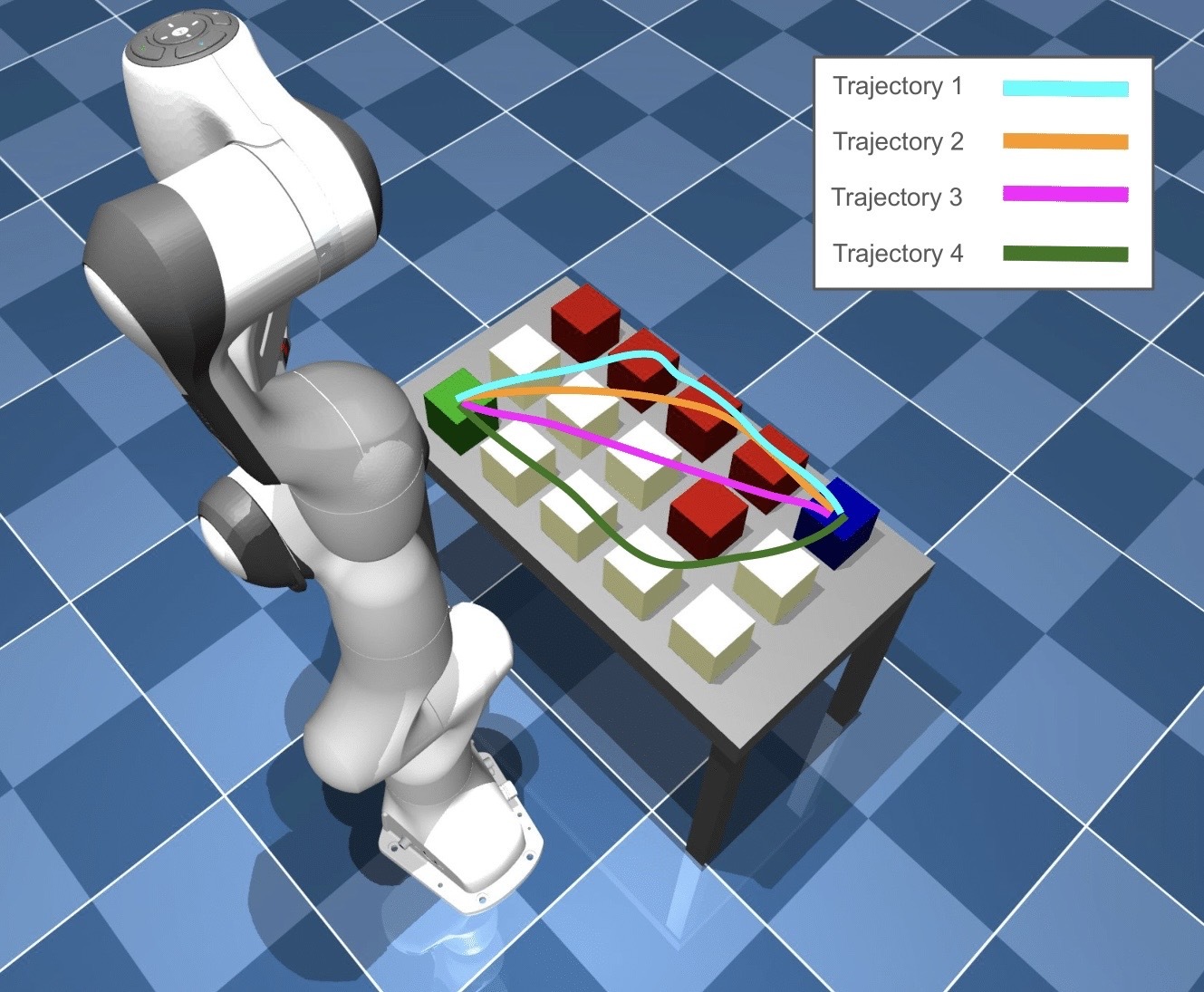
They validate the metric on four Franka pick-and-place trajectories with simulated object drops (60 rollouts each, 25% drop chance). Theoretical safety cost ranks do not always match observed contact cost — trajectory 2 is efficient on paper but harsher in sim — which is exactly why they want a public failure bench instead of vibes.
A Human’s Take
Home robots will not be certified on “never fail.” They will be judged on how ugly the failure looks. Scoring drop geometry against hot liquid and pets is the right product question. The open work is automatic severity labels (they flag VLMs) and wiring this cost into a planner that still finishes dinner before the battery dies.