FCC Puts Foreign Humanoids and Robot Dogs on the Covered List
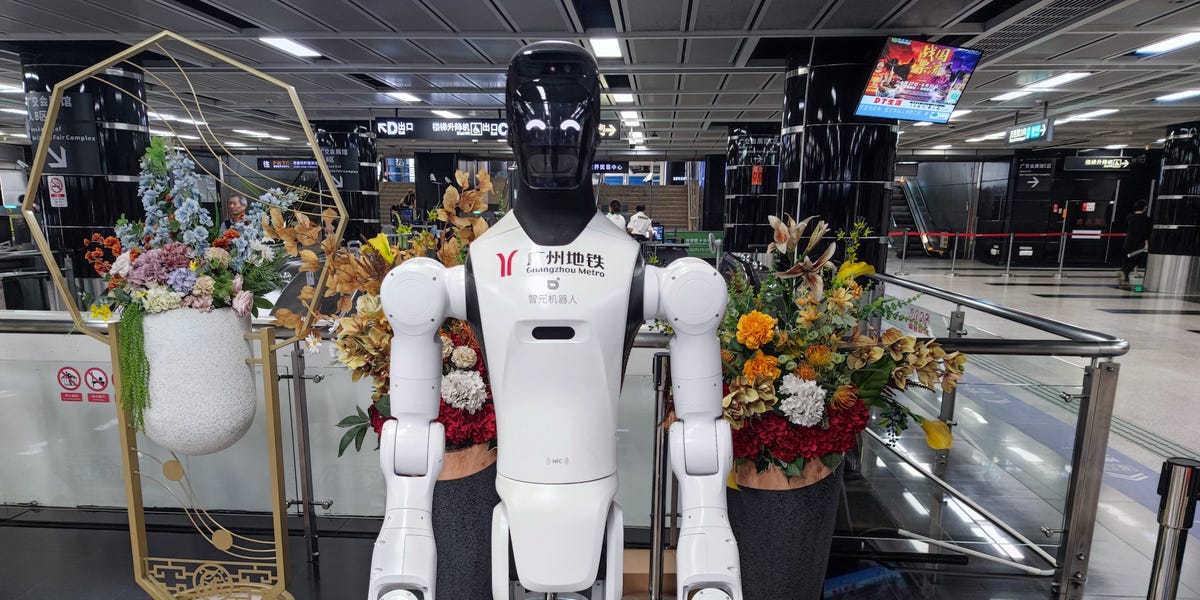
On July 28, 2026, the Federal Communications Commission updated its Covered List to include foreign-produced advanced robotic devices — defined in the agency’s fact sheet as mobile robots such as humanoids and quadrupeds — and, separately, foreign-produced connected power inverters. New models in those categories are generally blocked from the FCC equipment authorization required to import, market, or sell most wireless-capable devices in the United States.
That is not a press-conference slogan. It is the same regulatory pipe previously used for named telecom gear, and more recently for categories such as foreign-produced routers and certain uncrewed aircraft. For the humanoid beat, it is a structural change in who can put a new robot on a U.S. shipping dock.
What the FCC Actually Did
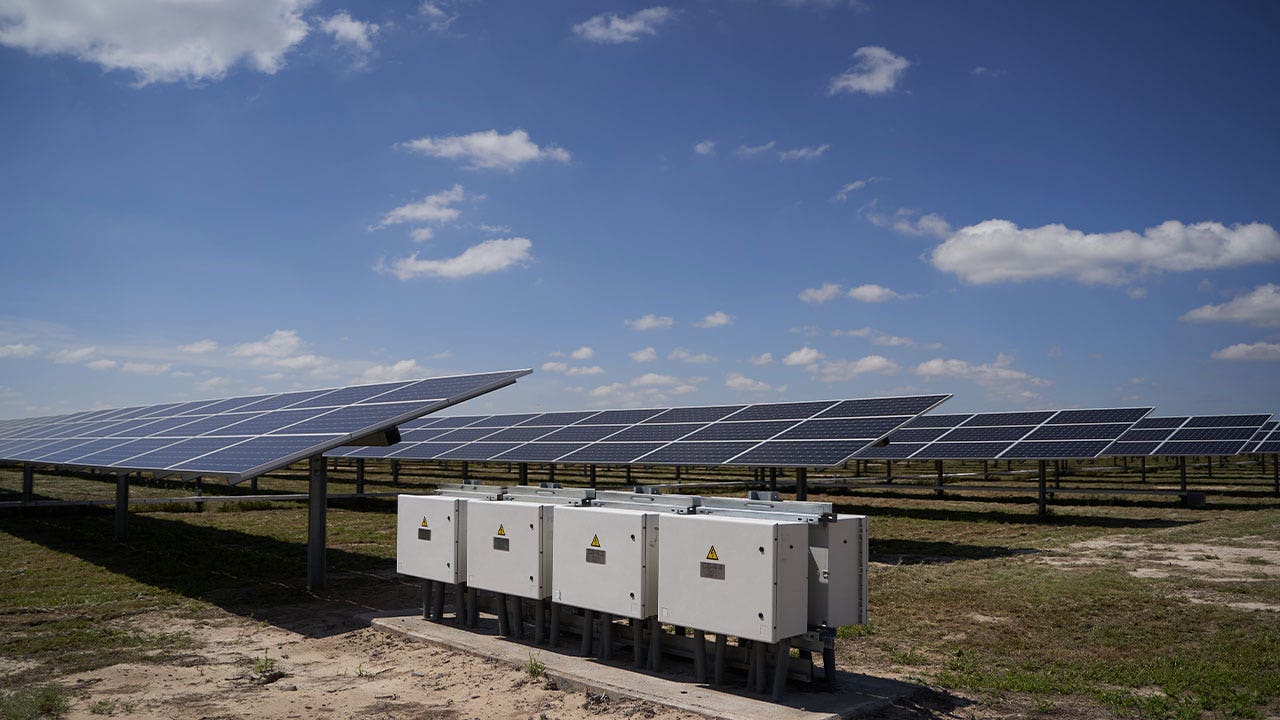
The Public Safety and Homeland Security Bureau’s Covered List now carries a July 28, 2026 entry for foreign-produced advanced robotic devices, with an exception path for devices granted Conditional Approval by the Department of War (DoW). A parallel July 28 entry covers foreign-produced power inverters, with Conditional Approval involving DoW or DHS.
The FCC’s own fact sheet (news release DOC-423682) is explicit about scope:
- New models seeking authorization are in the crosshairs. Prior authorized models are not automatically yanked from the market by this update.
- Devices consumers already own are not banned from continued use.
- The action does not affect purchase or use by the federal government under the fact sheet’s “what does this mean” section.
- Categories are framed by where products are produced, not a single company name on the list row — same pattern as recent foreign-router and UAS category entries.
National security agencies, via a White House-convened interagency body, determined that foreign-made advanced robotic devices present unacceptable risks, including supply-chain vulnerability and cybersecurity risk to critical infrastructure. On robots specifically, the determination language published by the FCC states that networked capabilities create attack vectors that can manipulate data and physical operation, and that advanced robotic devices “collect data that could be leveraged by malign actors to surveil Americans, enhance the capabilities of foreign intelligence services, or to remotely commandeer the robots.”
FCC Chairman Brendan Carr welcomed the Executive Branch determinations and said the agency is “acting in lock step with our national security agencies” on critical supply chains.
China Is the Commercial Center of Gravity — Official Text Is Broader
Reuters first framed the politics in blunt terms: the Trump administration unveiling bans that target Chinese robot and inverter imports to protect the U.S. AI buildout and push onshoring. Reuters also reported the Chinese embassy in Washington urging the U.S. to “stop smearing Chinese companies,” with Beijing saying it will “take all necessary measures” if its interests are harmed.
Reuters named Unitree as a firm expected to be hit — citing Counterpoint Research for roughly a fifth of global humanoid market share — and noted Unitree’s recent addition to a Pentagon list of alleged Chinese military-backed companies. Unitree, Sungrow, and Huawei did not immediately respond to Reuters’ requests for comment, the wire said.
Read the FCC paper carefully, though: the Covered List line is foreign-produced advanced robotic devices, with a Conditional Approval escape hatch — not a one-company stamp that only says “Unitree.” Reuters and other outlets also reported that non-Chinese suppliers may be carved out in practice, as with recent drone and router actions. That is the dual reality buyers will live in: category rule + exemption politics.
Business Insider, citing the FCC public statement and National Security Determinations, quotes the same robot-surveillance language and notes the White House interagency panel process behind the determinations. House Select Committee on China chair John Moolenaar (R-MI) applauded the direction and has pushed related legislation.
How This Connects to the GUARD Act Track
In June 2026, Moolenaar, Jay Obernolte (R-CA), and Jennifer McClellan (D-VA) introduced the bipartisan Guarding the U.S. Against Adversarial Robotics Dominance (GUARD) Act, which would route adversary humanoid and quadruped robots through national-security review and onto the FCC Covered List when risks are found — with automatic listing if review stalls past a year.
Agility Robotics CEO Peggy Johnson endorsed that bill on introduction:
“Agility welcomes the introduction of the GUARD Act to address the national security, safety, and economic concerns posed by Chinese-made humanoid robots… This legislation sends an important market signal as U.S. robotics companies continue investing in resilient supply chains, domestic manufacturing capabilities, and trusted technologies.”
Tuesday’s FCC update is not the GUARD Act becoming law. It is the executive/agency path delivering a Covered List outcome for new foreign-produced advanced robots first. Congress can still codify, expand, or reshape the review process — but importers and labs already have a live authorization problem for new SKUs.
What Changes on the Floor
If you run a U.S. lab, warehouse pilot, or integrator that was about to buy the next Chinese humanoid or robot-dog SKU: assume new models need a different authorization path — Conditional Approval or a non-covered supply chain — until counsel says otherwise. Existing authorized units are not the same as “import the next generation next quarter.”
If you are a U.S. or allied OEM with domestic (or Conditional Approval-eligible) production: the market signal is obvious. Policy just raised the relative value of trusted BOM, domestic assembly, and boring security hygiene — sensors, radios, update pipelines, and who holds the keys.
If you care about cost curves: Chinese volume and price pressure do not vanish globally. They get split markets. Dual stacks, dual spares, dual software update stories. That is expensive and slow — and sometimes intentional.
A Human’s Take
I am not here to wave a flag. I am here for the constraint.
A humanoid is a networked sensor platform that walks into other people’s buildings. Treating radios, cameras, and remote update paths as “just features” was always a product fantasy. The FCC’s language about commandeering and data collection is the security version of a problem operators already know in plain English: who can reach the machine when it is on your floor?
What I will watch next is not the cable-news framing. It is whether Conditional Approval becomes a real, technical gate or a paperwork lottery; whether new U.S. and allied units actually clear shifts at competitive cost; and whether labs that standardized on cheap imported platforms can retool without freezing research for a year. Policy can close a door. It cannot ship a tote.
Sources
- FCC — Covered List (foreign-produced advanced robotic devices & power inverters, July 28, 2026)
- FCC — News release: Adds foreign-produced power inverters and robots to Covered List
- FCC — Fact sheet / release text (DOC-423682)
- Reuters — Trump administration bans new Chinese humanoid robots, protect US AI buildout
- Business Insider — Banned imports of new Chinese humanoid robots and power inverters
- Fox Business — FCC blocks new foreign-made power inverters and advanced robots
- Nextgov — FCC blocks approval of new foreign-made robots, power inverters
- House Select Committee on the CCP — GUARD Act introduction (June 3, 2026)