Foundation’s Tendon-Driven Hand Catches a Baseball Mid-Flight
San Francisco–based Foundation Robotics posted a demo of its latest tendon-driven hand cleanly catching a baseball in mid-air — a timing-and-grip stunt that showcases hardware more than open-field autonomy. Interesting Engineering covered the clip and the design notes behind it.
What’s different about the hand
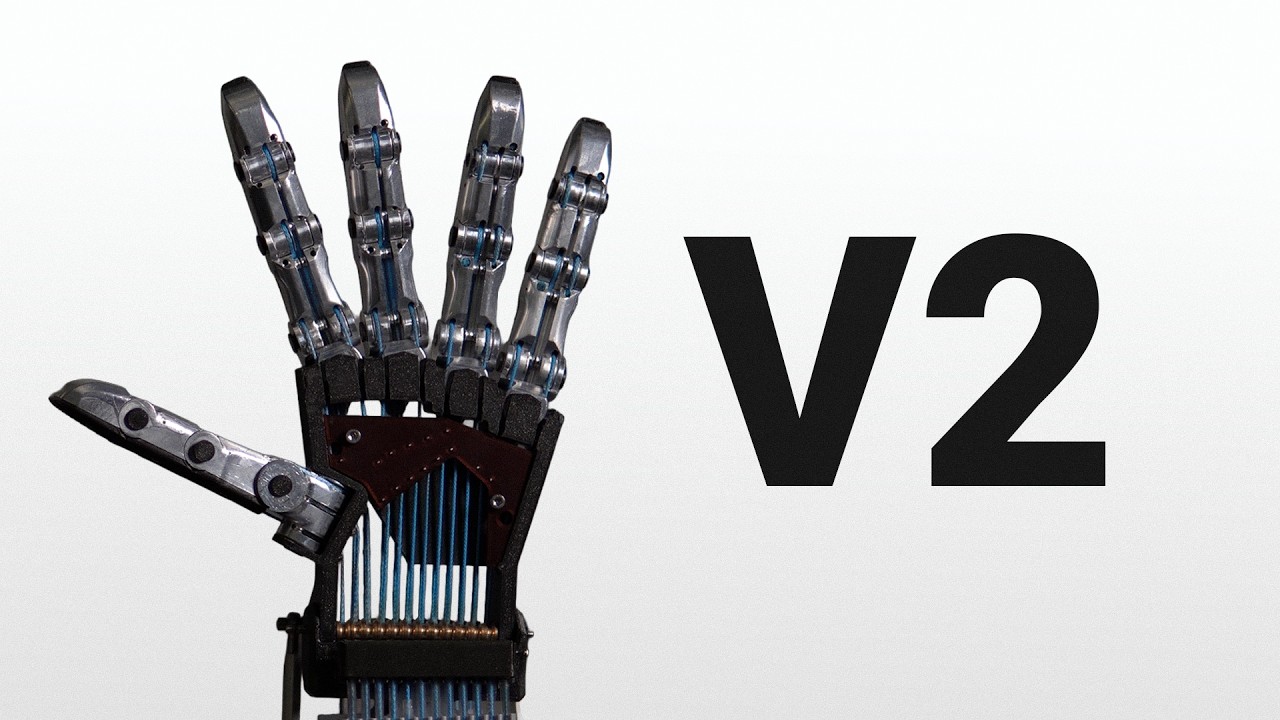
Motors sit in the forearm, not the fingers. Flexible tendons route flexion and extension to the joints, keeping the digits slim while still delivering fast close. IE reports a side-to-side finger mechanism so the hand can cup spheres or shift into a pinch without swapping end-effectors.
State estimation is hybrid: software predicts finger pose from motor rotation plus a geometric tendon model, while tunnel magnetoresistance (TMR) joint sensors refine angles at sub-degree precision and provide redundancy if a sensor drops out. Low-friction tendon routing is called out as critical so commanded motion matches actual closure before the ball rebounds.
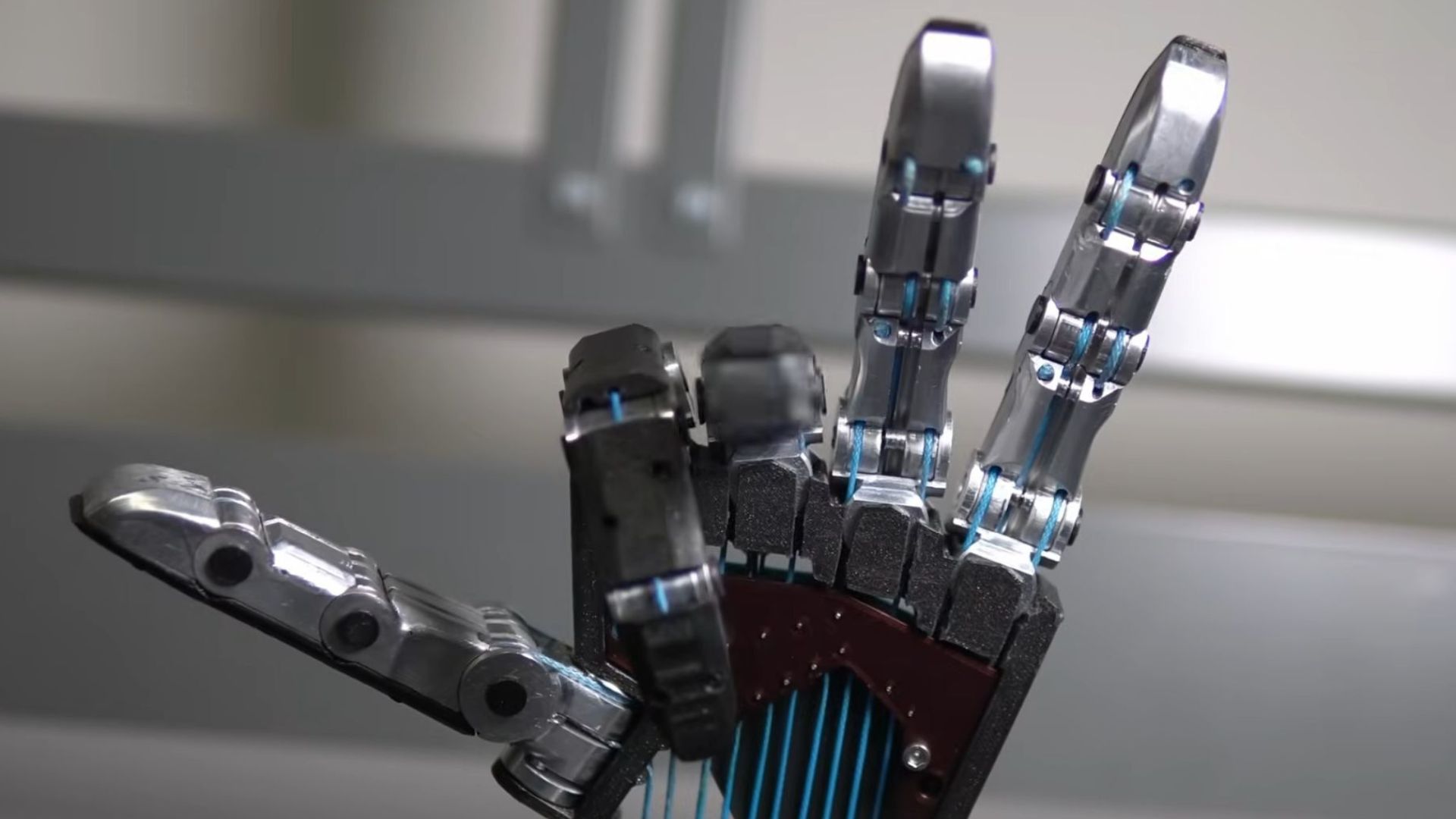
The company positions the hand for its Phantom humanoid industrial platform — a step up from earlier gripper-style end-effectors toward independently actuated fingers. IE notes the throw in the demo is planned in advance; the value of the clip is mechanical bandwidth and grip adaptation, not outdoor baseball AI.
A Human’s Take
Catching a ball is a great stress test for tendon latency and contact compliance. I’m not updating my warehouse automation spreadsheet based on one planned throw — but independently actuated, sensor-redundant hands are exactly the hardware layer industrial humanoids keep underspecifying. Show me irregular parts on a moving line next.