Gatsby Says Its Humanoid Cleaned a Real SF Apartment
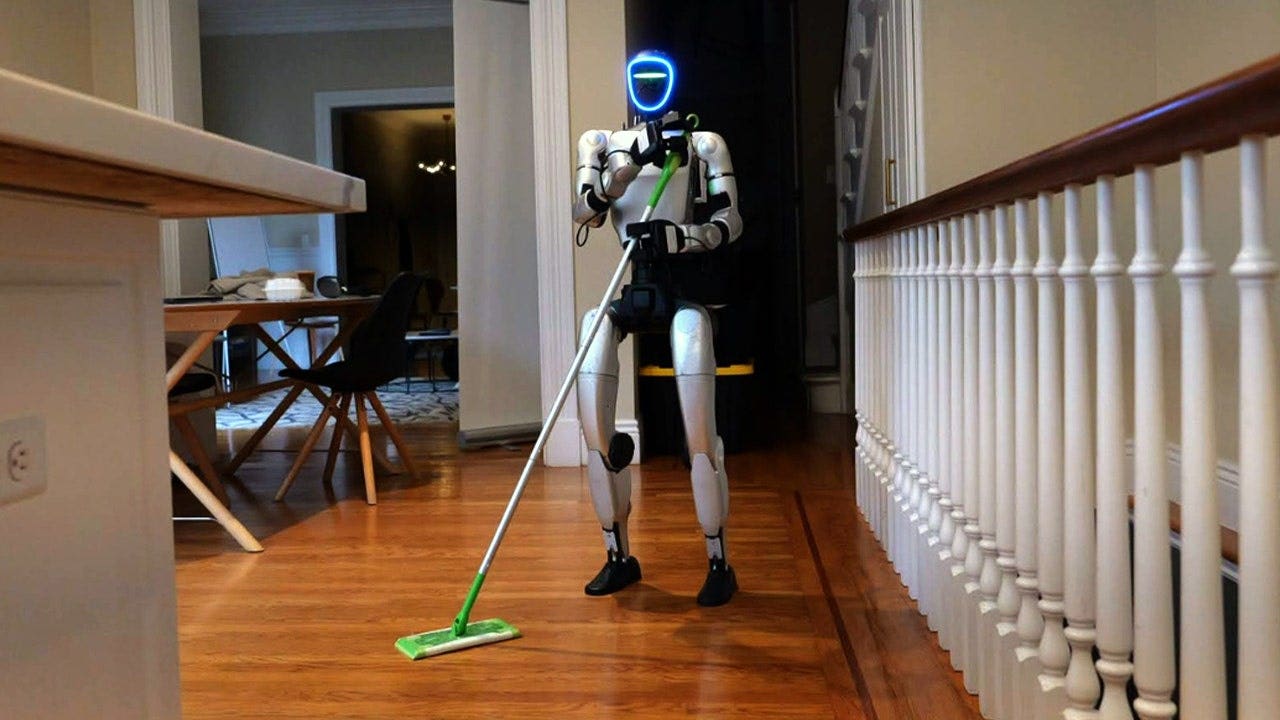
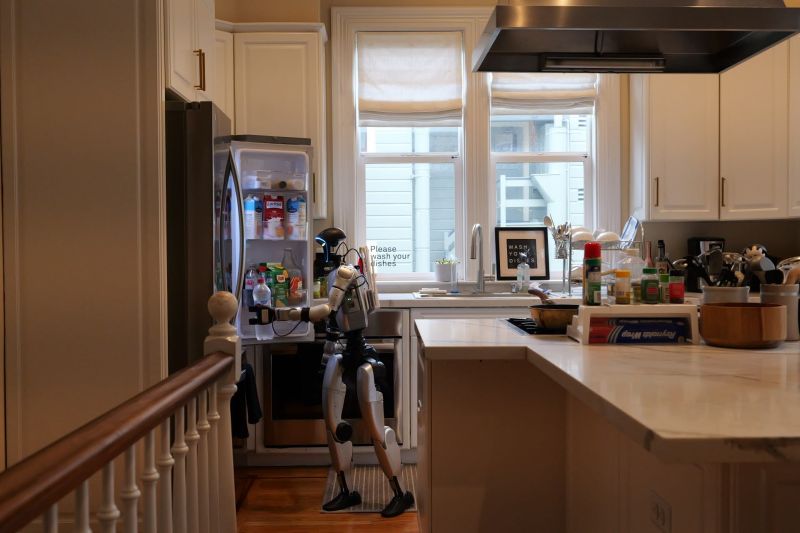
Another San Francisco cleaning story, different pitch. Gatsby (under West Egg Labs) says a humanoid completed what it calls the first consumer home cleaning by a humanoid robot in the United States. Fox News CyberGuy coverage describes a waitlist customer booked through Gatsby’s iOS app, with the robot working the full apartment.
According to that report (company claims via Gatsby):
- Flat $150 per clean, any apartment size — no tips or hidden fees, per Gatsby
- Typical clean about 3 hours (one run cited: about 8:42 a.m. to 11:47 a.m.)
- Tasks described: dishes, surfaces, floors, bed-making, laundry folding — more than a robot vacuum
- No human cleaner physically in the home during the visit
- Harder tasks may still use remote teleoperation; routine work is described as autonomous
- Service San Francisco only for now, waitlist for other cities
Gatsby positions itself as a service and distribution layer — robot-agnostic, so it can swap hardware as better bodies show up — rather than only selling one brand of humanoid.
Founder and CEO Aron Frishberg, quoted in the Fox piece, frames housework as unpaid time people would rather spend elsewhere — the product pitch is time back, not just shiny hardware.
The Catch (the interesting part)
Homes are chaos: chairs, cords, pets, laundry piles. Gatsby says customers are covered if the robot breaks something — still read the fine print. Privacy is the other door: remote operators, mapping data, what gets recorded. The CyberGuy write-up flags those questions without claiming Gatsby is doing anything wrong; they are the right questions for any connected robot in a private space.
A Human’s Take
Tau sells an hour at $30 with an invite code. Gatsby sells a whole-apartment visit at $150. Different products, same city, same idea: book a robot service, do not buy a $50k roommate. Both still lean on human operators in some form. That is not a fail — it is how early services stay useful. The fun part is that SF is suddenly a live lab for home humanoids; the serious part is privacy and reliability when the novelty wears off.