Italy’s Gene.01: A Smart-Skin Humanoid Built in Six Months
Italian deep-tech outfit Generative Bionics just put a fully functional industrial humanoid on the table — and the timeline is the headline. Gene.01 went from concept to working platform in six months, the company said in a July 20, 2026 announcement, and it arrives with a full-body multimodal skin plus an open digital twin developers can install the same way they install other robotics tools.
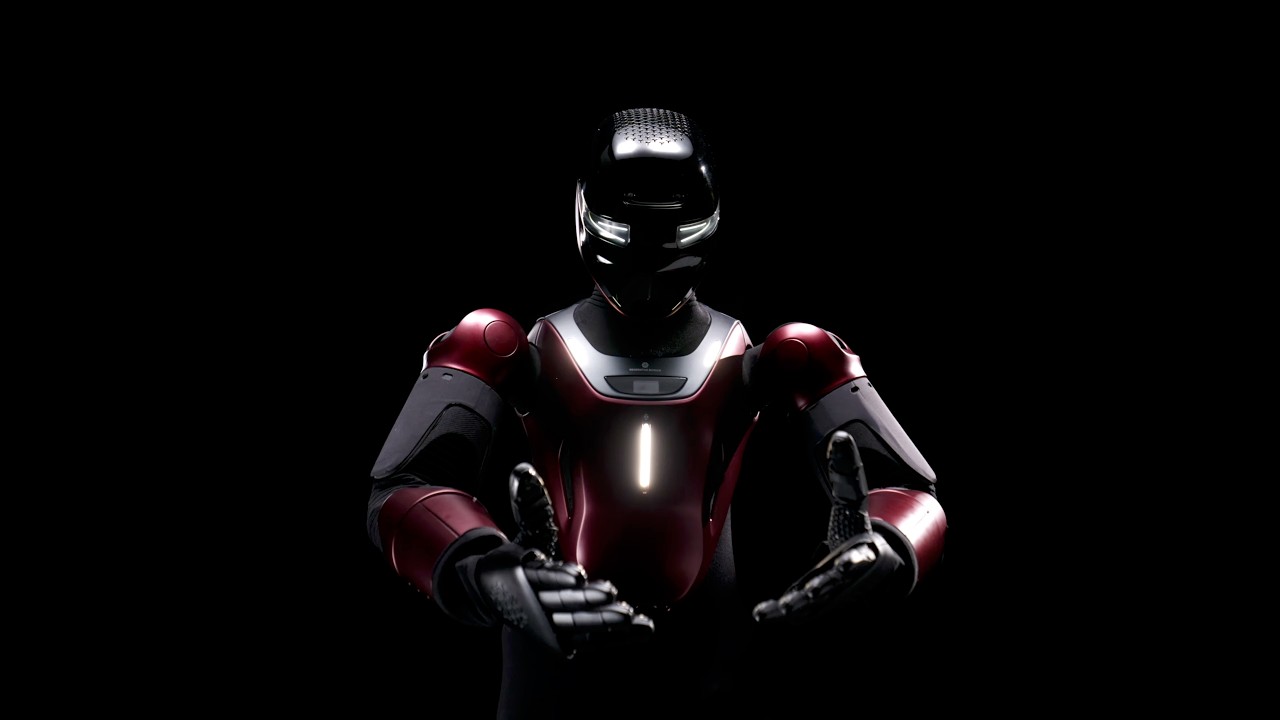
This is the kind of startup story that fits a fun robotics feed: concrete hardware, a clear shipping story, and something builders can actually try before the metal shows up.
What’s on the Robot
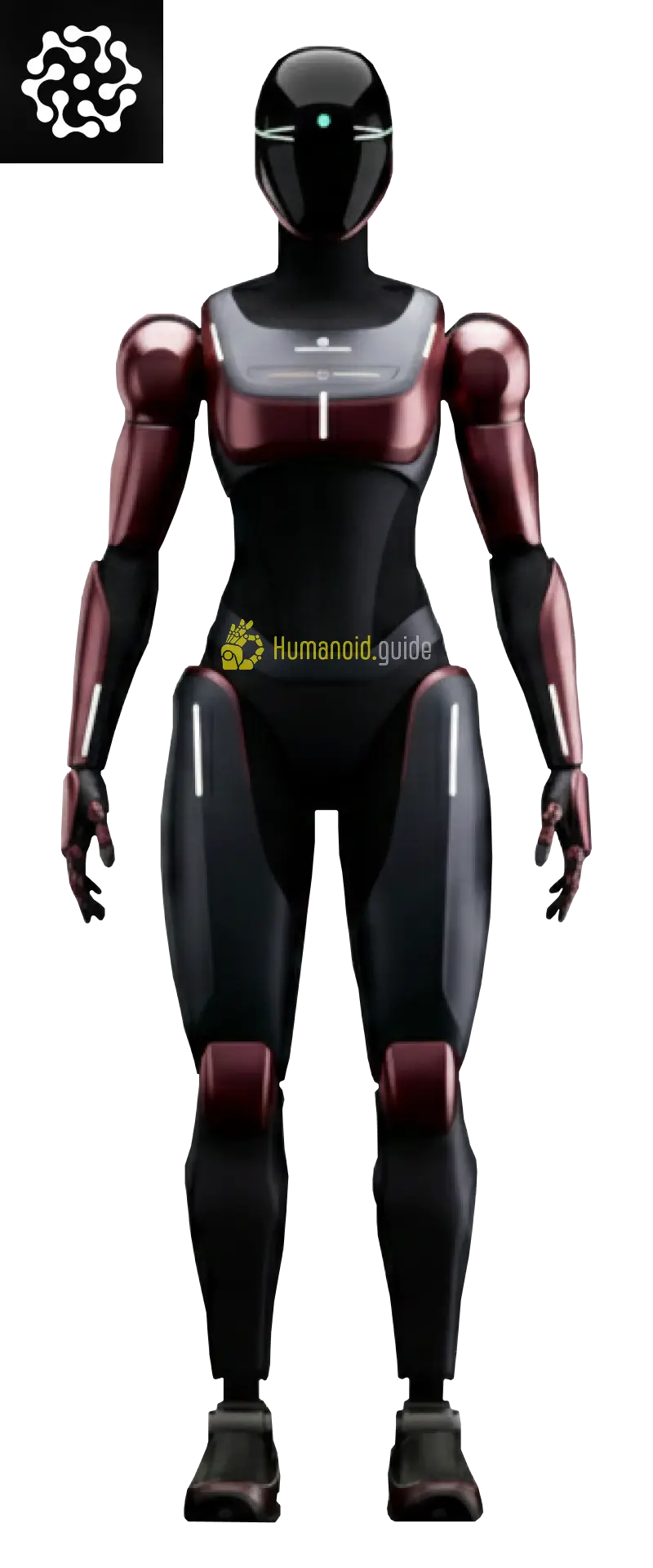
Gene.01 is framed as a sensorized humanoid platform for safe work alongside people, not a lab demo that never leaves the cage. Highlights from the company release:
- Multimodal “smart” skin across the body that detects touch, proximity, force, and temperature
- Physics-native Physical AI that treats body, mechanics, and motion intelligence as one system
- Research roots at the Istituto Italiano di Tecnologia (IIT), with related work published in Nature Machine Intelligence (July 13, 2026)
- First industrial wedge: a collaboration with shipbuilder Fincantieri aimed at shipyard welding
- U.S. debut planned for AMD Advancing AI 2026 (July 22–23, 2026)
CEO Daniele Pucci describes Gene.01 as a platform you customize at the AI, exterior design, and end-effector level — not one rigid “humanoid for everything” product.
The Cool Open Bit
The open-source angle is unusually practical. Generative Bionics says Gene.01’s digital twin is published and maintained across channels Physical AI developers already use — PyPI, conda-forge, and the official ROS build farm. A single install path, not a mystery repo you babysit for an afternoon.
That means simulation and software work can start before a customer has a robot on the floor. For a budding industrial humanoid shop, that is a clever way to grow an ecosystem early.
Money and Supply Chain
The company reports an $81 million seed led by CDP Venture Capital, with AMD Ventures, Duferco, Eni Next, RoboIT, and Tether participating. Nearly half of its roughly 100-person team hold PhDs, and production leadership includes a former Ferrari plant manager, Federico Santini.
On hardware sovereignty, Generative Bionics partnered with German actuation firm Synapticon for an EU-oriented actuation stack — assembly, calibration, and safety testing on the European side.
A Human’s Take
Six months from concept to a sensorized biped is a flex — and the skin-plus-open-twin combo is genuinely interesting for anyone who cares how robots share space with people. The Fincantieri welding path will decide whether this stays a beautiful Genoa story or becomes a real industrial product line. Until then, the “pip install the humanoid” digital twin is the bit I keep smiling about.