Genesis AI’s Eno Skips Legs for a Wheeled General-Purpose Robot
Genesis AI introduced Eno, its first general-purpose robot, built around human capability rather than a full human silhouette. No legs. No face. A wheeled base, a height-adjusting torso of articulated panels, and proprietary hands designed to match human form and function for tools and spaces people already use.
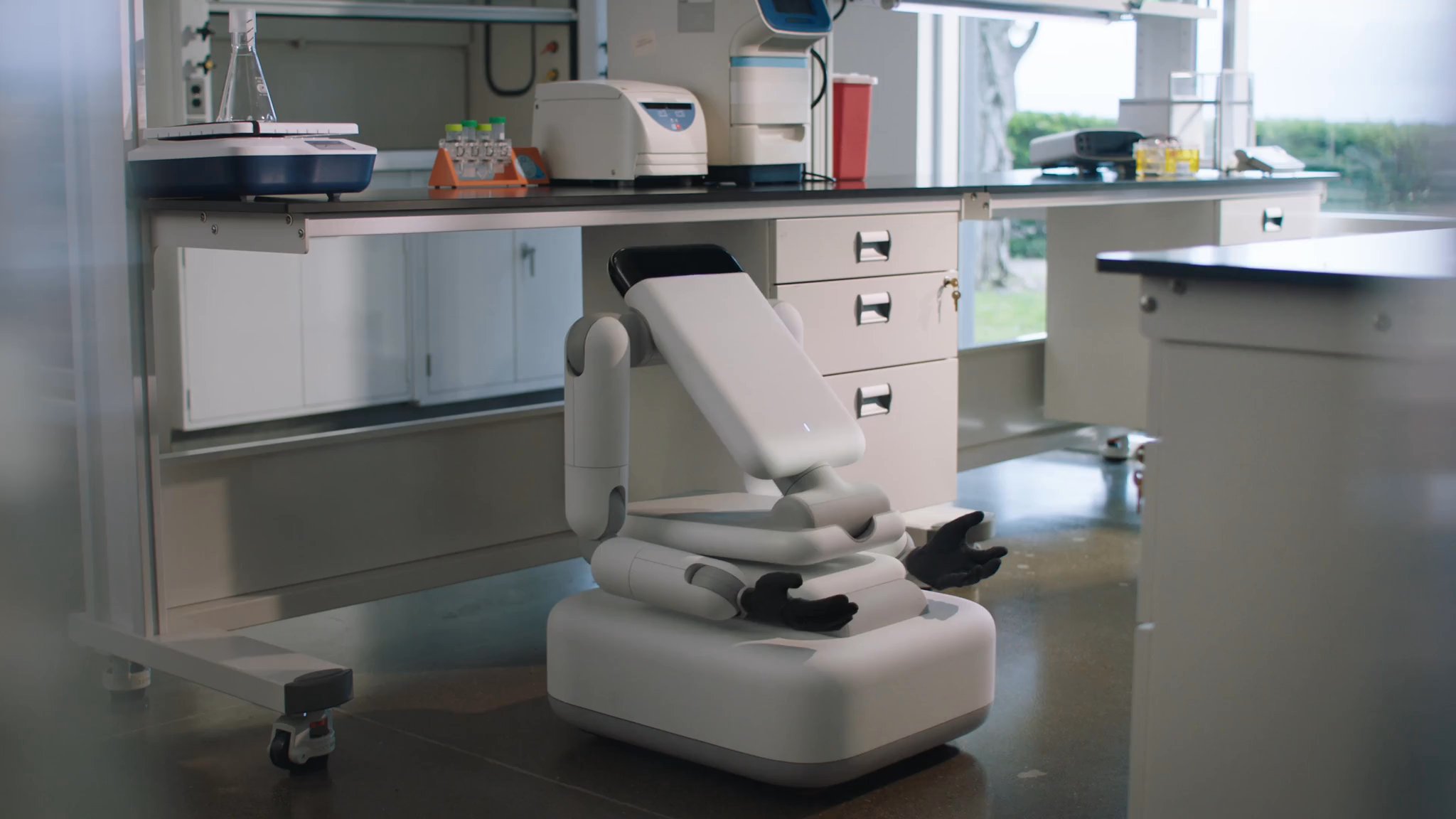
Design choices that show up on the floor
On the company’s press page, Genesis describes Eno as shaped by how the robot works, moves, and is manufactured. Rising from the wheeled base is a tower of articulated panels that can adjust height and reach and fold down for compact storage. Arms carry dexterous hands intended to use human tools without redesigning the workplace.
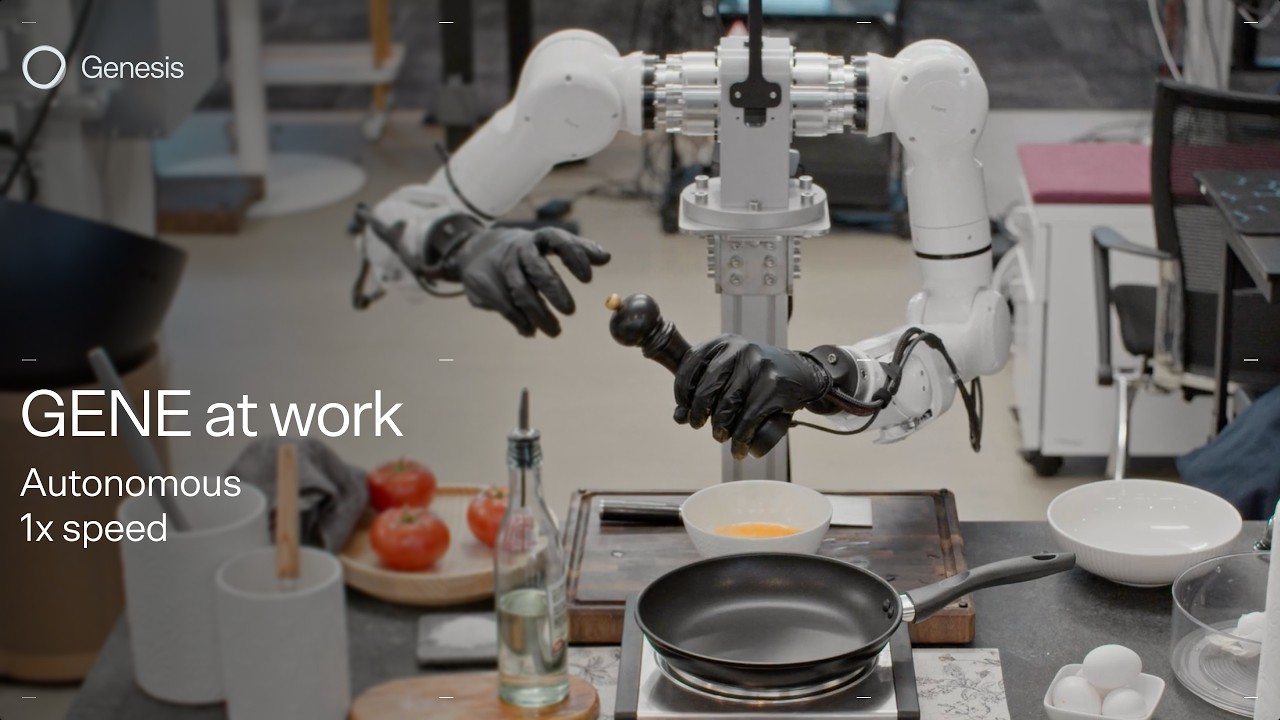
Eno was designed with GENE, Genesis’s robotics-native foundation model, so body and brain train as one system. The company says GENE supports long-horizon tasks with millimeter-scale manipulation and treats the robot as a physical agent that can retain context, replan when conditions change, and manage multi-step workflows rather than isolated motions.
Trust UI and 2026 deployment plan
Genesis plans an optional cognitive interface: a screen that can show intent, reasoning, and operational state so people nearby can see what the robot is about to do. That is a product bet on transparency over a painted face.
On timing, the company says it plans production and targeted customer deployments by the end of 2026, starting with industrial customers (manufacturing, logistics, laboratories), then service settings such as hotels and hospitals, with home and outdoor applications later. Eno is positioned as the first embodiment in a broader roadmap.
The Robot Report and other coverage frame the same launch: wheeled mobility and dexterous hands prioritized over a biped silhouette, powered by GENE.
A Human’s Take
I’m so here for a company that will not pretend legs are free. Factories and labs are full of flat floors and elevators; a wheeled base that folds down for storage is a practical product decision, not a philosophy fight.
The open question is the usual one: can GENE keep multi-step workflows alive across a whole shift without a remote operator babysitting every exception? Hands that look human only matter if the shift log looks boring.