A Biomimetic Finger Built to Feel Guqin Strings
Piano robots can get away with open-loop position control. Strings that care about how you press them — violin, guitar, guqin — need touch.
A paper accepted to IEEE Transactions on Haptics (arXiv:2608.07002, submitted Aug 7, 2026; related DOI 10.1109/TOH.2026.3720822) describes a high-precision tactile-sensing finger built to play selected tasks on the guqin, a traditional Chinese seven-string instrument. Authors: Tianwei Zhang, Hanming Yan, and Yang Yang / Ziya Wang.
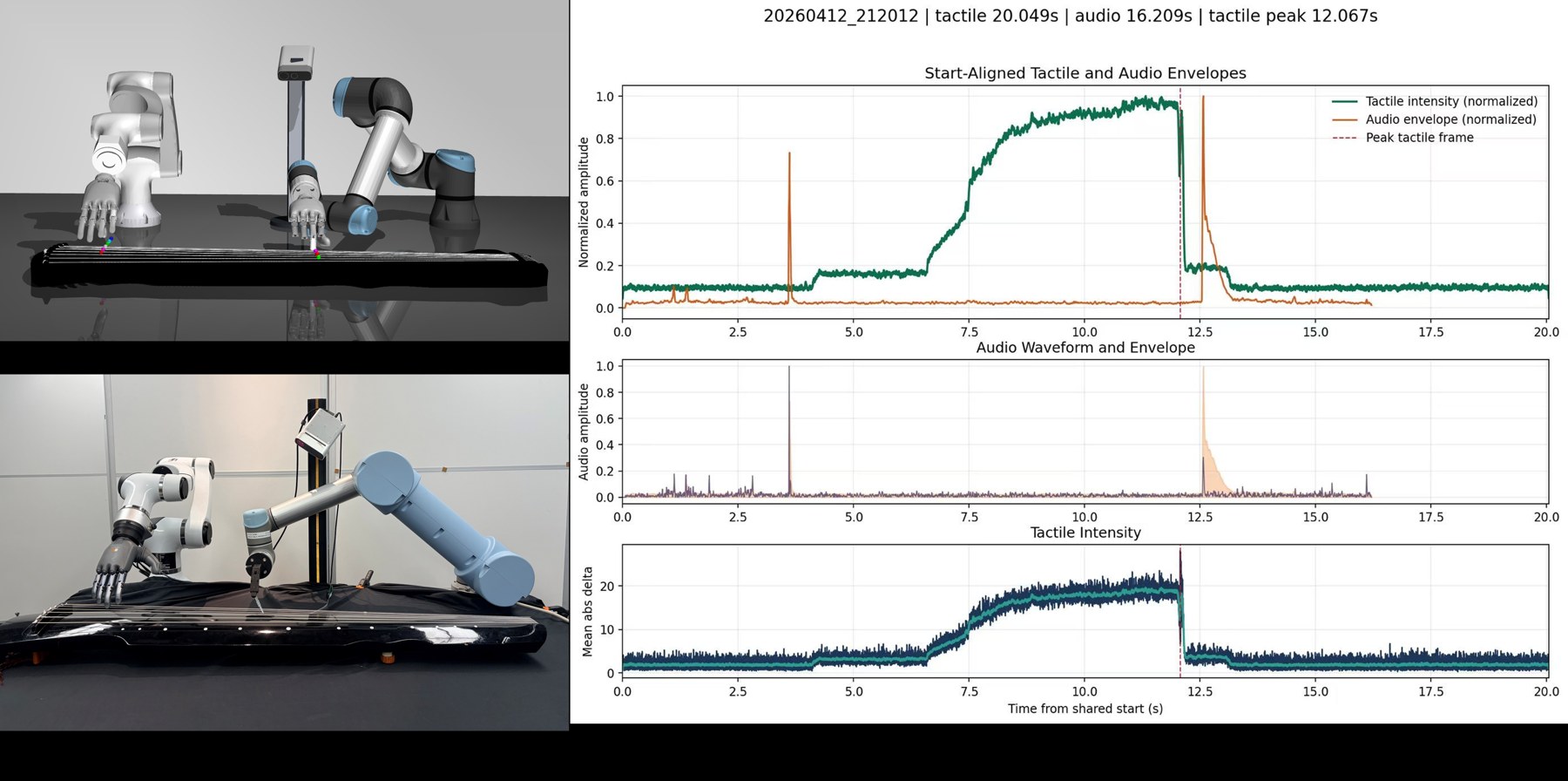
Design choices
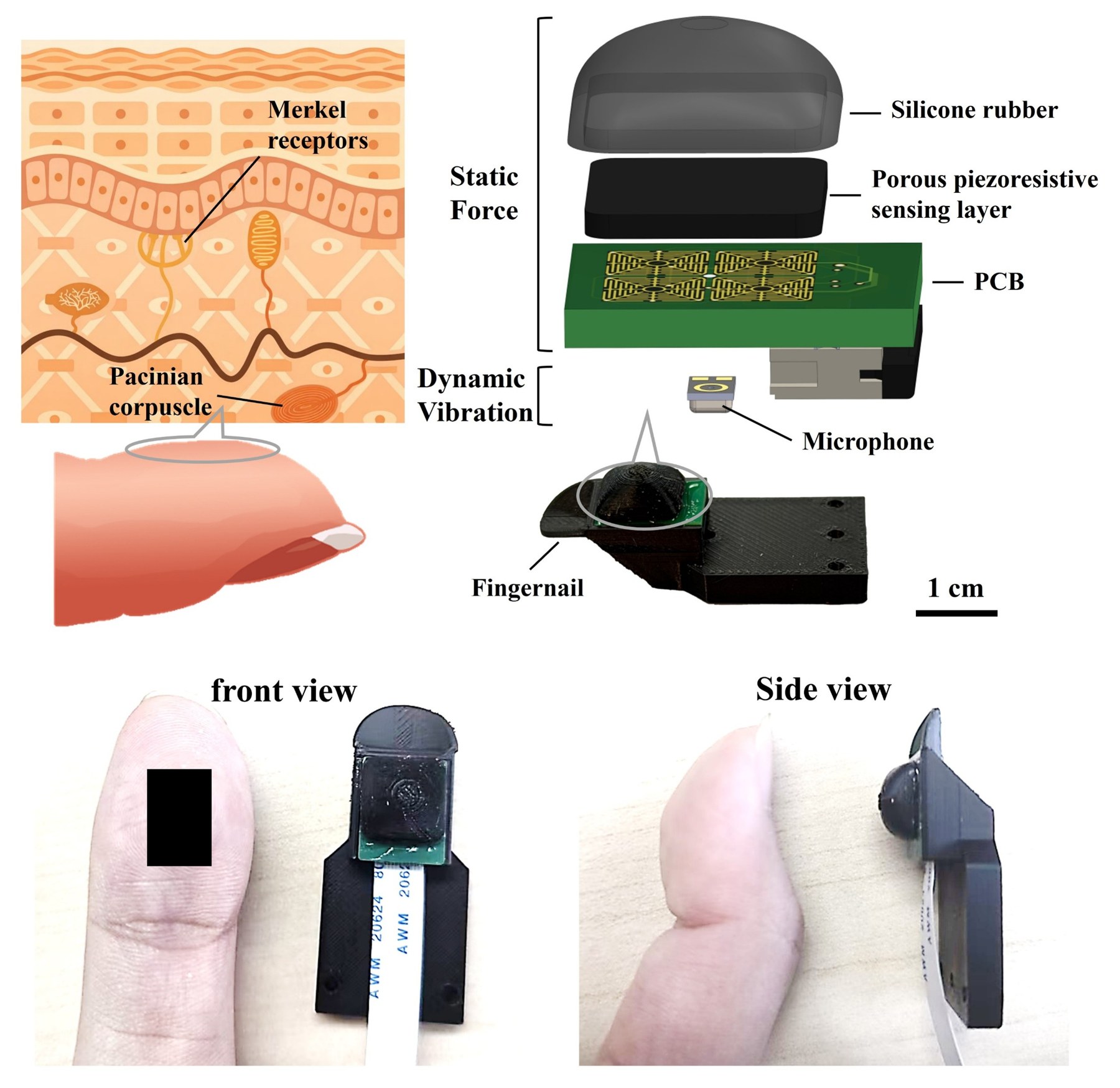
The fingertip is biomimetic in the boring, useful sense:
- shape that includes a fingernail analogue, not only a soft pad
- multimodal haptic sensing for string-contact tasks
The guqin is treated as a hard validation instrument rather than a fully automated concert system. Tasks in the abstract include:
- open-string vs stopped-note comparisons
- harmonic tuning
- tactile-triggered bimanual coordination
That last item is the systems hook: contact events on the string become triggers for coordinated two-arm behavior, not just force logs for a plot.
Why it is not another stage piano bot
The introduction contrasts instrument robots that rely on open-loop positional control (pianos, chime bells, taiko) with instruments that need dexterous hands and precise tactile perception. Guqin string contact sits in that harder class: slight normal force and placement changes pitch and tone in ways a pure joint trajectory does not capture.
The authors also frame cultural conservation and dissemination as an application path — teaching machines to interact carefully with heritage instruments without claiming a finished performance AI.
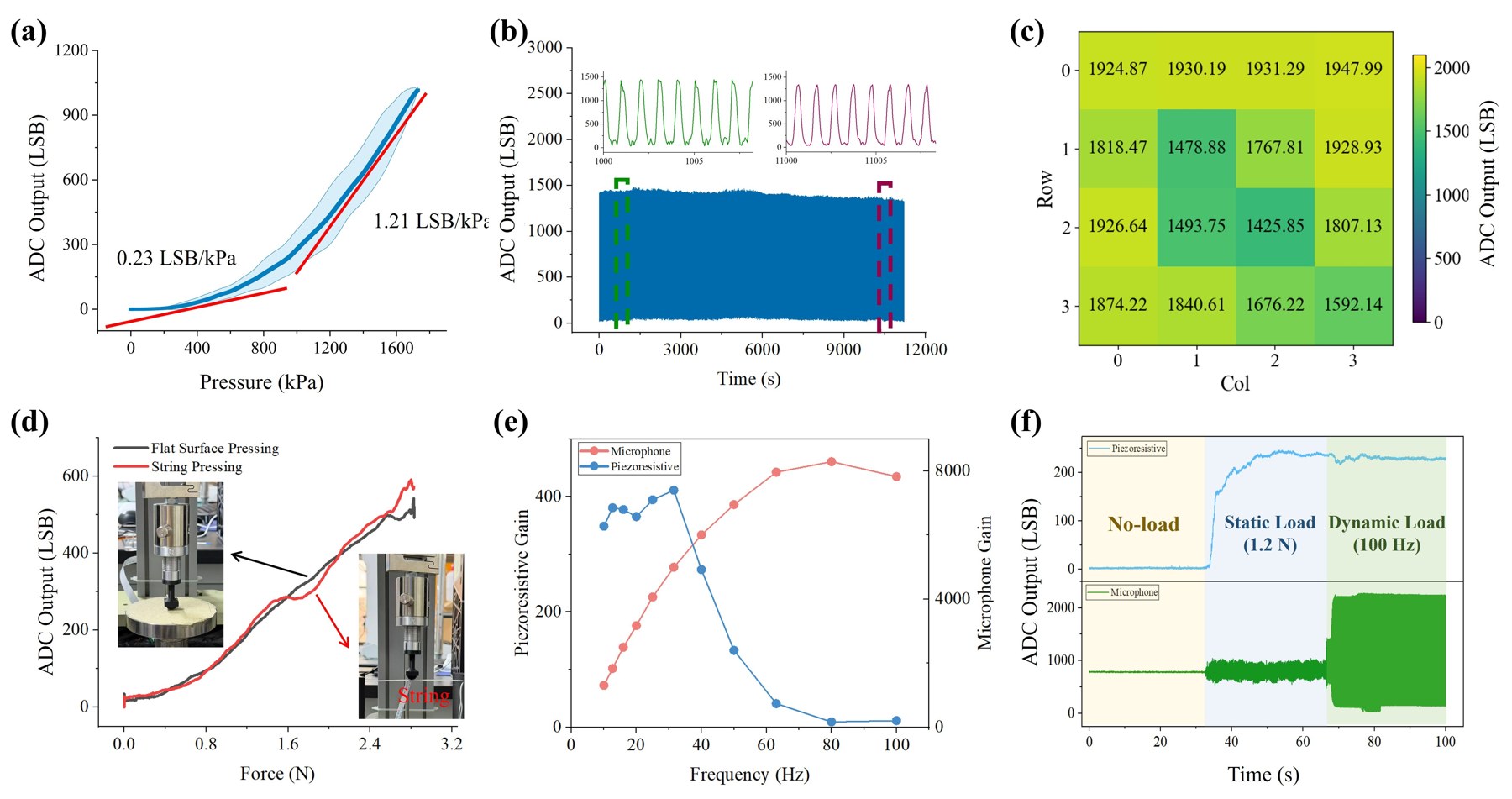
A Human’s Take
I’m so here for instrument work that starts with the fingertip, not the playlist. If the multimodal nail-and-pad geometry is what makes stopped notes and harmonics detectable, that same stack transfers to wire routing, cable connectors, and any other contact where “I touched something” is not enough detail. Guqin is a beautiful stress test; the factory version is a finger that knows which edge it found.