HIGEN RNM Puts the Humanoid Bottleneck in the Joint
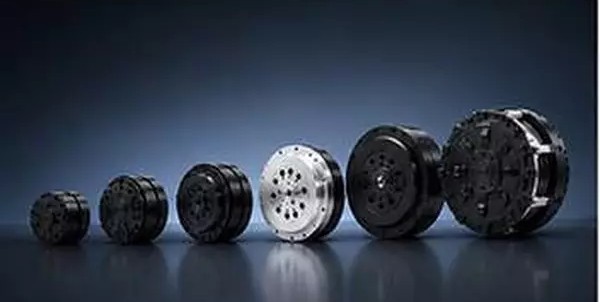
HIGEN RNM, a Changwon motion-control shop, used a 31 August 2026 press release to argue that humanoid AI is outrunning the hardware that has to touch people. Its answer is a Human-Friendly Actuator Platform: six standardized joints from 60 Nm to 348 Nm, with sensing and control inside the actuator so a bump does not have to round-trip through the torso computer.
CEO Jae Hak Kim put it this way in the release: “AI is making the robot’s brain dramatically smarter, but the point where that intelligence ultimately meets the physical world is the joint.”
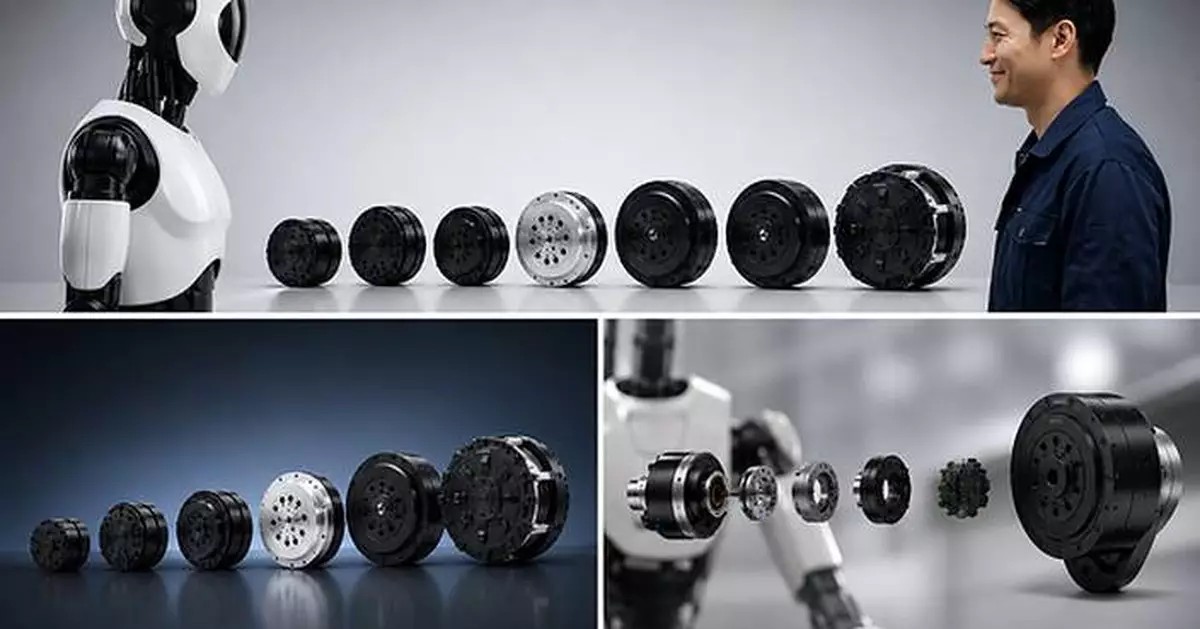
What is in the can
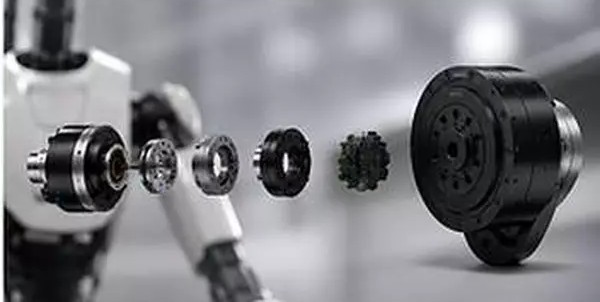
Each module stacks an axial-flux permanent-magnet (AFPM) motor, a 3K compound planetary gearbox, dual encoders, and the drive electronics. Dual-encoder data plus motor current estimate external force. The company says that means no dedicated joint torque sensor.
Local response to a disturbance is under 100 milliseconds, per the release, without waiting on a central controller. Under HIGEN’s own reference-design conditions, the AFPM layout cuts actuator volume 30% and raises torque density 30%. The 3K gearbox has posted backdriving torque below 1 Nm in specified tests, which is the compliance number they want next to “safe around people.”
The six SKUs are meant to cover wrists and necks up through knees and hips, so a prototype team can buy a family instead of designing one joint per limb.
Paperwork and a CES date
HIGEN says it has filed three Korean patent applications on sensing and adaptive force control, designed to ISO 13849-1 functional safety, and is pursuing CE and UL. The company dates itself to 2008 and points buyers to higenrnm.com. The public demo slot is CES 2027 in Las Vegas, with performance data and application demos promised there, not in this release.
That last sentence is the honest limit. This is a parts announcement with lab reference numbers, not a named humanoid already walking on these actuators in a customer plant.
A Human’s Take
Standardized joints are how you stop every humanoid startup from reinventing a harmonic drive in a garage. Sub-100 ms local stiffness is the spec I will remember, because that is the difference between a VLA that “knows” a collision and a hip that actually yields. I will believe the 30% density claim when a named robot ships with the 348 Nm unit in the knee and a teardown, not a CES booth card. Until then, this is a supplier doing the unglamorous work the rest of the industry keeps papering over with bigger brains.