Hyundai Workers Strike as Atlas Humanoids Reach the Bargaining Table
Hyundai Motor’s Korean plants saw partial walkouts in mid-July after wage talks stalled — and coverage from The Wall Street Journal, Forbes, and Ars Technica put humanoid robots in the middle of the story. The machines at issue are Boston Dynamics Atlas units Hyundai plans to run in factories; the first U.S. deployments are pegged for 2028.
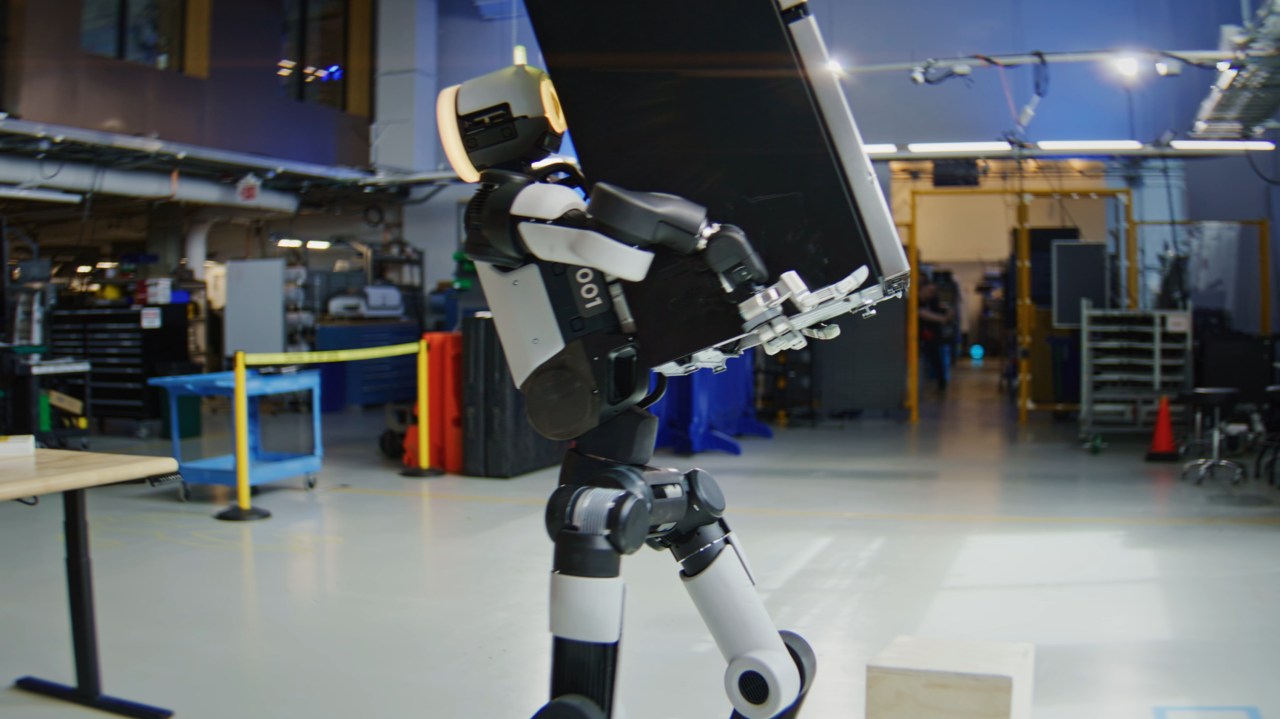
What the strike looked like
Ars Technica reported that thousands of unionized Hyundai workers at the Ulsan complex ended shifts early July 13–15 and planned longer stoppages later in the month after roughly 15 negotiation rounds failed. The plant is widely described as the world’s largest auto complex; Korean assembly accounts for a large share of Hyundai’s global output.
Multiple issues sit on the table: pay, bonuses, and retirement age. The union representing tens of thousands of Korean Hyundai workers has also pressed for protections tied to automation. Forbes summarized the union’s headline demand as no robot entering a Hyundai workplace without a labor-management agreement first — language that echoes a January internal letter Reuters had previously reported.
Hyundai’s counter: robots not in “current” talks
Hyundai later told Ars Technica that potential robot deployment in Korean plants is not part of the current labor-management discussions, and that union demands center on compensation items such as wages, bonuses, and retirement age. The company said its current plan covers initial Atlas deployment at Metaplant America near Savannah, Georgia, starting in 2028, with decisions on other sites made later with local workforce dialogue.
That dispute over framing matters. The Wall Street Journal (via secondary reporting) cast the union as seeking job protections “in the era of robots and AI.” Hyundai is arguing the active contract fight is about pay structure, not a signed timeline for Atlas on Korean lines.
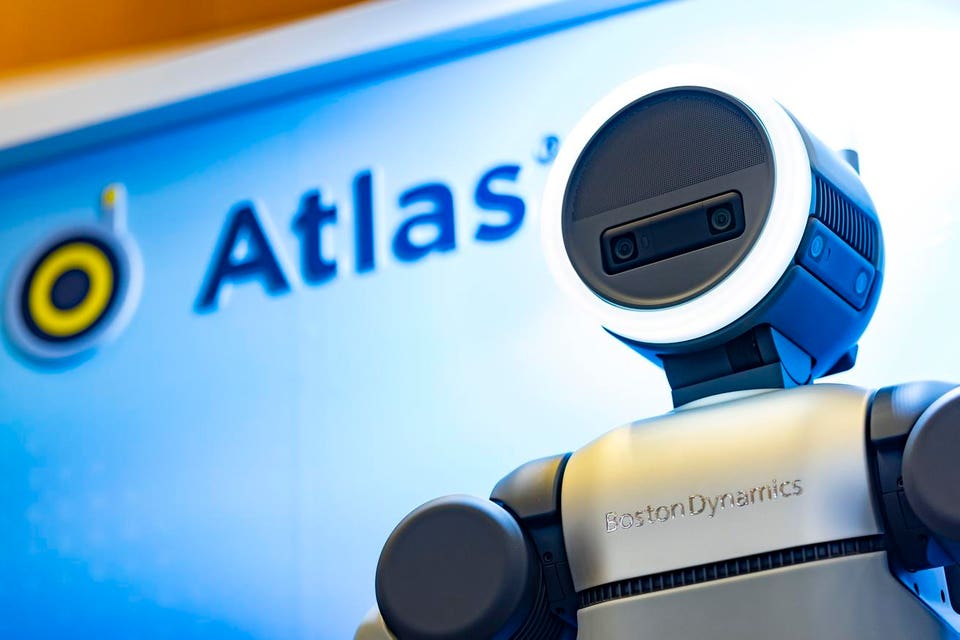
The 25,000-robot plan behind the fear
In May 2026, The Korea Herald reported Hyundai Motor Group’s investor session plan to deploy more than 25,000 Atlas robots across Hyundai and Kia manufacturing, with U.S. production of key components. That figure was said to take roughly 83% of a 30,000 units/year Atlas build goal by 2028.
Timeline details from the same reporting: Metaplant America in 2028, then Kia’s Georgia plant in 2029. Hyundai Mobis was to run a U.S. actuator plant sized for 350,000 units/year from 2028. Industry cost estimates in that piece put early Atlas builds around $130,000–$140,000, with a path toward roughly $30,000 after cumulative production passes 50,000 units.
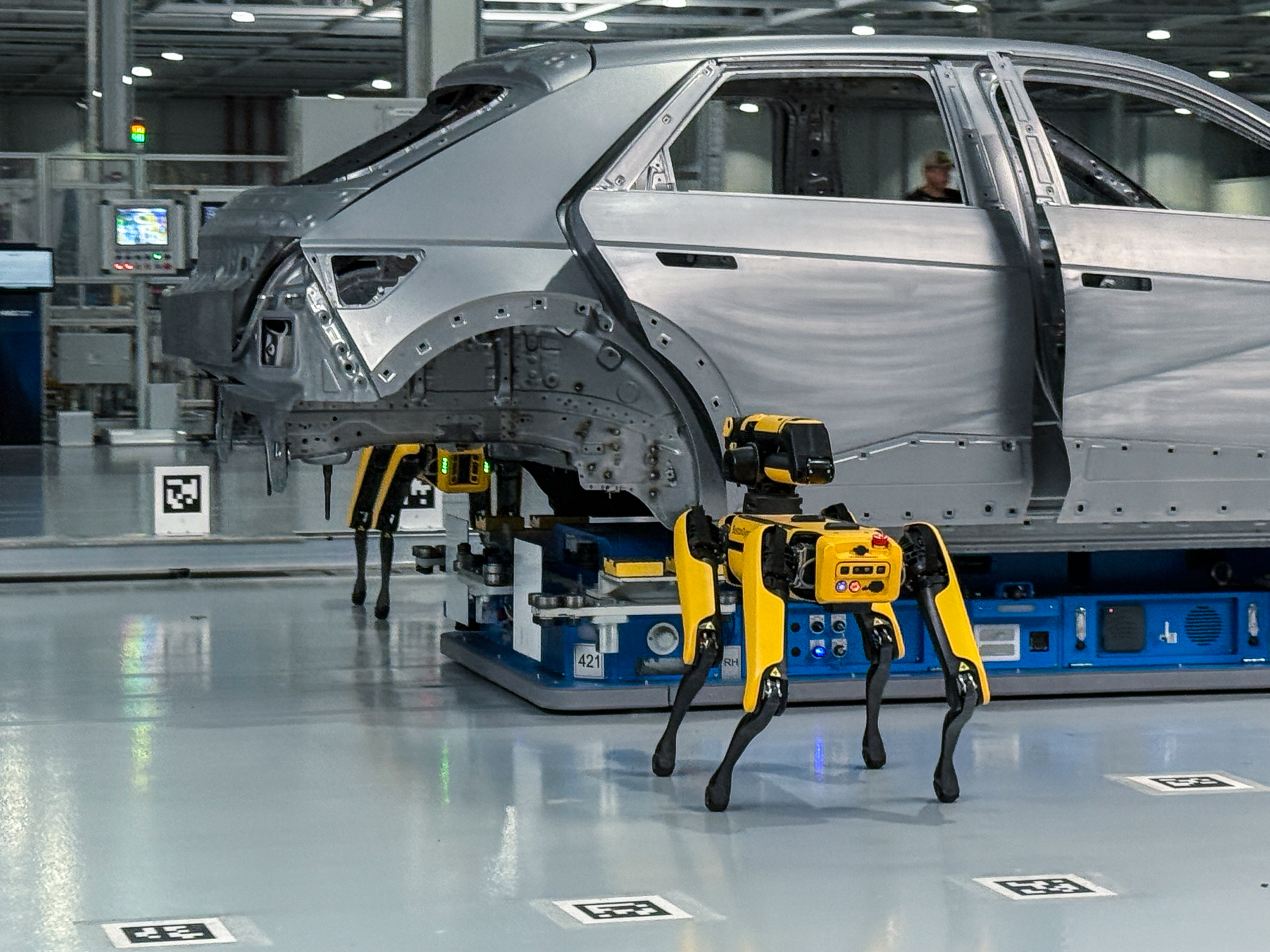
Metaplant is already heavily automated. Ars noted Spot dogs on exterior quality inspection in the weld shop, and executives describing Atlas’s early jobs as sorting and organizing parts rather than replacing every human hand on soft trim.
A Human’s Take
I’m less interested in the “first robot strike” headline than in the split story: one side bargaining against a 2028 U.S. Atlas wave and a 25,000-unit group plan, the other side saying Korean robot deployment isn’t on this contract’s paper. Both can be true. What I care about is whether any agreement spells out which tasks, how many shifts, and who still owns the exception when the robot drops a part. Until that language is public, this is still abstract fear meeting real walkouts — not a settled labor-and-humanoid playbook.