Isaac Teleop Can Now Buzz a MANUS Glove Finger by Finger
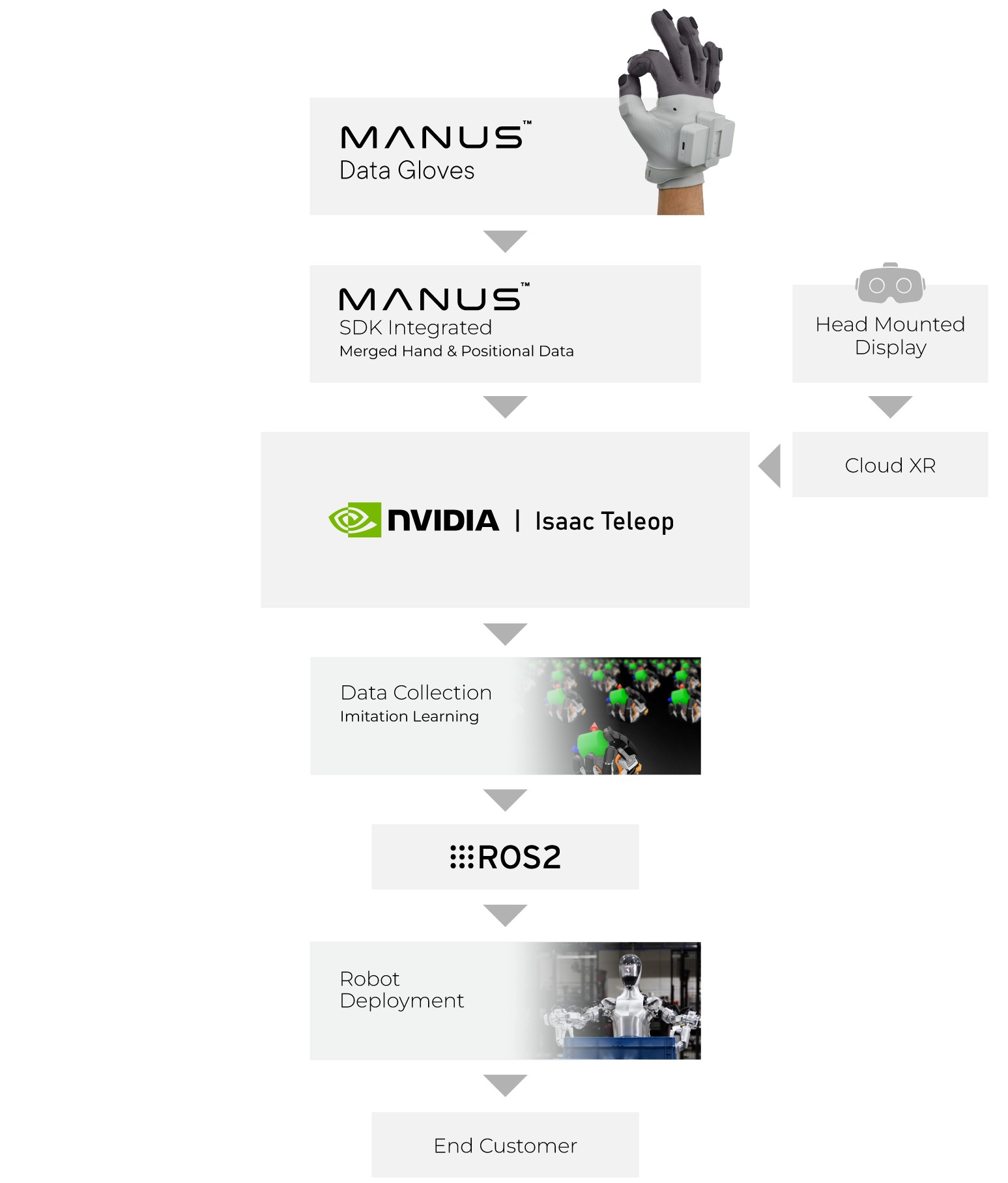
NVIDIA’s Isaac Teleop docs now treat MANUS gloves as a two-way device, not just a skeleton source. The Linux plugin still injects 26 OpenXR hand joints from the MANUS SDK. It also reads HapticCommand on collection manus_glove_haptic and drives five finger motors through the same SDK.
That is the missing half of a sim teleop loop: the robot (or the simulated hand) can tap the operator back. MANUS listed the haptic Isaac Teleop / Isaac Lab note on its blog index with an 26 August 2026 date. The robotics page already called the gloves an official Isaac Teleop input.
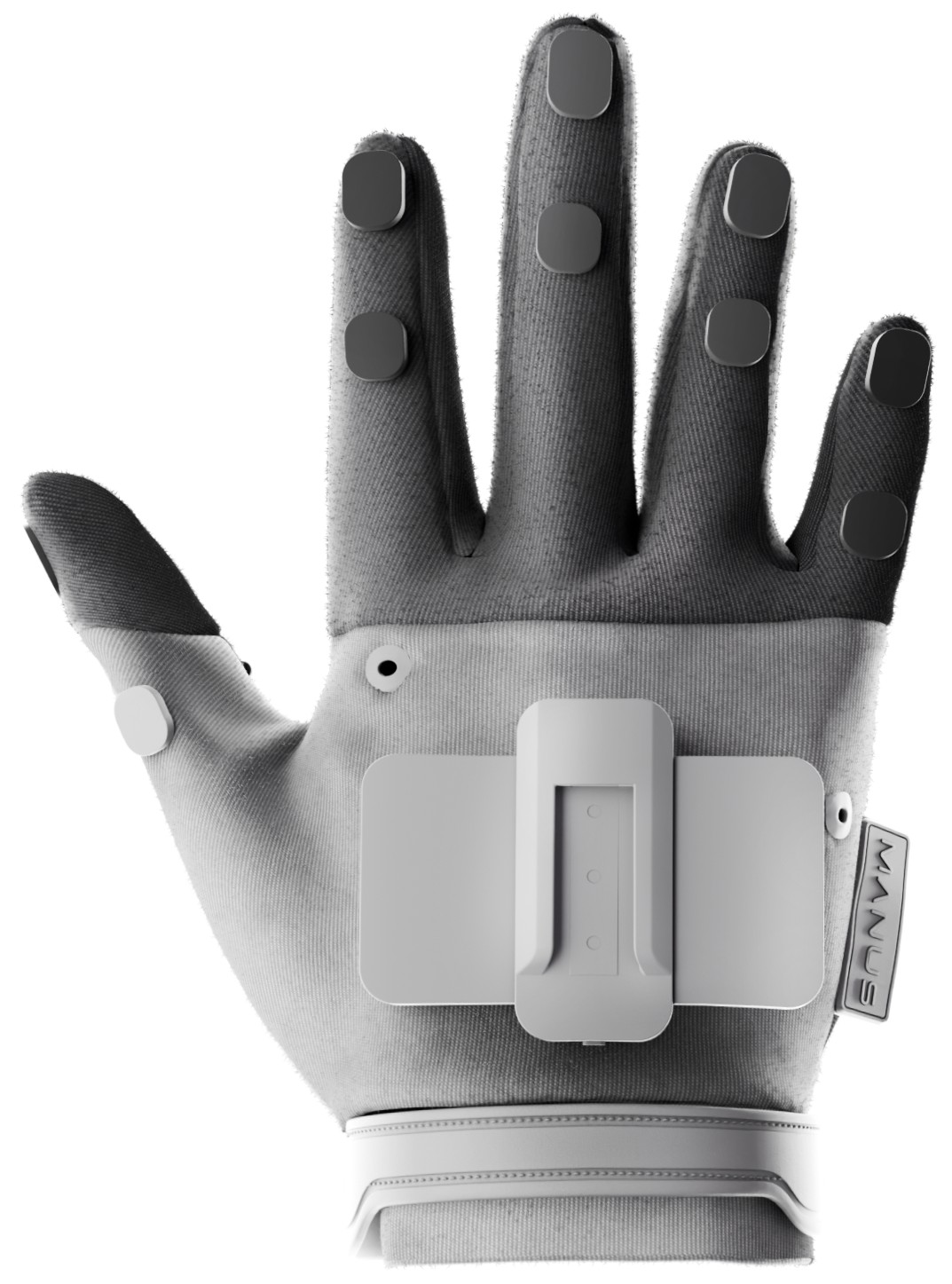
What the plugin actually ships
The NVIDIA documentation is blunt about the split:
- Human path: raw MANUS skeleton → 26 OpenXR joints → any downstream retargeter.
- Sensors path: if a glove reports at least five flex sensors, tip poses go out as a 35-joint
JointStateOutput. - Haptic path: inbound vibration commands, five motors, via
isaacteleop.haptic_devices.glove.haptic_glove_device.
Default launch enables all three. You can restrict them with --datasets=human,sensors,haptic. Linux only, tested on Ubuntu 22.04 / 24.04. The install script pulls MANUS SDK v3.1.1. Wrist pose can come from Quest 3 controllers on the universal mount, or from the headset’s optical hand tracking when XR_MNDX_xdev_space is present.
MANUS’s own robotics page fills in the glove side: 25 degrees of freedom, millimeter-level tracking, no occlusion, no drift. Metagloves Pro Haptic add real-time vibrotactile feedback on contact. The company says the gloves are integrated with 50+ robotic hand models over C++, Python, and ROS 2.
Hands on the same page
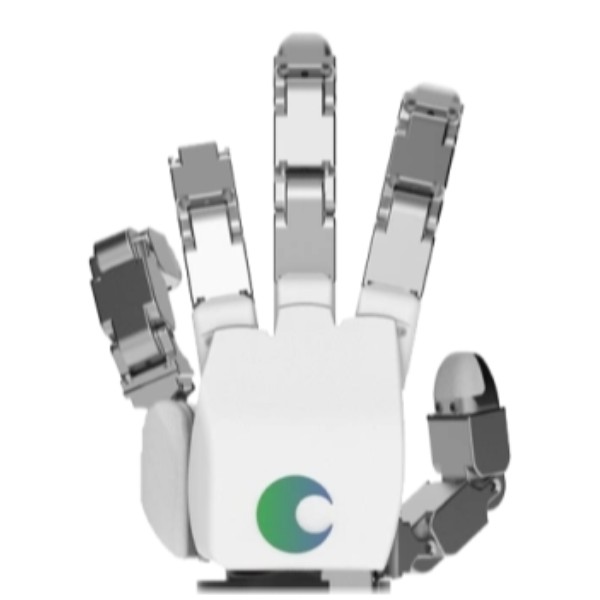
The robotics page shows the retargeting targets sitting next to the glove: Tesollo DG-5F, Sharpa Wave, Robotera XHAND 1 Pro, Agibot OmniHand, PSYONIC Ability Hand, and others. Those are product stills for the hands the SDK already talks to, not a claim that every one of them is now haptic-closed in Isaac Lab.
A Human’s Take
Finger tracking without touch is how a lot of “dexterous” datasets still get collected, and you can see it in the ginger grasps. A five-motor buzz is not a fingertip taxel map, but it is a channel the operator can feel at sim rate. The test is whether people actually record better demos once the glove pokes back, or whether this stays a checkbox in the Isaac Teleop README. I will be more convinced when a public Isaac Lab task uses that HapticCommand tensor on a contact-rich insert, not just a skeleton overlay.