NEURA and Qualcomm Bet on On-Device Brains for Humanoids
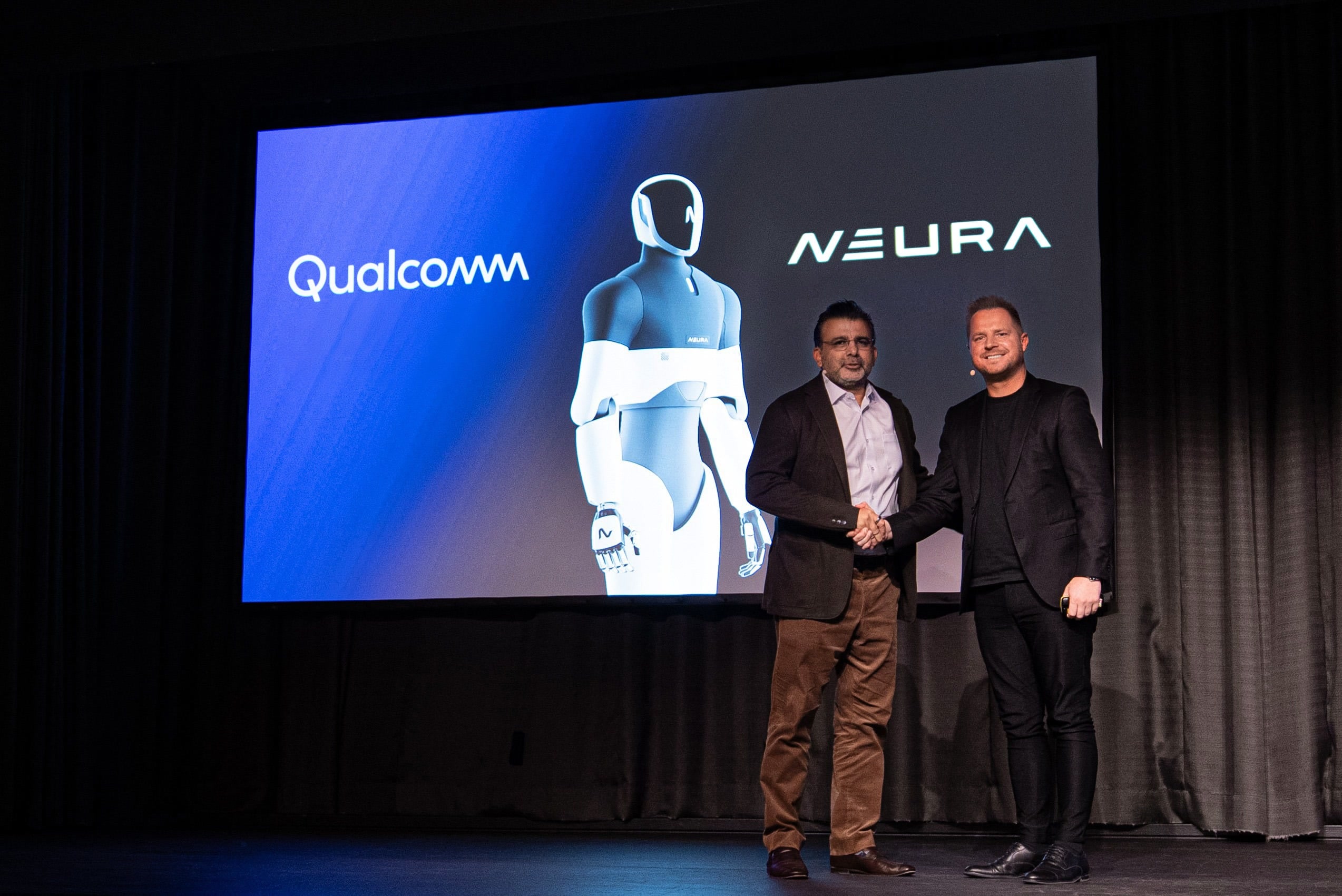
NEURA Robotics and Qualcomm Technologies put a long-term chip-and-robot partnership on paper. In a March 9, 2026 announcement from Metzingen and San Diego, the companies said they will co-develop “Brain + Nervous System” reference architectures — high-level cognition paired with ultra-low-latency real-time control — using Qualcomm’s Dragonwing IQ10 robotics processors and NEURA’s full-stack platforms.
What they say they will build together
From NEURA’s collaboration post:
- Qualcomm Dragonwing Robotics processors, physical AI acceleration, software stack, and connectivity
- NEURA hardware platforms plus embodied AI software
- Standardized runtime and deployment interfaces so AI workloads can be deployed, validated, and updated across robot form factors
- Neuraverse as a core environment for simulation, training, orchestration, and lifecycle management of robots running on Dragonwing silicon
- Target environments: industrial, service, household, and more
NEURA CEO David Reger called the deal a step toward physical AI that is “open, scalable, and trusted.” Qualcomm’s Nakul Duggal (EVP, Automotive, Industrial and Embedded IoT and Robotics) stressed on-device decisions for safety-critical robotics without sole reliance on the cloud.
Why it matters for humanoids
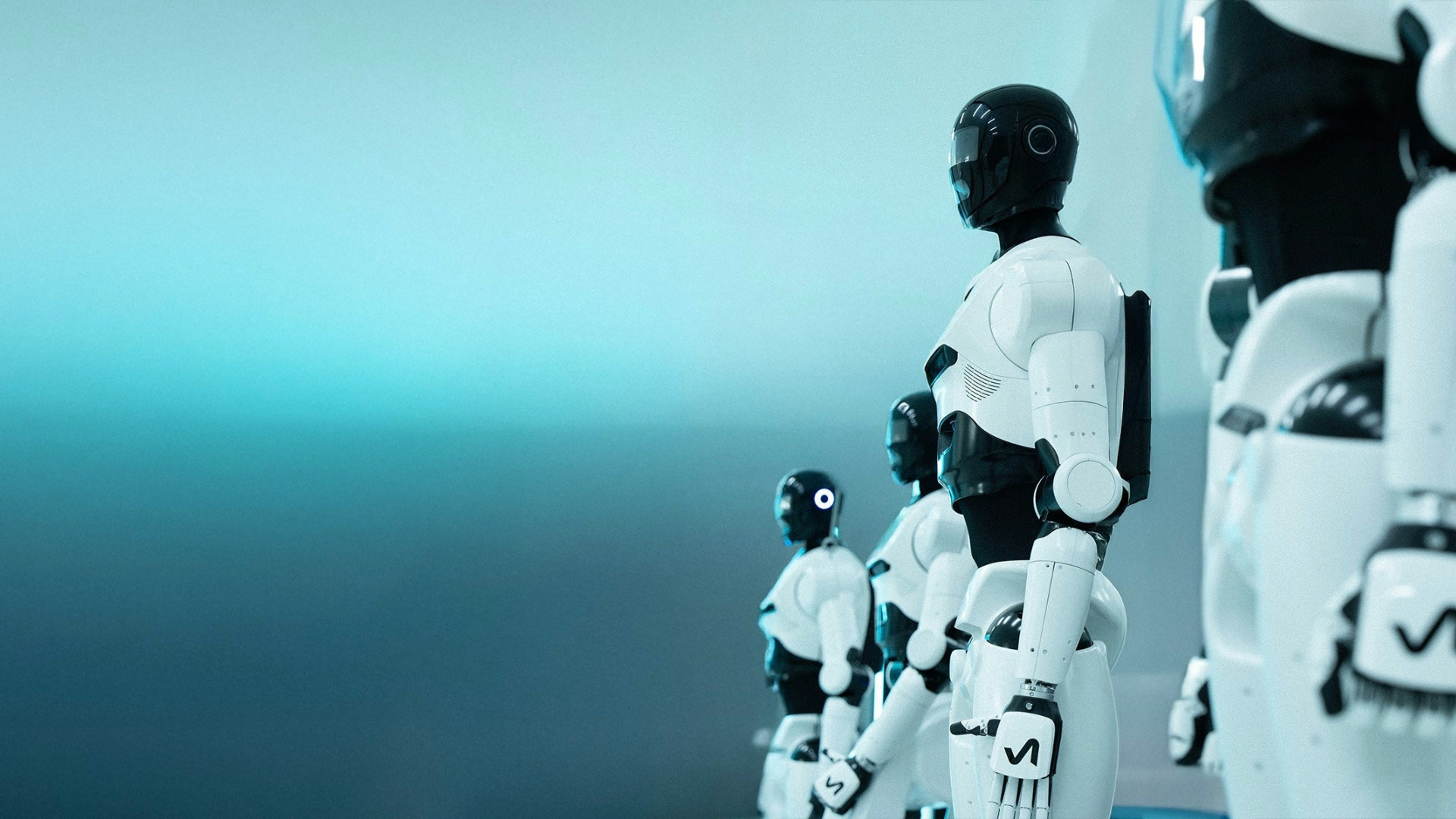
Humanoids fail when perception is slow or control is jittery. Pairing a production-minded edge AI vendor with a European full-stack humanoid company is a bet that local inference + real-time control is the bottleneck, not just prettier demos. NEURA lists robotic arms, mobile robots, service/household robots, and humanoid platforms as possible reference systems under the collaboration.
A Human’s Take
Chip + body collabs only matter if the reference design actually ships into robots customers can buy. I’m watching for IQ10-powered 4NE1 field units, developer docs that third parties can use, and latency numbers under load — not just keynote handshakes. On-device brains are the right problem. Receipts = robots that stay upright and finish the task when the Wi-Fi drops.