Nori Offers Sub-$2k US-Built Arms After FCC Robot List
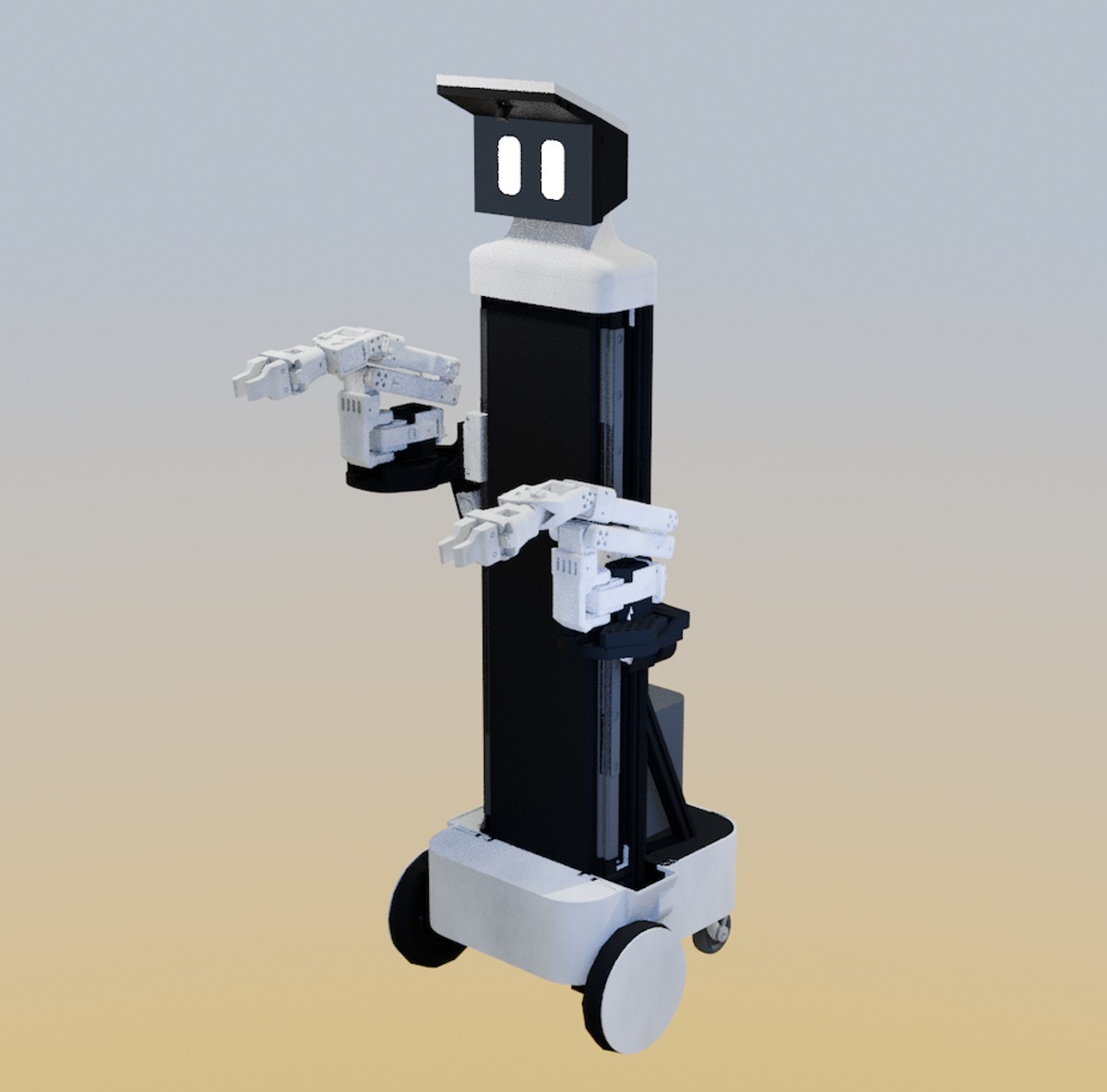
A day after the FCC put foreign-produced advanced robotic devices — humanoids and quadrupeds among them — on its Covered List, Nori Robotics founder Antonio Sitong Li went public with a blunt offer: US-built mobile bimanual robots at manufacturing cost under $2,000, plus an open-source SDK, teleoperation software, demonstration data, and engineering support for US labs, researchers, and startups.
That is not a national press release from a mega-lab. It is a YC-backed hardware company reading the same regulatory shockwave as everyone else — and trying to turn domestic assembly into a sales pitch.
The Offer (From the Founder Thread)
In a July 29 X thread quoting FCC Chairman Brendan Carr’s Covered List post, Li said Nori wants to support US robotics work with affordable domestic hardware. Specs he listed:
- US-built mobile bimanual robot
- 20 DOF total (7+1 DOF per arm)
- 1 kg payload per arm
- Open-source SDK
- Teleoperation software + demonstration data
- Full engineering support
- Price framing: manufacturing cost, under $2k
He pointed interested labs to the @NoriRobotics account or Antoniositongli@norirobotics.com. Company account posts echoed the same “US robotics ecosystem” framing against the FCC action.
Treat the thread as a commercial offer, not an FCC exemption. Covered List rules still govern who can authorize new foreign SKUs; Nori is arguing buyers should not have to wait on that path if a domestic machine exists at appliance-adjacent money.
What Nori Actually Sells on the Site
Nori’s product page (fetched this session) is more concrete on consumer SKUs than the “under $2k lab offer” post:
| Model | Height | Lift | Price (site) |
|---|---|---|---|
| NORI L2 | 100 cm | 650 mm dual Z-axis | $1,288 pre-order |
| NORI L2 Grande | 130 cm | 950 mm dual Z-axis | $1,322 pre-order |
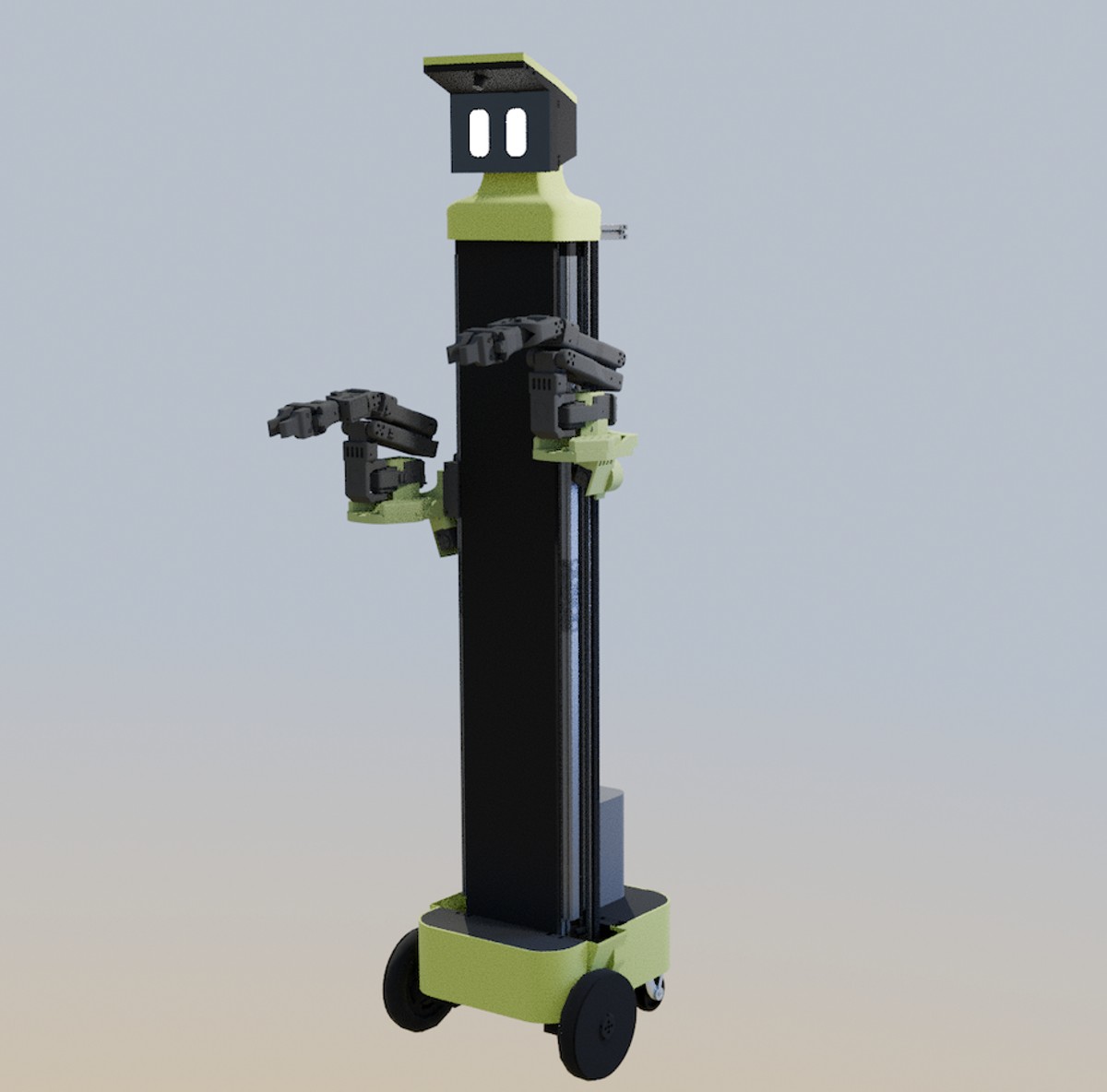
Both are wheeled bimanual machines — not bipeds. Marketing targets household tasks (dishes, coffee, laundry, collaborative bed-making) with a skills marketplace and remote teleoperation. The site says made in the US / SF, ships summer 2026, with monthly updates promised.
Who They Are
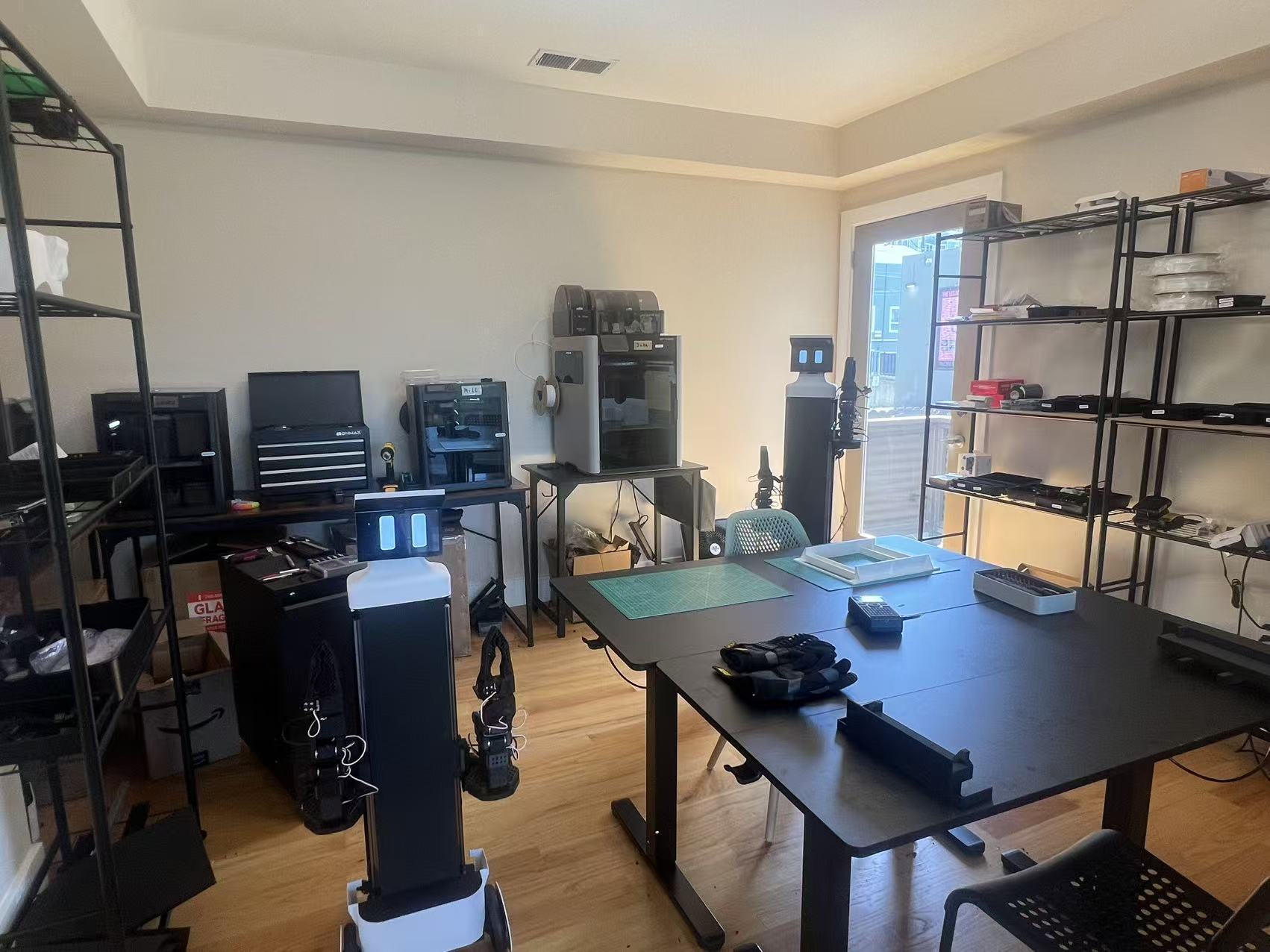
Y Combinator lists Nori in the Summer 2026 batch as a four-person hard-tech / robotics company manufacturing humanoid (form-factor) robots, tagline “Sub-1500$ robot anyone can program,” website norirobotics.com, founder Antonio Sitong Li (Columbia CS + Architecture background). YC’s public company page places the team size at 4 and HQ as New York City, while the product site stresses San Francisco manufacturing — a dual footprint worth watching as they scale.
Secondary coverage (RuntimeWire) reported an L3 preorder message and free upgrades for L2 buyers around the same week; the live site we fetched still led with L2 / L2 Grande pricing. We stick to what the company site and founder posts state for this article.
Why This Lands After the Covered List
Mechafeed already covered the July 28 FCC update: new foreign-produced advanced robots face equipment-authorization blocks, with Conditional Approval paths via national-security agencies. Existing authorized units are a different problem than importing the next SKU.
Cheap Chinese arms and dogs have been the default shopping cart for many US research groups. If new foreign models get harder to authorize, the market splits: pay the exemption/politics cost, or buy domestic. Nori’s bet is that $1.3k list price and “under $2k at cost for labs” is close enough to the old import price to matter — if the hardware actually works a shift and the SDK is real.
A Human’s Take
I’m so here for boring, buyable US hardware — as long as the DOF count isn’t doing all the selling.
Sub-$2k dual-arm platforms are how students and small labs stop waiting for a grant large enough for an industrial arm. Nori is tiny (YC says four people). That is a feature for focus and a risk for support load if half the country’s robotics clubs email them in the same week.
What I care about next: who receives a unit, what tasks run without constant teleop, and whether “made in SF” holds when they try to ship volume. Policy just raised the value of a domestic BOM. Receipts still have to come from the workbench.
Sources
- Nori Robotics — product site (L2 pricing, US manufacturing)
- Y Combinator — Nori company page
- Antonio Sitong Li — X thread on US-built hardware offer
- Nori Robotics — X post on US hardware after FCC news
- Brendan Carr — FCC Covered List announcement (quoted)
- Mechafeed — FCC foreign humanoids Covered List