UT Austin Leads a $30M NSF Center on Human-Robot Co-Adaptation
The University of Texas at Austin will lead a new NSF Science and Technology Center on human-robot co-adaptation — how people and assistive robots change each other’s behavior over months and years, not just whether a demo task finishes. UT News dated the announcement 27 August 2026. NSF’s own release is dated 26 August.
The five-year award is $30 million. NSF’s award record for cooperative agreement 2535195 lists a total intended amount of $29,999,998, start date 1 September 2026, and end date 31 August 2031. First-year money obligated is $5,999,999. NSF is putting about $6 million a year into each of three new centers, $90 million over five years in total.
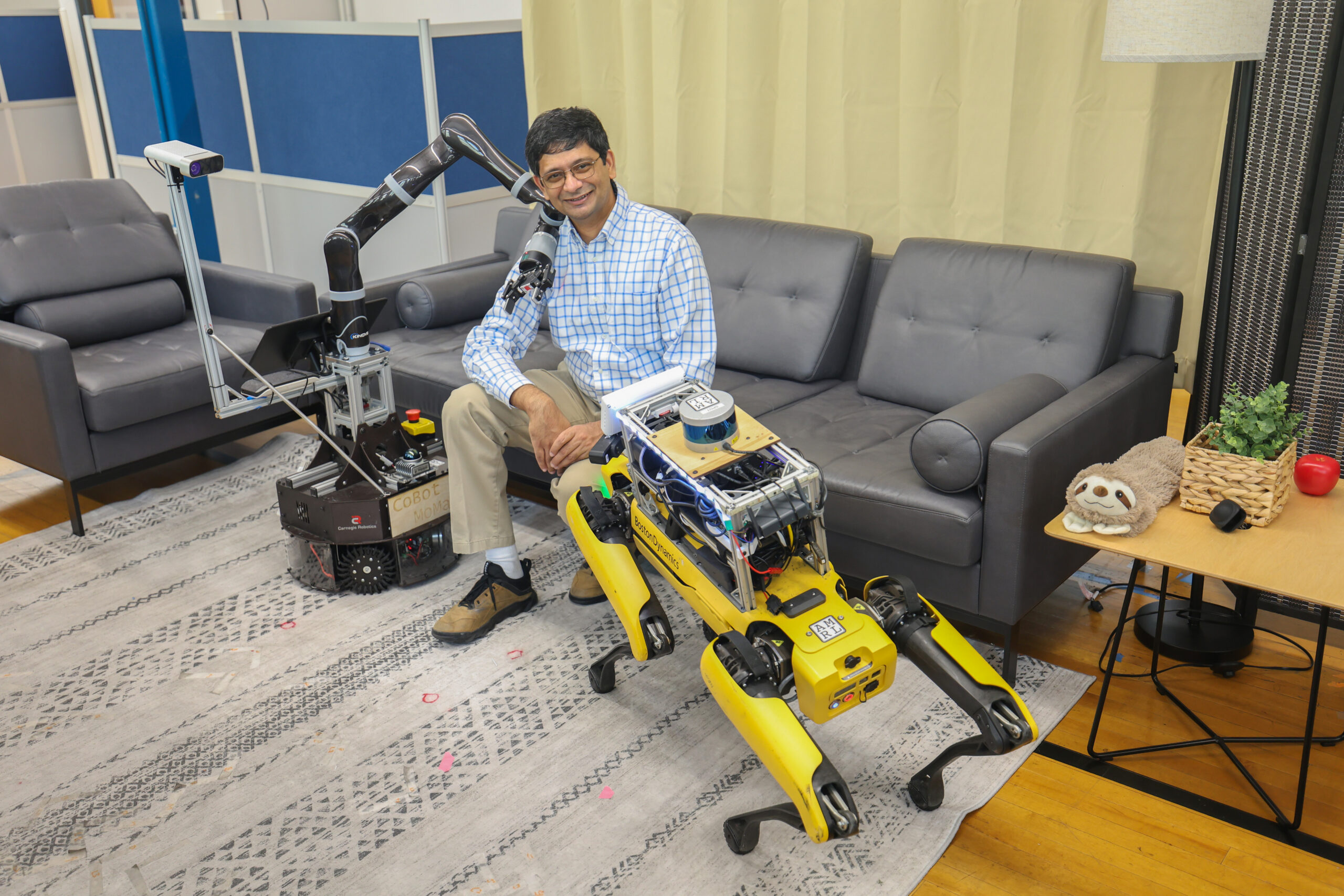
Who is in the room
Joydeep Biswas, an associate professor of computer science, is director. Co-PIs on the NSF record include Brian Scassellati (Yale), Matthias Scheutz (Tufts), Chen Yu (UT Austin), and Dylan Hadfield-Menell (MIT).
UT News says the center gathers 39 researchers from six universities: UT Austin, MIT, Yale, Indiana University Bloomington, the University of Utah, and Tufts. Industry names on the UT page: Amazon, Apptronik, Diligent Robotics, Google DeepMind, Hello Robot, MassRobotics, NVIDIA, and Robust AI.
Apptronik co-founder and CTO Nick Paine notes the company spun out of UT’s Human Centered Robotics Lab in 2016. NVIDIA’s Deepu Talla, VP of robotics and edge AI, is quoted on using NVIDIA compute, simulation, and foundation models for the work.
What they say they will actually do
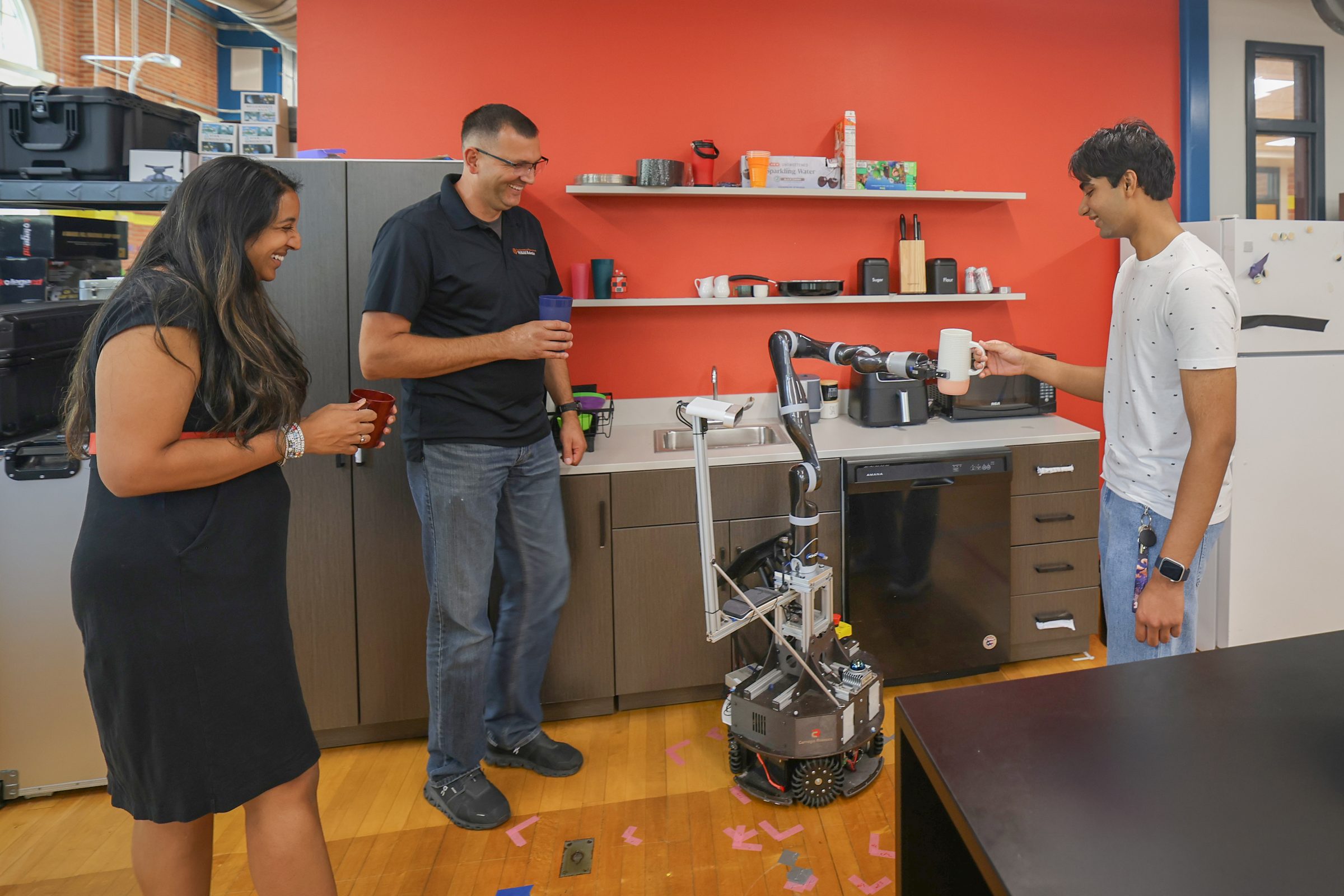
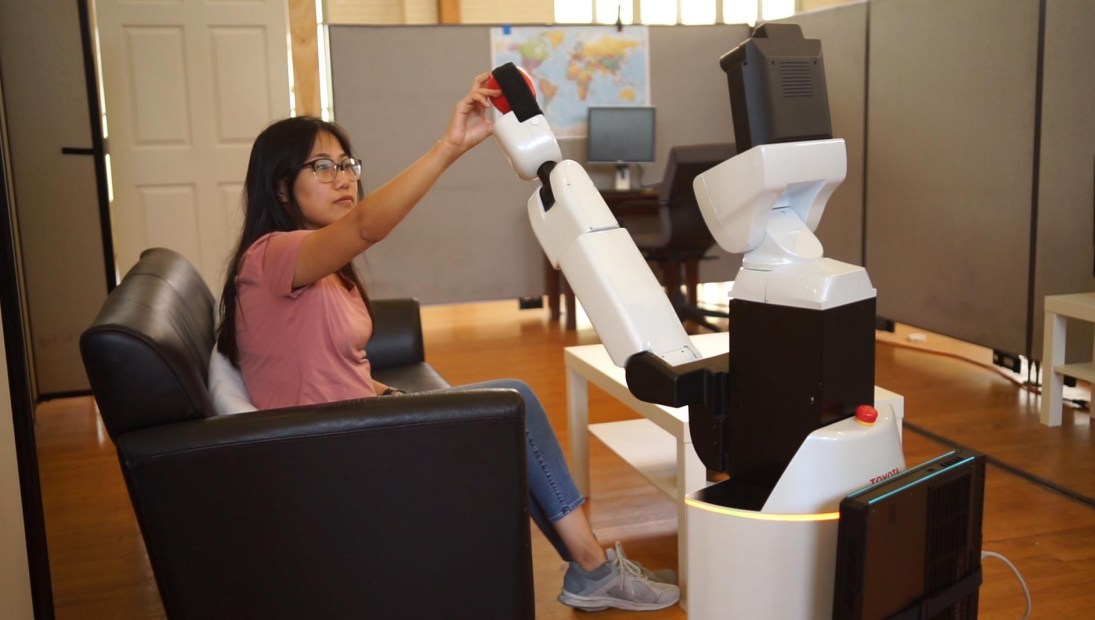
Most robots, UT writes, are judged on task completion in controlled spaces. The center wants the longer loop: a machine that sets the table before you ask, then adds soup spoons because it has seen you make chili. The same idea in rehab: the robot learns a person’s reach, the person learns what to ask for.
The fieldwork sits in a Human Environment with Robots (HERO) site network: houses, dorms, cafés, a public museum, a rehabilitation hospital, and elder-care residences, hosted at UT and the partner campuses. An internal ethics board is supposed to handle consent and opt-out. Texas Advanced Computing Center will run simulation, training, storage, and digital twins of those sites.
“The next leap in robotics is not just getting robots to perform more tasks,” Biswas said in the UT announcement. “It is enabling robots to understand the people around them: their needs, preferences, values and constraints, while recognizing that people also adapt their behavior when they integrate robots into their environment.”
The other two 2026 STCs are TEMPEST at Michigan State (turbulence) and GENIE at Northwestern (3D genome engineering). NSF acting leadership is quoted through Brian Stone.
The Robot Report recap matches the NSF $90 million / $6 million-a-year structure. The AI Insider write-up, which cites the UT page, repeats the 39-researcher, six-university, industry-partner list.
A Human’s Take
Thirty million dollars is not a robot. It is a permission slip to keep machines in real homes and hospitals long enough to watch people change around them. That is the right scientific target. The failure mode is also obvious: a beautiful ethics board and a pile of dorm-cafe pilots that never tell you whether the robot still works after the novelty week. I will believe the “co-adaptation” label when they publish how a deployed machine unlearned a bad habit because a person did.