Jetson Orin Nano 2: 78 TOPS, Same Board, Ships 2027
NVIDIA announced Jetson Orin Nano 2 on 25 August 2026: an entry-level robotics computer it says doubles inference versus Jetson Orin Nano Super in the same module size. The press release puts AI compute at 78 TOPS, memory at 8 GB, and the CPU at eight Arm cores. In 15-watt mode it claims 40 percent less power for the same performance as the predecessor.
The module and developer kit are due in the first half of 2027. That is not a ship-this-quarter part.
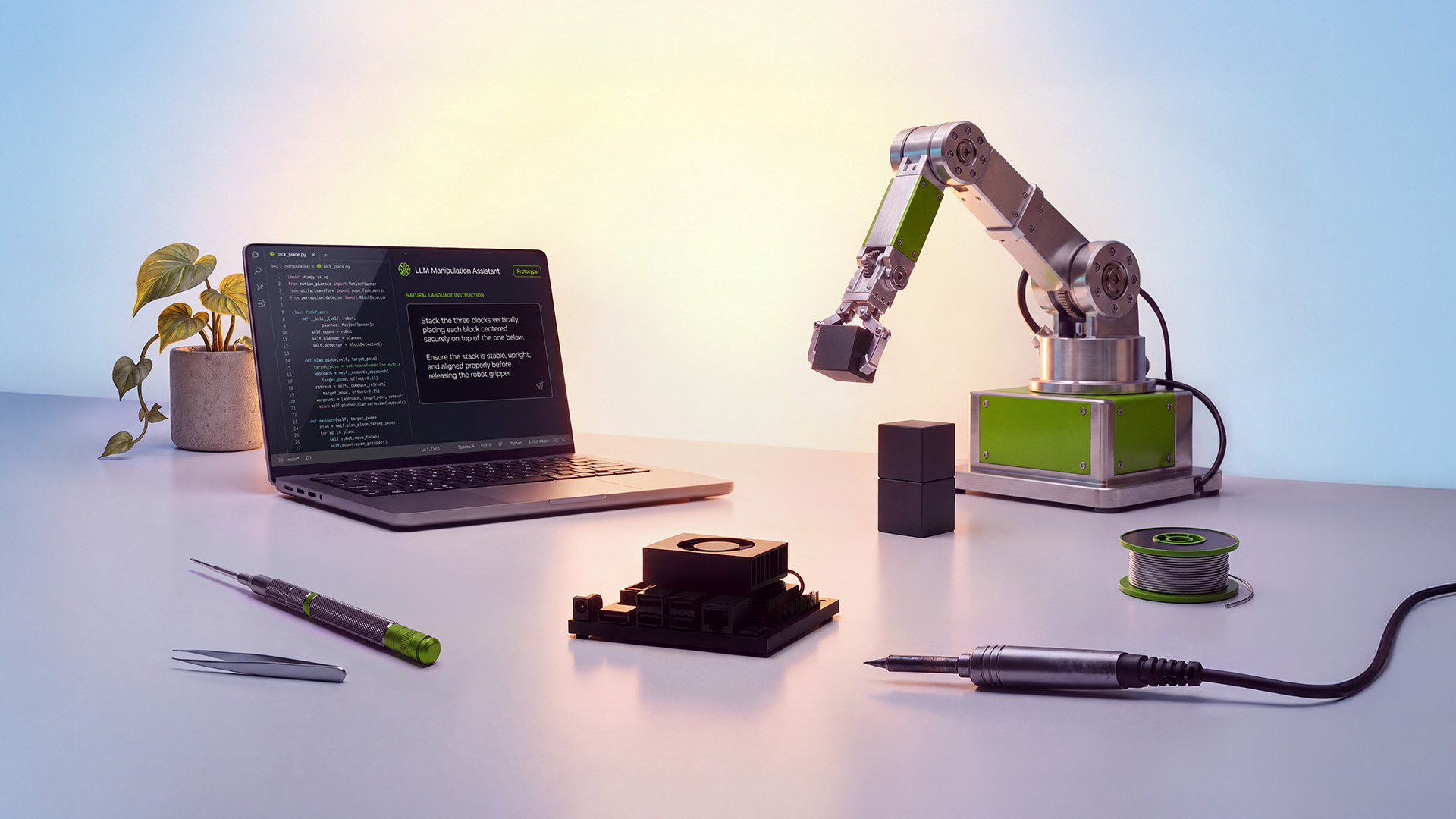
What NVIDIA says it runs
The newsroom post lists memory-efficient edge models: NVIDIA Cosmos, NVIDIA Nemotron, Gemma 4, and Qwen 3, plus Jetson agent skills. Early names: Cognex, Doosan Bobcat, and Matic. Wing, Alphabet’s drone-delivery unit, is evaluating the board for perception on its fleet after using Orin Nano Super.
Deepu Talla, vice president of robotics and edge AI, in the release:
“Today’s small and medium frontier models have reached the accuracy of last year’s largest frontier models, unlocking real-time intelligence for edge devices.”
AI Business, covering a media briefing, quotes Talla calling robotics a three-computer problem: train, test/eval, then the robot brain. He said Nemotron 3.5 Lightning can run around 115 tokens per second on Jetson. Navneet Dalal, Matic’s cofounder and CEO, said in the NVIDIA release that home robots need on-device language, gesture, mapping, and cleaning, and that Orin Nano 2 is how Matic wants to run those models in a compact platform.
Dinuka Abeywardena, head of perception at Wing, said drone delivery depends on fast understanding of the real world and that Nano 2 is a path to more responsive, energy-efficient aircraft.
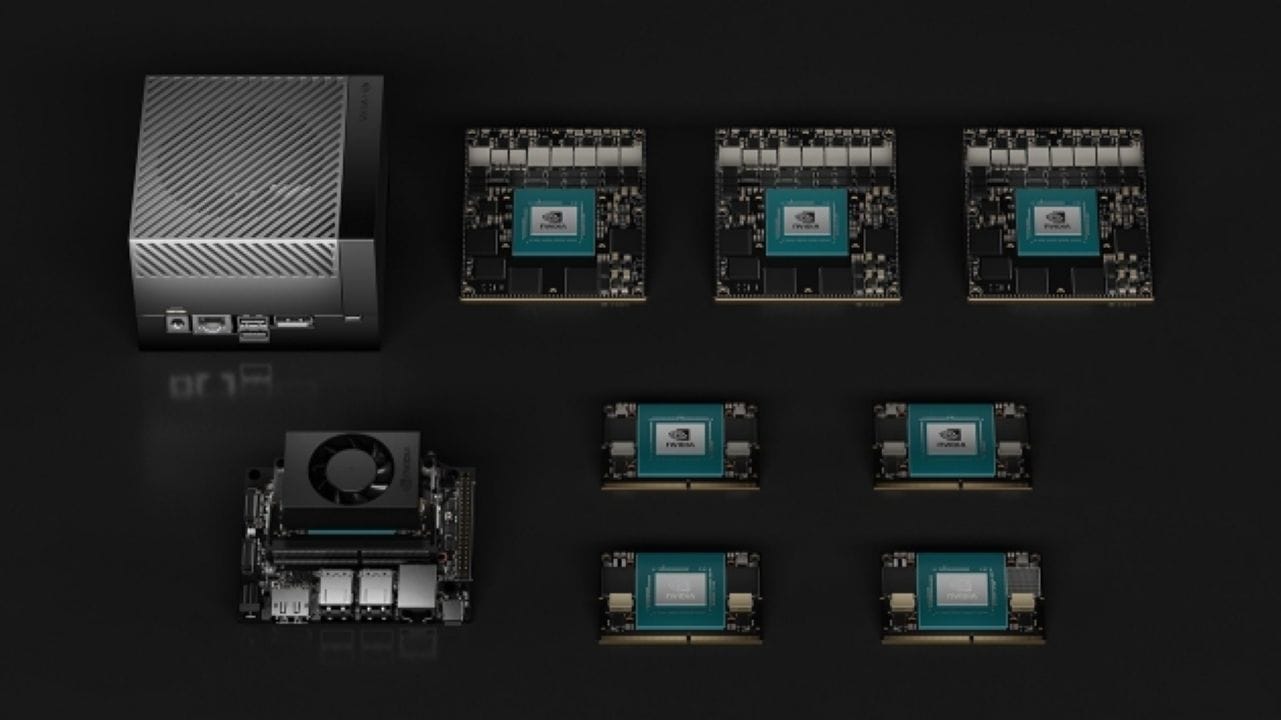
The caveat in the same week’s coverage
AI Business quotes Alexander Harrowell at Omdia: small multimodal transformers are showing up in robots, but what counts as “small” has moved toward 3 to 8 billion parameters. Looking at Nano 2’s specs, he said the limiting factor is memory capacity. 8 GB is the number NVIDIA published. That is the constraint to design against, not a footnote.
Partner pages named in the release include ADLINK, Advantech, Seeed Studio, Aptiv, Connect Tech, and others building carrier boards. None of that changes the 2027 availability window.
A Human’s Take
Doubling TOPS in the same envelope is the kind of boring spec I want on a robot that cannot carry a 300-watt brick. I also want the kit in a cart, not a slide. First half 2027 is a long wait for a board announced this week. If 8 GB is the ceiling, the interesting work is which distilled VLMs actually close a loop at 15 watts, not which logo is on the carrier.