R2S-Eval Ranks Robot Policies by Watching the Whole Rollout, Not Just Success
R2S-Eval, posted 3 September (arXiv:2609.03276), is a ranking pipeline for vision-language-action policies that tries to stop treating evaluation as “reset the table, count the wins.” Humans watching a robot already grade smoothness, progress, and ugly recoveries. Binary success does not.
The loop: calibrate a simulator to the real cell, roll policies there, ask a vision-language model which of two videos it prefers, then Bradley–Terry those pairwise votes into a ranking.
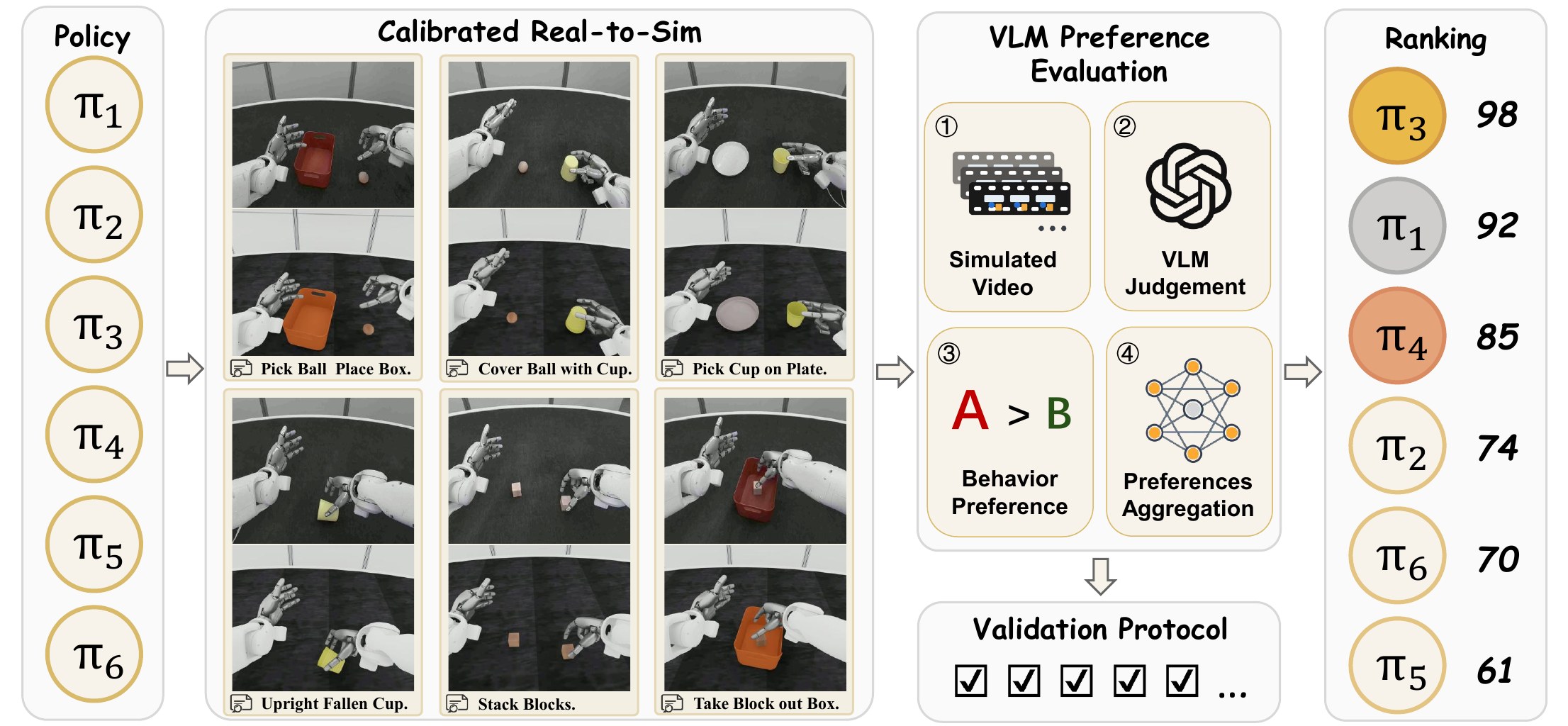
Calibrate the factors that change the policy
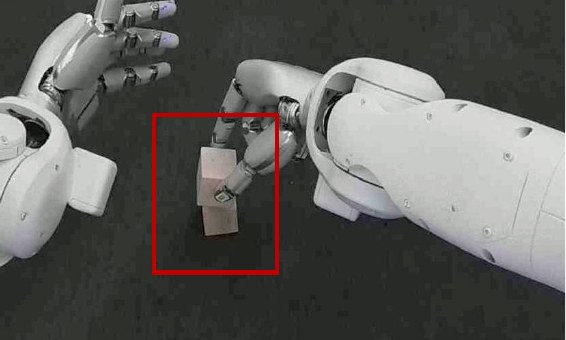
They do not chase photorealism. The simulator (NVIDIA Isaac Sim) is aligned on robot geometry, kinematics, joint limits, control interface, objects, cameras, and initializations. Seven tabletop tasks get side-by-side real vs replay videos: cover ball with cup, pick ball into box, pick ball into cup, cup onto plate, stack blocks, take block out of box, upright a fallen cup.
Six VLA policies sit on the bench: X-VLA, π0.5, π0, NORA-Long, SmolVLA, OpenVLA. Eight VLM judges. Human agreement is 200 sampled pairs per setting, three annotators, majority vote.
On LIBERO (40 tasks), average ground-truth success on the project page is X-VLA 97.5%, π0.5 96.8%, π0 92.8%, NORA-Long 82.2%, SmolVLA 76.2%, OpenVLA 70.7%. Preference rankings average Spearman 0.823 with that success order; preference scores average Pearson 0.924 with success rates; pairwise agreement with humans is 82.9%.
On the seven hardware tasks, success collapses for the smaller models: X-VLA 65.7%, π0.5 63.6%, π0 53.6%, OpenVLA 7.1%, NORA-Long 4.3%, SmolVLA 2.1%. Here the VLM ranking tracks hardware success even tighter (Spearman 0.957, Pearson 0.978, human agreement 91.9%).
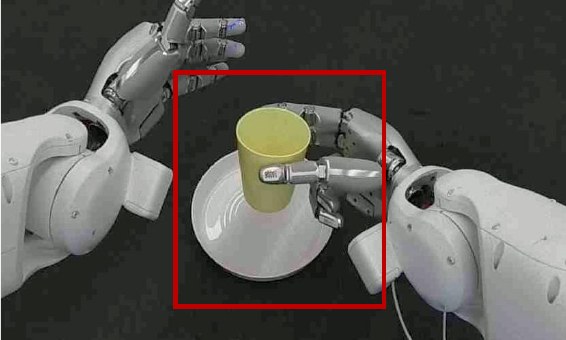
The interesting cases are both-fail and both-succeed pairs. The judge is asked for progress, continuity, control quality, and completion, then a preference. That is how a “success” that rattles the cup can lose to a cleaner one.
A Human’s Take
I want this in every lab that currently reports a single success rate from twenty sweaty resets. Ranking two ugly failures is how you notice a policy that almost had it. I would not fire the human grader yet. I would let the VLM eat the bulk of the pairwise work and keep people on the disagreements. The hardware drop from LIBERO-high-nineties to sixty-percent tabletop is the other story hiding in the same figure.