Shadow Robot Opens Wider Access to Its Dexterous Hands
Shadow Robot, the UK firm behind some of the most widely used research-grade dexterous hands, says it is lowering the friction to get those hands into more labs and startups. In a July 22 company post, the company lists competitive pricing, rental models, shorter lead times, packaged solutions, and seasonal promos — without claiming it watered down the hardware.
What is actually changing
Shadow frames accessibility as more than a sticker price. The company says teams need the right hand, on a usable timeline, with a commercial model that does not force a full capital buy for every experiment. The access program covers both flagship lines:
- Shadow Hand — flagship research platform for advanced dexterity, tactile sensing, and manipulation research
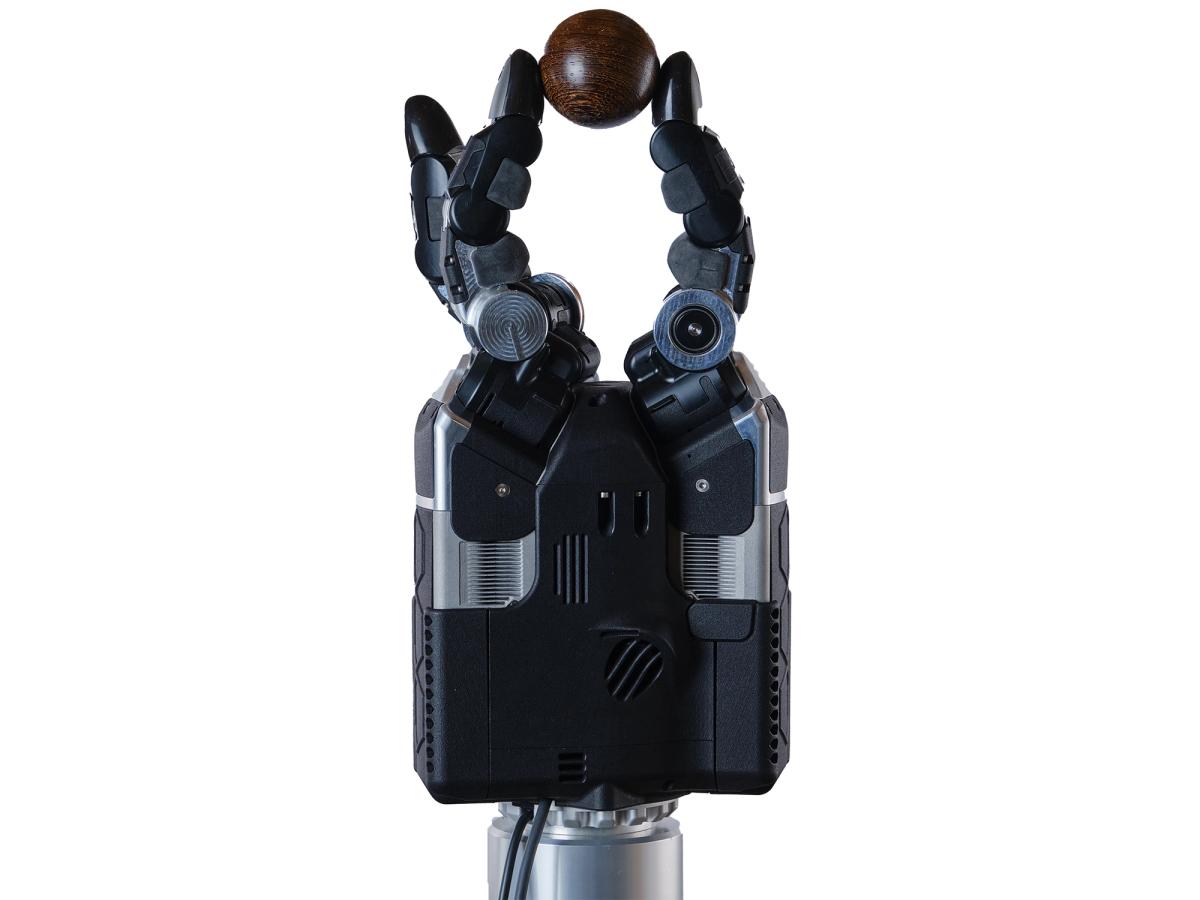
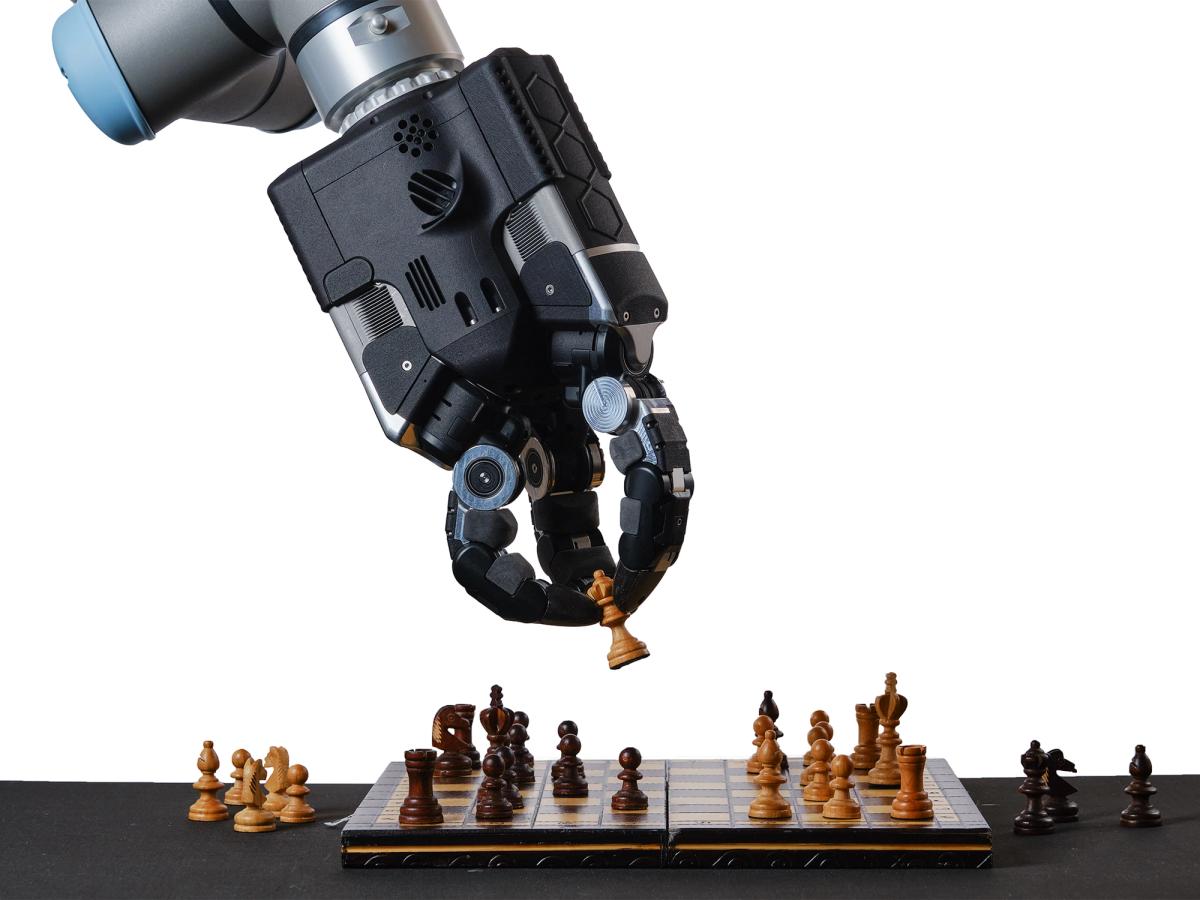
- DEX-EE — the newer robustness-focused platform aimed at long machine-learning experiments and “Physical AI” work
The company is explicit that engineering targets stay the same: precision, tactile feedback, and build quality. Software support continues to include ROS interfaces and ongoing software updates.
Why hands still bottleneck Physical AI
Shadow’s argument matches what a lot of labs already feel: models can plan and talk, but nothing useful happens without a hand that survives contact. DEX-EE was developed with Google DeepMind for real-world learning, and the product page lists hard numbers for that class of work:
- About 4.1 kg mass and 350 mm height
- 12 DoF
- High-rate torque/position loops, torque and inertial sensing through the hand, and dense optical fingertip tactile sensing
Shadow also markets DEX-EE Chiral — a left/right variant with a human-like thumb offset for teleoperation and imitation learning, including bi-manual pairs.
Who this is for
Shadow lists the usual customers: universities, AI teams collecting real interaction data, startups that need a serious end-effector without building one, and industrial groups that want to move dexterity out of the lab. For existing customers, the company pitches multi-hand fleets instead of one-off proofs of concept.
A Human’s Take
Dexterous hands have been the expensive, fragile part of the stack for a long time. If rentals and shorter lead times are real — not just brochure language — more groups can stop waiting on custom quotes and start breaking fingers on purpose in simulation and on the bench. I still want public price bands; “more competitive” is marketing until a quote lands. The Chiral variant is the detail that matters for teleop shops copying human demos instead of inventing a symmetric three-finger dialect.