Tactus AI Unveils Elsie, a Humanoid Lab Assistant for Clinical Benches
Tactus AI introduced Elsie, a two-armed wheeled humanoid lab assistant, at the 2026 Association for Diagnostics & Laboratory Medicine (ADLM) Annual Scientific Meeting & Clinical Lab Expo in Anaheim. The pitch is blunt: keep the analyzers you already own, and put a robot on the bench to run them under your validated SOPs.
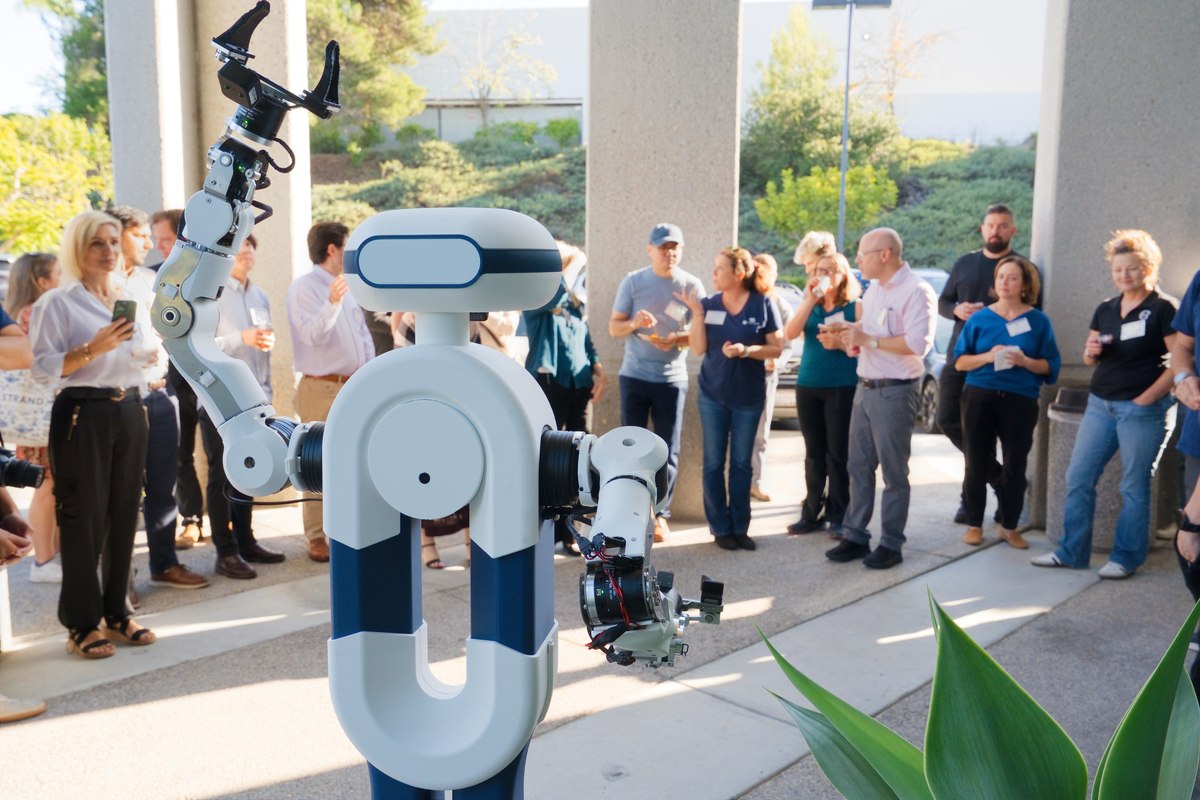
Built for the bench you already have
According to Tactus’s ADLM announcement (via Newswise and LabMedica), Elsie is an autonomous assistant designed to work at human-scale clinical benches with existing instruments, tools, and procedures. The platform combines:
- Touch, force, depth, and machine vision for physical work at the bench
- Lab Orchestration software to plan multi-step protocols across robots, instruments, and staff
- A skill library for reusable operations: monitoring instruments, moving samples and consumables, executing tests to validated SOPs, clearing first-line faults, routine cleaning/calibration, and logging actions
Interesting Engineering and CLP Magazine report the same architecture: humanoid + orchestration + validated skills, with policies stress-tested in a digital twin of the customer’s bench before live samples.
“Labs aren’t short on automation. They’re short on hands,” said Michael Quick, chief commercial officer of Tactus AI, in the company’s release. “Most labs own instruments that could run far more hours than they do. What’s missing is a trained operator to keep them running. That’s what we built Elsie to do, and she does it on the bench using the SOPs a lab already has, instead of asking the lab to rebuild around a robot.”
Pilots, quality gates, and what it is not
Tactus says it is selecting three to five launch laboratories in 2026, starting with U.S. academic medical centers. Each engagement begins with a four-domain readiness review (site, instruments, workflow, data), then a Robot-Readiness Assessment within 30 days covering gaps, a skill roadmap, and pilot scope.
Skills do not go live until the laboratory’s own quality team approves them. LabMedica notes the system supports laboratory operations and is not offered as a diagnostic device. The company also cites enterprise security posture including ISO 27001, SOC 2 Type II (as of July 2026 in that report), and HIPAA/GDPR compliance claims in the release materials.
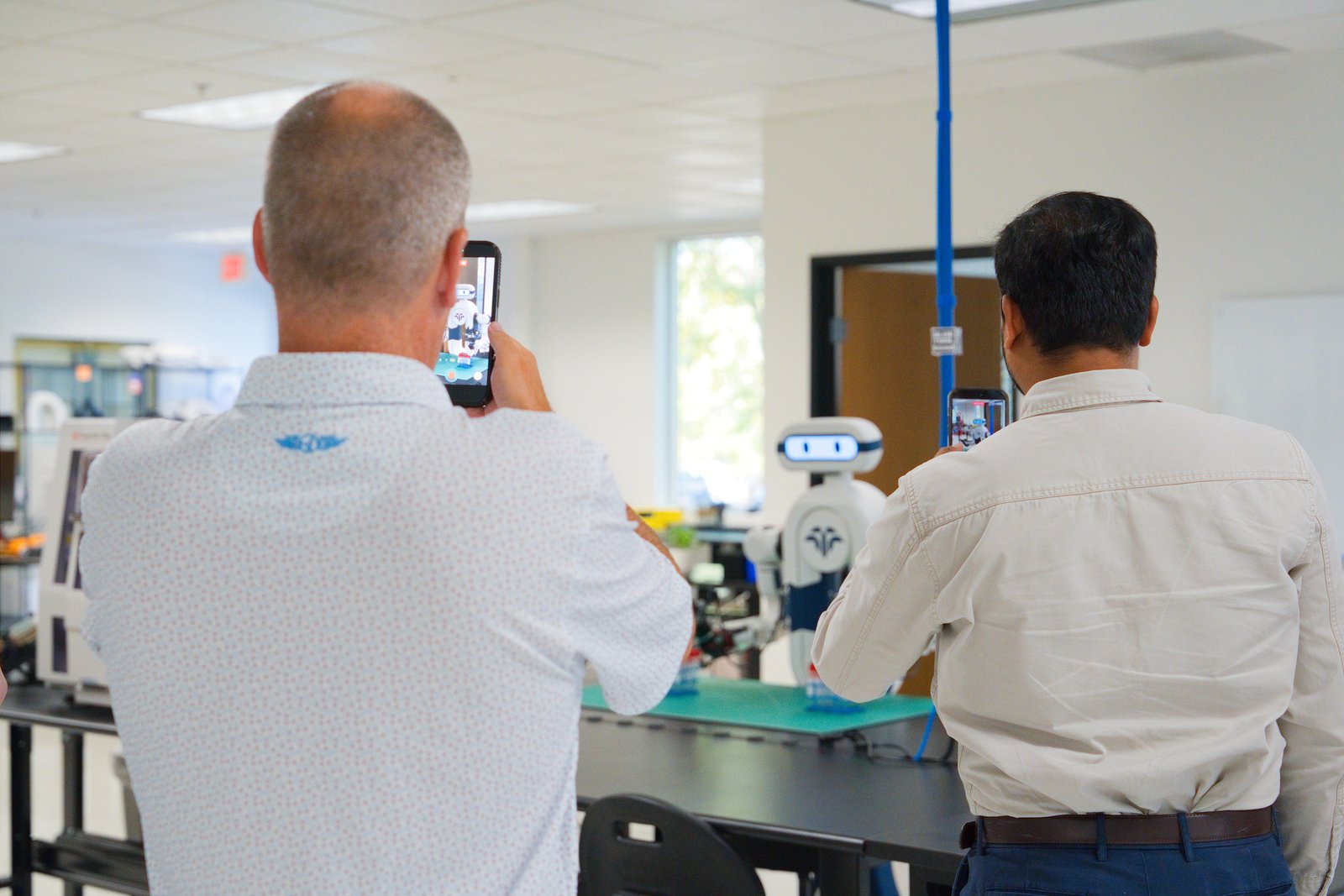
Staffing pressure is the market story Tactus is leaning on. Interesting Engineering cites Bureau of Labor Statistics projections of about 22,600 annual openings for clinical laboratory technologists and technicians through 2034, and the American Society for Clinical Pathology’s 2024 vacancy survey (28% vacancy in anatomic pathology; 7–15% across most other departments).
A Human’s Take
I’m more interested in the SOP-and-QA gate than the two-armed form factor. Clinical labs will not rebuild around a robot the way a greenfield warehouse might. If Elsie only ships skills the lab’s quality team has signed off on, and only on instruments already validated, that is the right failure mode for this environment.
What I want next is pilot metrics: instrument uptime hours recovered, intervention rate per shift, and how long it takes a new skill to clear QA. Until those numbers exist, this is a well-aimed product concept with a real staffing problem behind it, not yet a fleet story.
Sources
- Tactus AI — We Opened Our Doors: Inside Our First Open House
- Newswise — Tactus AI Brings a Humanoid Lab Assistant to the Bench at ADLM 2026
- Interesting Engineering — US startup’s humanoid robot to help clinical labs
- CLP Magazine — Tactus AI Unveils Humanoid Lab Assistant at ADLM 2026
- LabMedica — Tactus AI Unveils Humanoid Assistant for Clinical Laboratory Bench Work