Vulcan’s Sourccey: Open-Source Home Robot for $1,999 and LeRobot Workflows
Vulcan Robotics is putting a price and a parts list on a personal home robot aimed at builders, not demo stages. Sourccey is a wheeled dual-arm platform the company bills as open-source for physical AI development, with public launch timing set for August 2026 and first ships planned for September.
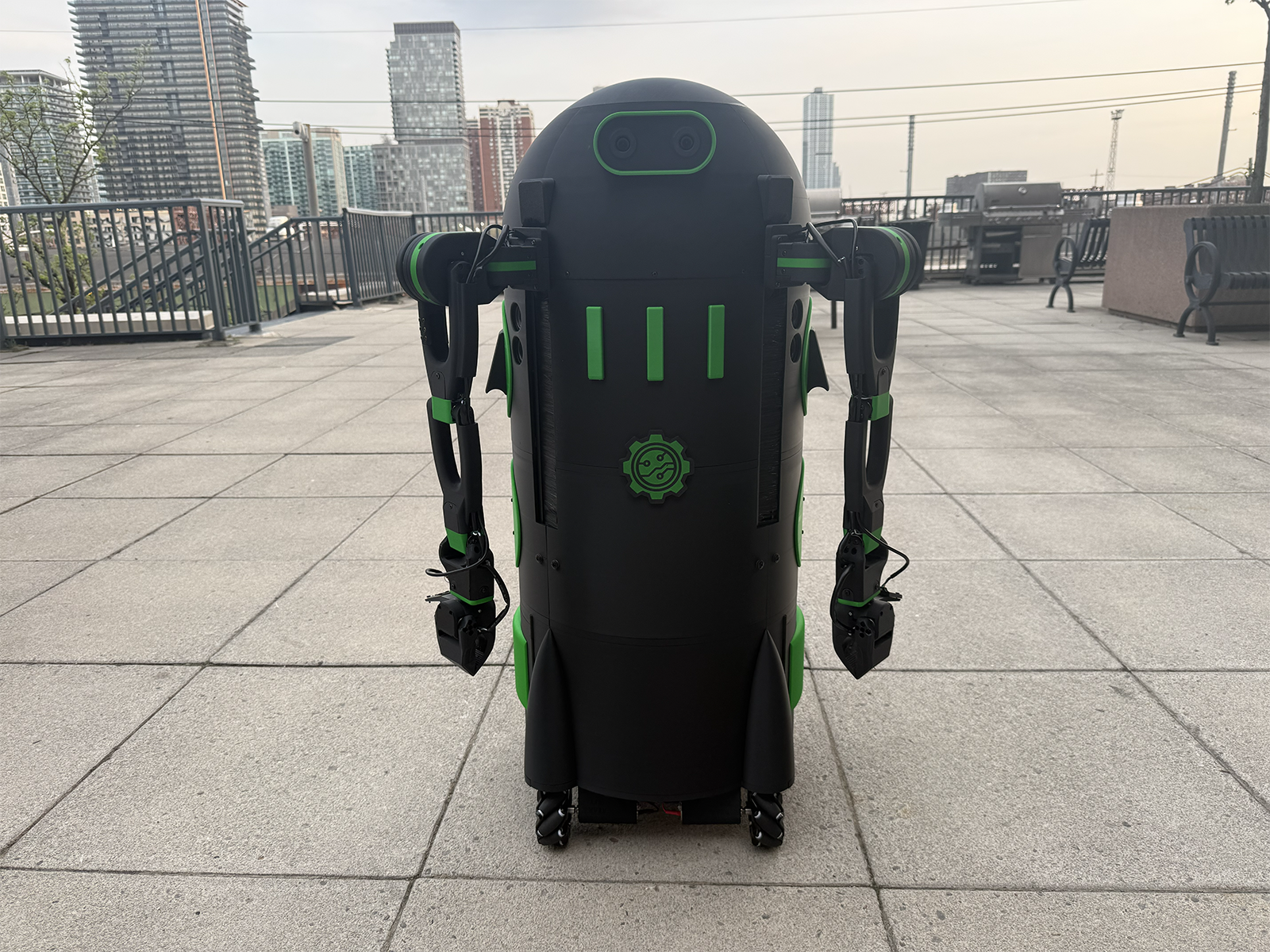
What ships on the spec sheet
The company site and specs page list a concrete stack:
- Height / mass: about 1030 mm tall, 15.88 kg, footprint about 414 mm diameter
- Mobility: four mecanum wheels (omnidirectional), 60 rpm max, open-loop PWM
- Arms: 5 DoF + gripper per arm (six revolute joints), Feetech smart serial servos
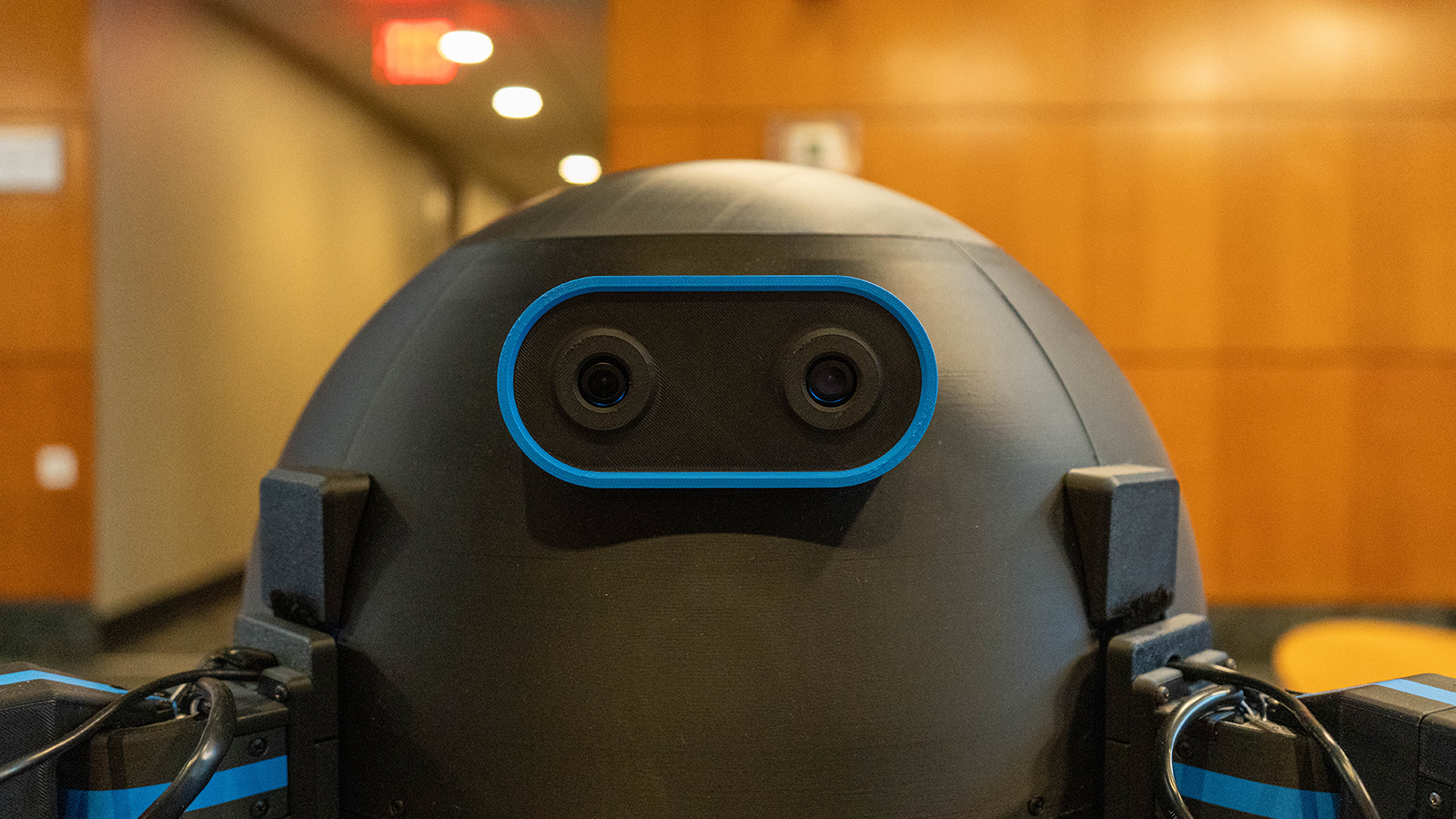
- Compute: Raspberry Pi 5, 7-inch touchscreen, 120° FOV cameras, 2D LiDAR
- Power: 12V 10Ah LiFePO4 battery (company notes up to ~5000 cycles)
Public GitHub repos cover hardware, electrical, desktop software, and a LeRobot-compatible fork (lerobot-vulcan). The roadmap on vulcanrobotics.ai sequences open-source launch in August 2026, initial shipping in September 2026, SLAM tooling later in 2026, autonomous integrations in early 2027, and a 2028 target for full autonomy on core household tasks.
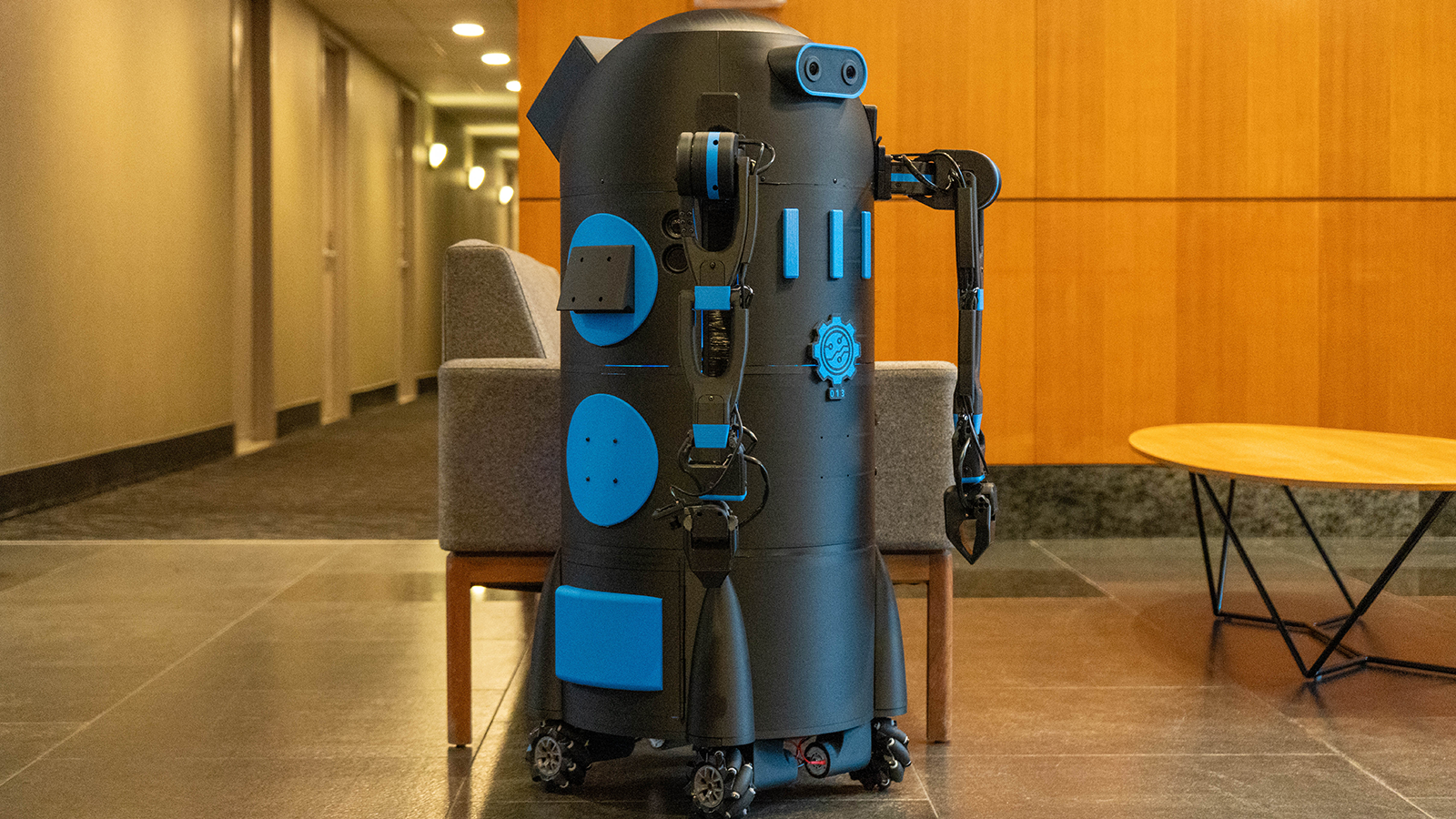
Price and what it is (and is not)
Secondary coverage summarizing the launch (RoboIndex, Aug 6) puts the platform at $1,999, with arm payloads described as low-torque work around 1–3 kg. That framing matches how Vulcan presents Sourccey: a data-collection and teleop platform for laundry, table setting, and cleaning experiments — not a finished housekeeper.
Teleoperation uses dedicated Feetech arm hardware or Oculus Quest IK mapping. Training data is stored as video plus parquet motor logs with JSON metadata. The company lists starter AI micromodels for folding common garments (T-shirts, shorts, jeans/pants, long shirts) under an “XVLA” stack, with heavier training intended to run on a host machine rather than only on-robot.
A Human’s Take
I’m so here for a sub-$2k dual-arm base with public STLs and replaceable servos. That is how you get more hands collecting home data. Just keep the roadmap honest: open CAD and LeRobot hooks are real today; “full autonomy by 2028” is a target, not a receipt. If the first batch ships in September with working teleop and open parts, Sourccey earns its place next to the hobby bipeds — as a home manipulation workbench, not a butler.