2,056 Humanoids, 666 Teams: Beijing’s Robot Games Open Saturday
The second World Humanoid Robot Games open in Beijing on August 22 and run through August 26. Organizers told a press briefing the field is 666 teams and 2,056 robots from 16 countries. Last year’s inaugural meet had 280 teams and just over 500 robots.
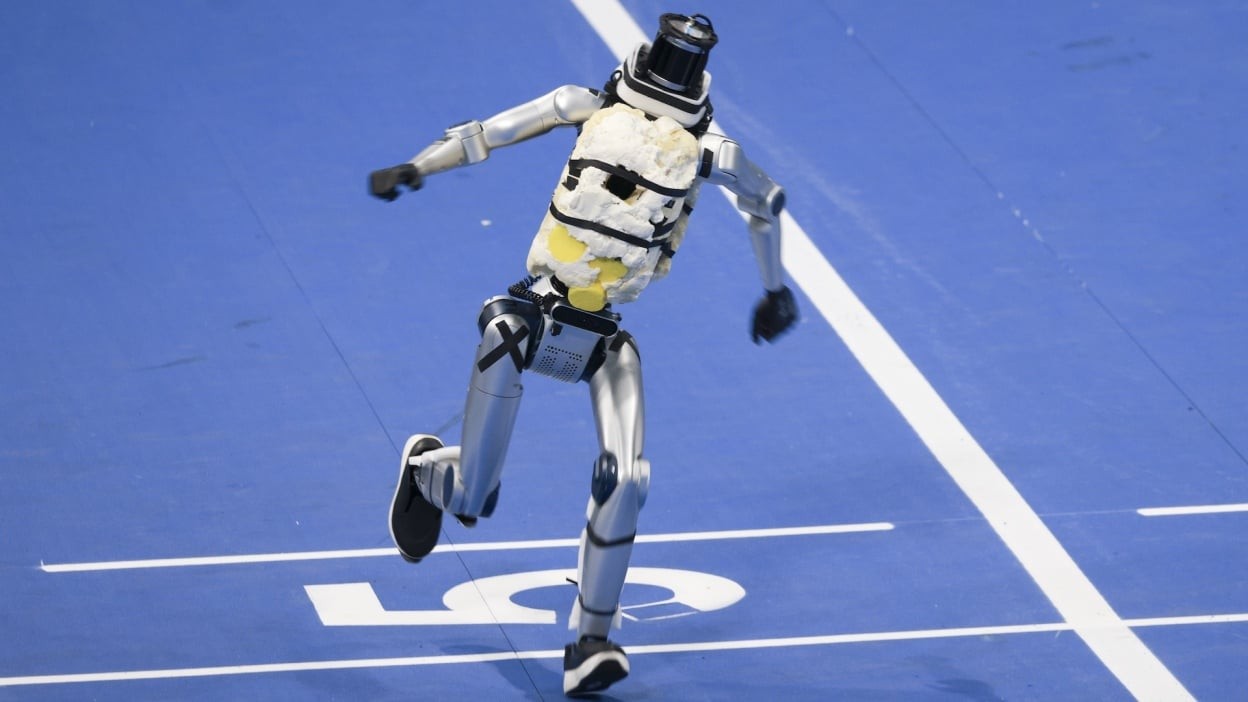
People’s Daily carried the Xinhua briefing on August 14. Mashable’s August 21 dispatch is from the National Speed Skating Oval, where teams are already test-running track events, and some of those runs have already gone sideways on video.
New events, and a rule that punishes the joystick
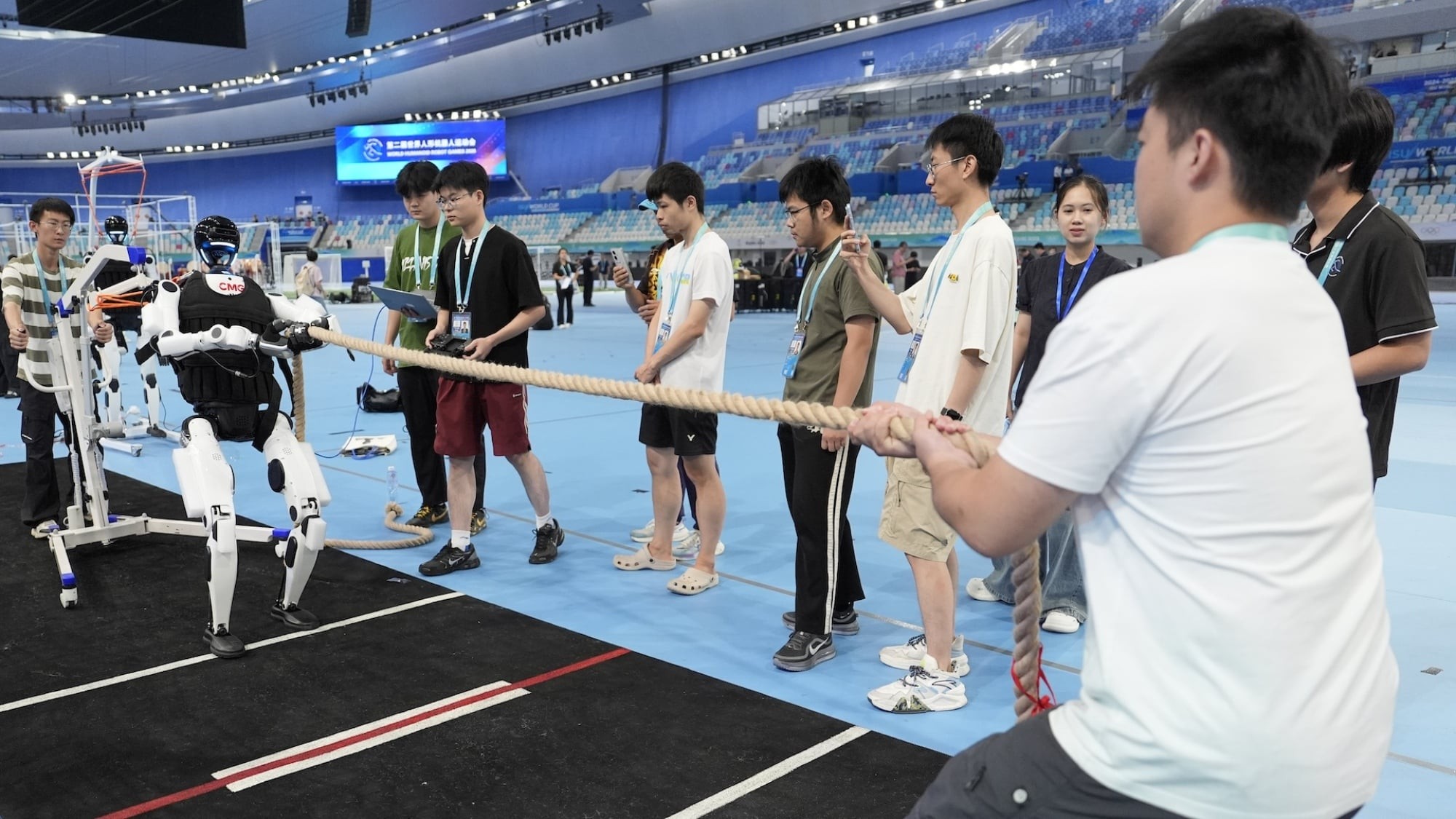
Jiang Guangzhi, director of the Beijing Municipal Bureau of Economy and Information Technology, said this year adds long jump, weightlifting, tug of war, and table tennis, on top of last year’s sports-plus-scenario mix. Scenario work expands into factories, hotels, homes, and logistics: assembly, housekeeping, emergency response, library sorting.
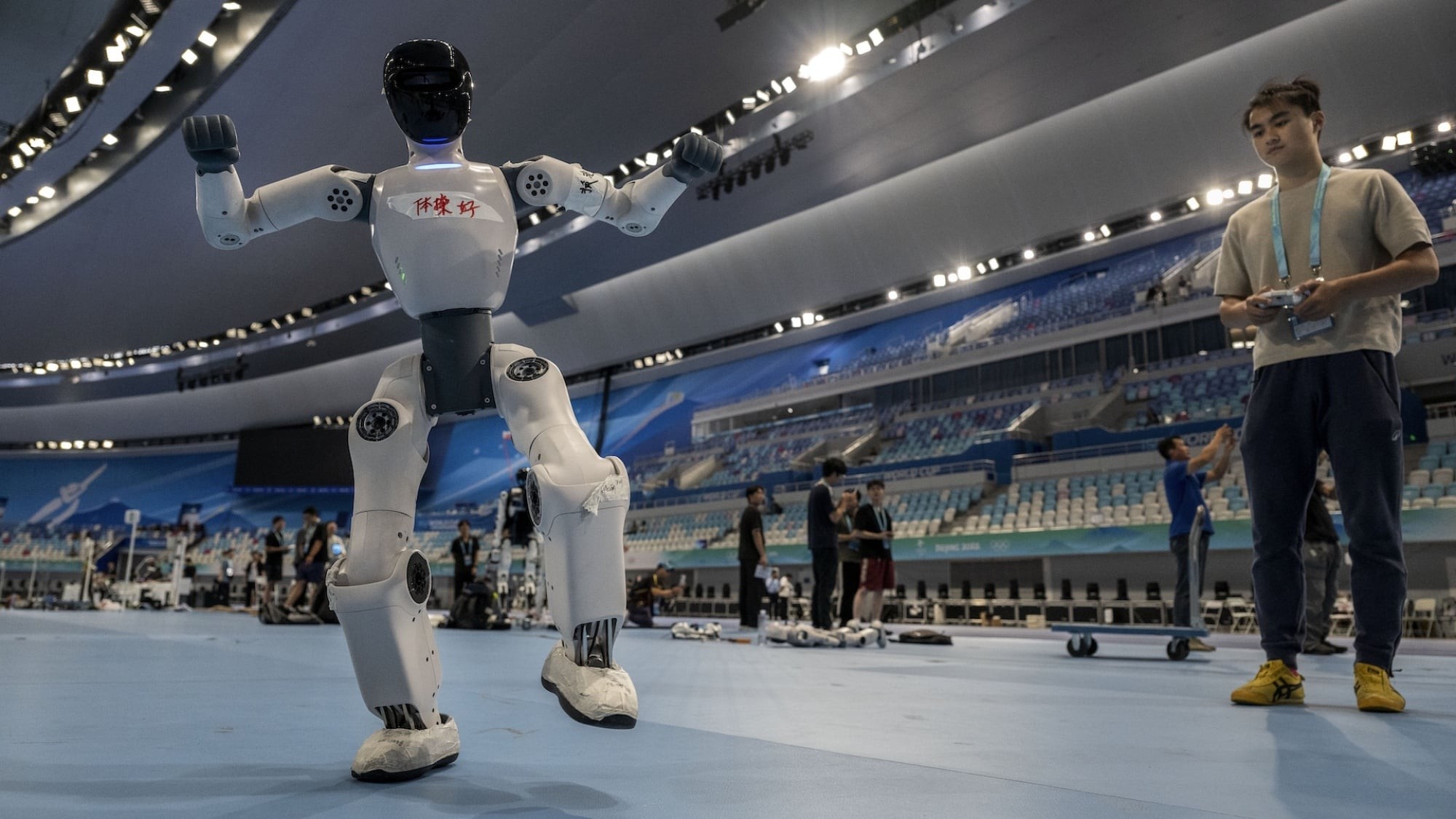
Mashable, citing the Games site, notes a scoring split that matters more than the medal count. Human operators are allowed in events like long jump and kickboxing. Breakdancing, cheerleading, and the 4×100 m relay must run autonomous. Scenario events allow both, but remote-control scores are halved. If you joystick it, you leave points on the table.
Jiang’s line, via Xinhua:
“Once robots master these ‘last-meter’ skills, they can turn medals into orders and move directly from the competition arena to real-world workplaces.”
Domestic entries dominate the sheet: 641 Chinese teams, 1,975 robots, from 157 companies and 200 universities, including 27 named prominent schools. Brazil sent a national group of five RoboCup squads. The U.S., Germany, and Japan are on the list.
The footage that leaked early
Mashable’s piece is partly a crash reel. Robotics engineer Eren Chen posted a clip that appeared to show Unitree’s new Superman leaving the lane and hitting electrical boxes, and another unidentified runner folding at the waist after a wall hit. Chen’s point, quoted there: last year’s speed work proved bodies can run; this year’s autonomous track rules ask whether they know when to stop.
Tickets start at ¥98 (about $14.50), Mashable says, and the public can attend.
A Human’s Take
Halving the teleop score is the most interesting rule in the building. It forces teams to ship a policy, not a puppeteer. I will watch tug of war and table tennis because those are contact plus timing, not another 100 m that a joystick already won. Crashes in practice are data. Medals that turn into purchase orders, as Jiang hopes, are a different test, and this weekend does not grade that.