Xianglu’s 3K Vision Watches the Wok Instead of the Clock
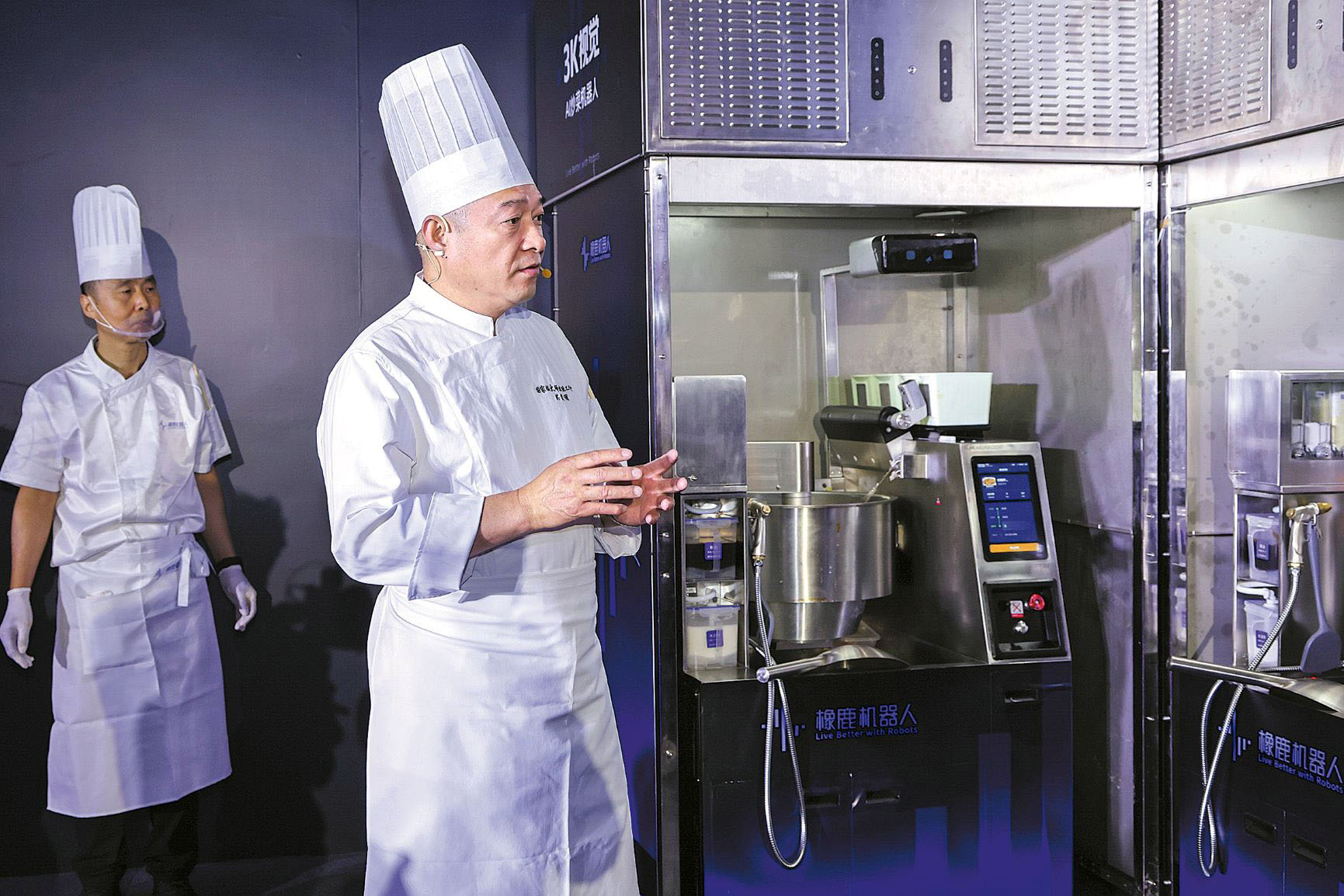
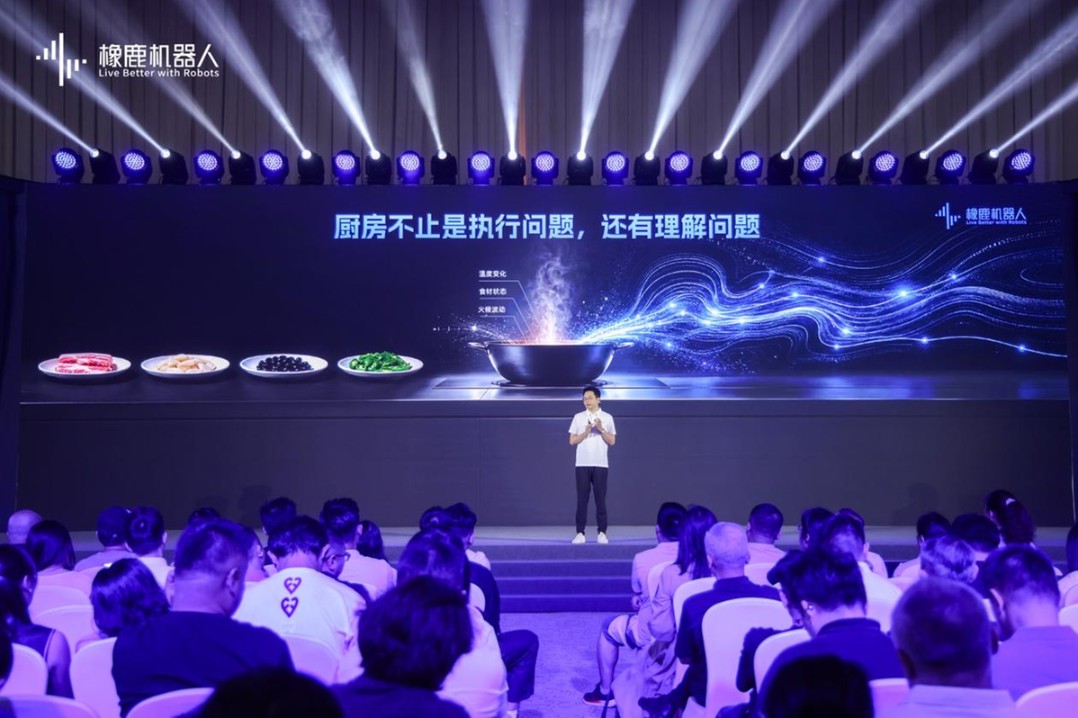
Xianglu Robotics showed a cooking robot at the 2026 World Robot Conference in Beijing that looks into the wok while it cooks. The machine is 3K Vision. China Daily’s 24 August report, and a 28 August follow-up in the Hong Kong edition, describe three 40-megapixel global-shutter industrial cameras grabbing the pan at 30 frames per second, then a cooking model named CookingMuse changing heat, time, stir speed, and liquid seasoning from what it sees.
The pitch is not a humanoid chef. It is a wok station with eyes.
Two live messes, on purpose
China Daily says Xianglu ran two on-site tests: mapo tofu and stir-fried pork with green peppers.
In the tofu run, extra water went into one wok mid-cook. China Daily’s English site says 100 grams. The Hong Kong edition of the same paper, published four days later, describes the pour as 100 milliliters. Both versions say the robot left the timer, kept reducing, and waited for the sauce to look right. Tasters at the booth, according to China Daily, said the two plates were close.
The pork test paired partially frozen meat with thawed meat. The robot changed the cook to compensate. Again, that is Xianglu’s demo, on Xianglu’s floor.
Founder and chairman Yang Jiancheng told China Daily:
“Real kitchens are never standardized laboratories.”
The Hong Kong piece adds another line from Yang: he does not care if chili has been in the wok for exactly five minutes. He cares whether the skins have blistered.
Same article: on well-trained signature dishes the model is over 99 percent “accuracy”; on unfamiliar ingredients it can drop to about 77 percent. Xianglu did not publish the protocol behind those numbers.
What else shipped at the booth
China Daily lists three launches: CookingMuse, 3K Vision, and RobotCook (also written RoboCook in some coverage), a mobile kitchen that stores prepped ingredients, cooks, plates, vents, and self-cleans. The company says RobotCook can run two dishes at once and sit at events or office parks without a fixed restaurant.
Xianglu’s installed base, per China Daily, is about 350 Chinese cities, more than 20 overseas markets, 3,000 brands, and 13,000 stores, with nearly one million digital Chinese recipes. Those figures describe the company’s cooking-robot line, not a 3K Vision fleet.
The Hong Kong story puts China’s catering market near 5.8 trillion yuan last year and automated cooking penetration under 2 percent, citing the National Bureau of Statistics. Yang estimated a RobotCook serving 100 meals a day costs about one kitchen worker’s annual salary, with payback in 12 to 15 months. That is his estimate, not a third-party audit.
A Human’s Take
I like a robot that notices you dumped water in the sauce more than one that recites a recipe. Watching reduction is a real control loop. The 99-to-77 drop on unknown ingredients is the honest part: this is a specialist, not a sous-chef who just arrived. If Xianglu publishes a month of store logs with waste and remake rates, I will care a lot more than I do about a fair booth tasting.